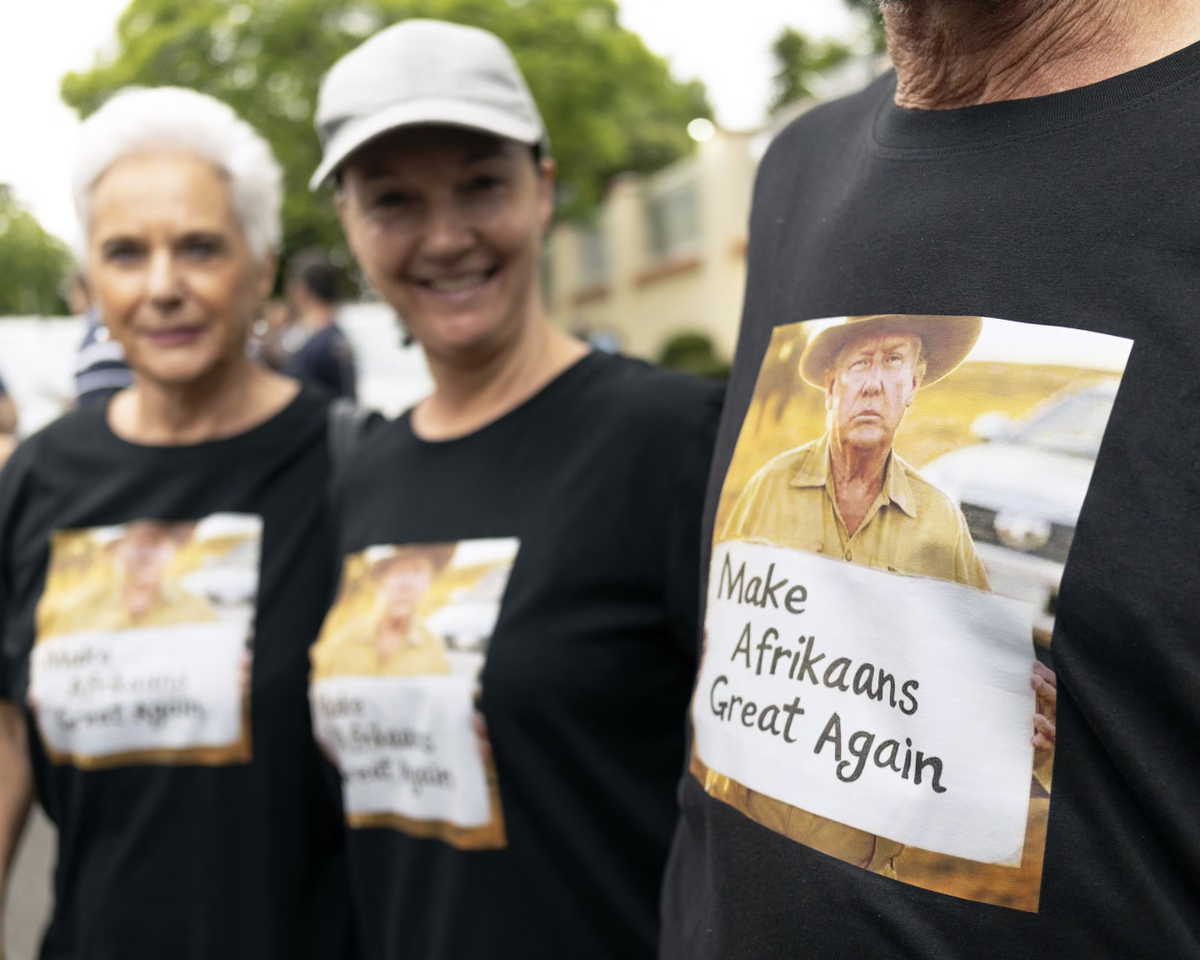
The United States has introduced visa restrictions targeting specific South African nationals, with the Trump administration alleging the South African government is engaging in systemic racial discrimination against the white Afrikaner minority. While the announcement did not identify particular individuals facing these sanctions, the policy aims to bar anyone deemed responsible for enabling race-based policies, land confiscation without compensation, or the incitement of violence.
Secretary of State Marco Rubio stated that South Africa is failing its citizens by pursuing policies focused on racial grievances against Afrikaners, negatively impacting the national economy. This move follows ongoing rhetoric from Donald Trump, who has frequently asserted during his second term that a “white genocide” is occurring within South Africa, a claim that remains unsupported by evidence.
These sanctions represent an escalation in deteriorating diplomatic relations. Over the past year, the U.S. has reduced aid to Pretoria, excluded the nation from this year’s G20 summit in Miami, and launched a dedicated refugee program for South African minorities. These measures stand in contrast to the current administration’s broader efforts to restrict asylum access for individuals fleeing conflict elsewhere.
Leo Brent Bozell III, the U.S. ambassador to South Africa, signaled that this policy is merely the beginning of a series of measures intended to demonstrate American resolve. In response, South African foreign ministry spokesperson Chrispin Phiri rejected the characterization of the nation’s domestic laws. Phiri emphasized that the government is exercising its sovereign right to rectify historical racial injustices, noting that the U.S. policy aligns with misrepresentations spread by fringe groups posing as representatives of minority populations.
Since the end of apartheid in 1994, South African administrations have implemented various measures, including Black economic empowerment programs, to address deep-seated inequality. Despite these efforts, wealth disparity remains profound; a 2023 study in the Review of Political Economy found that white South Africans possess approximately 20 times the wealth of their Black counterparts.
The tension is further fueled by the rhetoric of opposition figures such as Julius Malema, whose use of the apartheid-era chant “Kill the Boer” has been a flashpoint for U.S. conservatives. Although the ruling African National Congress has disavowed the phrase and local courts have ruled it does not constitute hate speech, the chant continues to be cited by critics of the government.
Furthermore, while the U.S. has criticized South Africa’s land policies, there is no evidence of large-scale expropriation. The country enacted legislation last year permitting the seizure of land without compensation only under narrow conditions, such as instances of property abandonment or speculative holding. Despite the administration’s stance, the South African government continues to maintain that its domestic policies are legitimate efforts to resolve centuries of systemic injustice. The report also notes that meanwhile, the Trump administration has been dismantling refugee and asylum programmes for people fleeing war and persecution. The report also notes that the conservative media activist Leo Brent Bozell III, said on X: “As has been made absolutely clear, the time for endless ‘dialogue’ has run its course … This visa restriction policy is only the first step in a series of escalatory measures that will show America’s firm resolve in this matter.”, the US ambassador to South Africa. The report also notes that while keeping white people safe and wealthy, the regime discriminated against and repressed the country’s black majority. The report also notes that since Nelson Mandela took office as South Africa’s first black president in 1994, South African governments have tried to redress the country’s racial inequality, including through Black economic empowerment policies and buying land to redistribute. The report also notes that nonetheless, some white South Africans claim they are now the victims of racial discrimination, allegations that US conservatives have long promoted.