A surge in global crude prices and mounting cost-of-living challenges across Europe have driven several Western European governments to express strong opposition to a potential expansion of the war against Iran. Major European powers, including Britain and Germany, initially refrained from directly condemning the early U.S.-Israeli strikes. However, as the conflict disrupts regional supply lines and triggers energy market instability, European leaders are increasingly demanding diplomatic interventions to end the military confrontation.
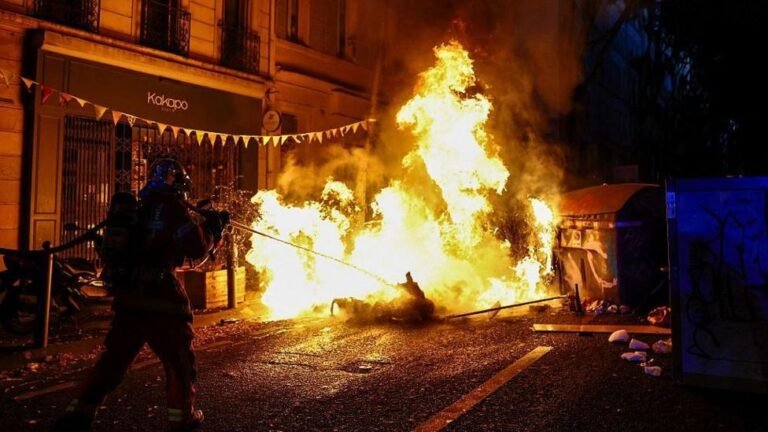
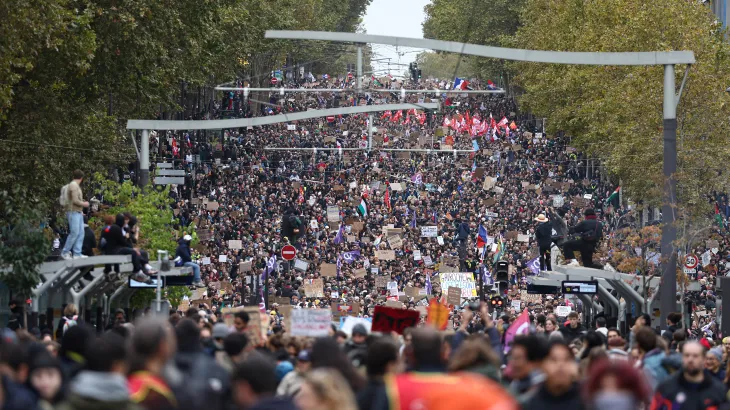
The economic strain has intensified as winter approaches across the continent. Prolonged energy disruptions continue to inflate household bills, providing fresh momentum to public demonstrations against deteriorating living standards in multiple European capitals. Public anxiety over military spending at the expense of social welfare has also surged among younger demographics, who fear the broader geopolitical and financial fallout of an expanded regional conflict.
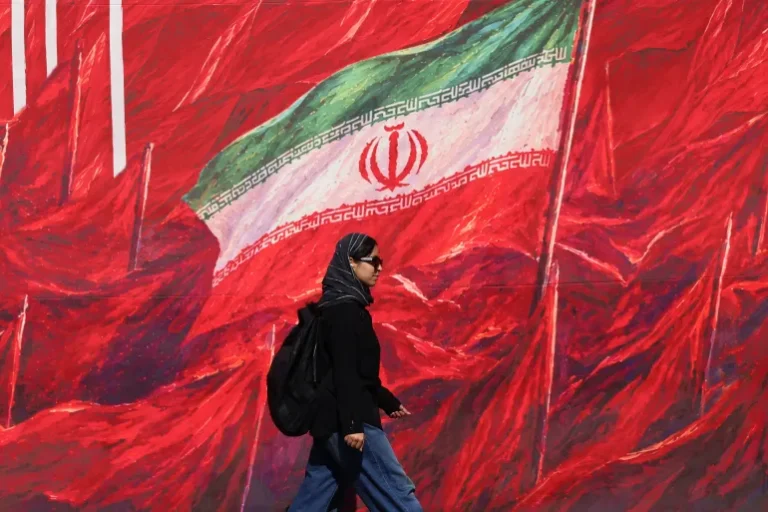
Iran’s Foreign Ministry spokesperson Esmaeil Baghaei highlighted what Tehran views as a noticeable shift in Germany’s official stance regarding the attacks. In a post on X, Baghaei recalled German Chancellor Friedrich Merz’s statement during Israel’s June 2025 military actions, where Merz claimed, “This is the dirty work Israel is doing for all of us.” Baghaei contrasted those earlier remarks with recent warnings from German officials urging restraint and diplomatic de-escalation, invoking a passage from Friedrich Schiller’sThe Maid of Orleansto illustrate how reason is dragged along helplessly during times of crisis.
international analysts note that these statements illustrate a broader recalibration among European policymakers, who are increasingly re-evaluating their alignment with Washington’s military objectives in the Middle East as the United States evaluates options for renewed strikes against Iranian infrastructure. According to after Iran’s Supreme Leader Ali Khamenei was killed in the opening strikes, European Commission President Ursula von der Leyen, There was “renewed hope for the people of Iran”. According to von der Leyen, Europe’s bill for imported fossil fuels had increased by 106 billion euros, while gas prices had risen about 140 percent since late February and diesel prices had doubled.
When the initial joint air operations by the U.S. and Israel commenced on February 28, the leadership of Britain, France, and Germany released a unified statement that focused primarily on criticizing Tehran’s retaliatory strikes across the Middle East. At the time, the leaders asserted: “We condemn Iranian attacks on countries in the region in the strongest terms.” While that initial declaration avoided direct condemnation of the opening U.S.-Israeli strikes, it called for eventual diplomatic negotiations. Nearly eight months into the ongoing conflict, European governments have transitioned to explicitly warning against further military action.
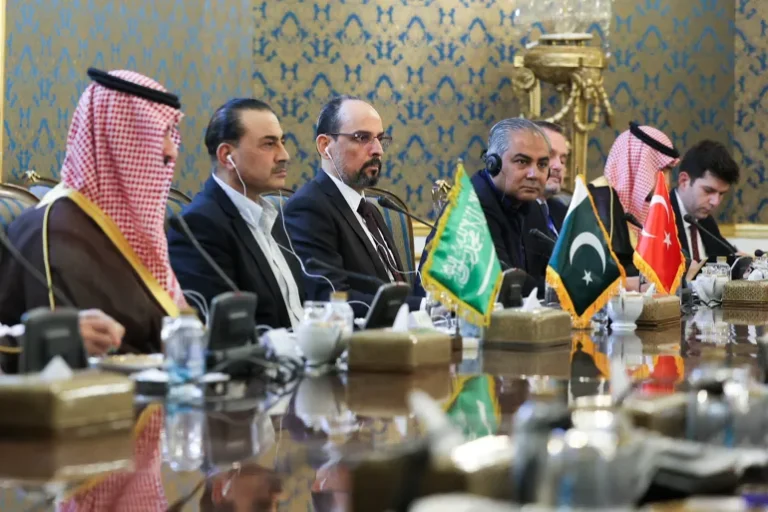
To address the deepening crisis, the foreign ministers of Britain, France, Germany, and Italy met with their counterparts from Türkiye, Saudi Arabia, Pakistan, and Egypt in Istanbul. The joint discussion focused on the stability of the Strait of Hormuz and broader regional security. French Foreign Minister Jean-Noel Barrot warned that further military escalation between Iran and the U.S. “would create nothing but losers and would undoubtedly have very serious consequences for hydrocarbon prices,” adding that the group of eight nations must urge all parties to exercise maximum restraint. “And so the first thing this group of eight countries … will do is call on both sides to exercise the utmost restraint, because we cannot afford another escalation in the region,” he added.
In contrast to the evolving positions of other European nations, Spanish Prime Minister Pedro Sanchez has consistently maintained a firm stance against the U.S.-Israeli military initiative. Speaking at a recent European summit, Sanchez reiterated his opposition, labeling the war as “illegal, unjust and unjustified” while linking the military action directly to Europe’s mounting economic burdens. According to but by October 16, the costs to Europe had become central to her message. “Households and industry are paying the price for a war far beyond our borders,” she, After an EU summit.
The dispute has also revived long-standing diplomatic tension over Iran’s nuclear development. European powers were key signatories to the historic 2015 nuclear agreement that limited Tehran’s nuclear activities in exchange for international sanctions relief, before U.S. President Donald Trump unilaterally withdrew the United States from the pact in 2018 during his first term. The current escalation has exposed severe internal European divisions regarding military support, base accessibility, and airspace authorization. According to western countries have opposed Iran’s nuclear programme, which Tehran, Is for civilian purposes only.
While Western European nations did not directly participate in the initial bombardments, their policies on operational support differed significantly. Germany stated early in the conflict that it would not restrict U.S. military access to key strategic facilities on its soil, including the Ramstein airbase. Britain initially withheld approval for opening attacks, but later permitted U.S. forces to use British bases for targeted, limited defensive strikes against Iranian facilities involved in regional attacks.
France permitted U.S. support aircraft to utilize its facilities at Istres strictly for defending regional allies rather than launching direct offensives against Iran, and later blocked a military transport flight carrying weapons intended for Israel. Meanwhile, Spain enforced strict bans on its military assets being used for the campaign. The varying restrictions drew sharp criticism from Donald Trump, who publicly disparaged Spain as “terrible,” threatened retaliatory trade measures, and stated that Washington wanted “nothing to do” with Madrid. These diplomatic disputes have highlighted a widening debate over whether treaty obligations obligate European nations to facilitate conflicts they did not initiate.
The economic fallout from the war extends beyond oil markets. Energy analysts point out that crude benchmark prices reached $126.41 per barrel by late April and continue to remain significantly above $100 per barrel with little expectation of an immediate decrease. Mark Hilborne, a senior lecturer at King’s College London’s School of Security Studies, emphasized that rising fuel costs directly impact transport, heat, and basic goods right as European populations enter the colder months. Before the war began, brent crude settled at $72.48 a barrel on February 27. With no sign of falling any time soon, it reached $126.41 at the end of April and remains well above $100 a barrel.
In addition to energy markets, the Persian Gulf serves as a primary international trade hub for nitrogen-based agricultural inputs. Disruptions to shipping channels around the Strait of Hormuz have triggered a rapid 70 percent increase in global urea prices, creating severe pressure on food production and fertilizer supply chains across Europe. Analysts emphasize that the war in Iran has generated a direct, measurable, and exceptionally swift upward spike in European inflation rates.
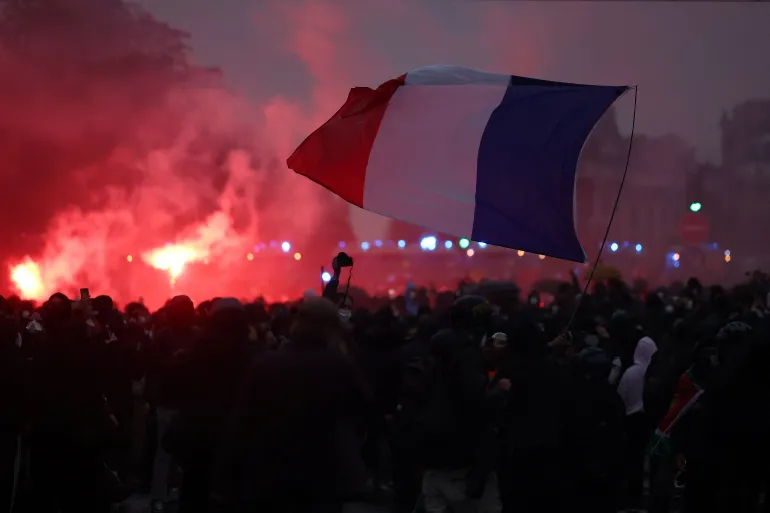
Sociologists and political scientists observing the societal impacts note that youth-led anti-war protests across European cities reflect growing frustration over national priorities. Protesters are increasingly vocal against expanding defense budgets at the expense of essential social welfare programs, expressing deep concerns over their future security, climate change, and the threat of wider global military draft involvement.