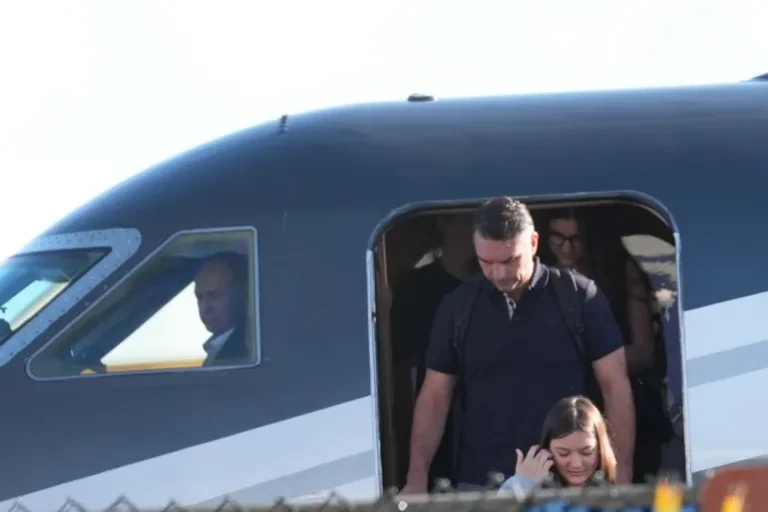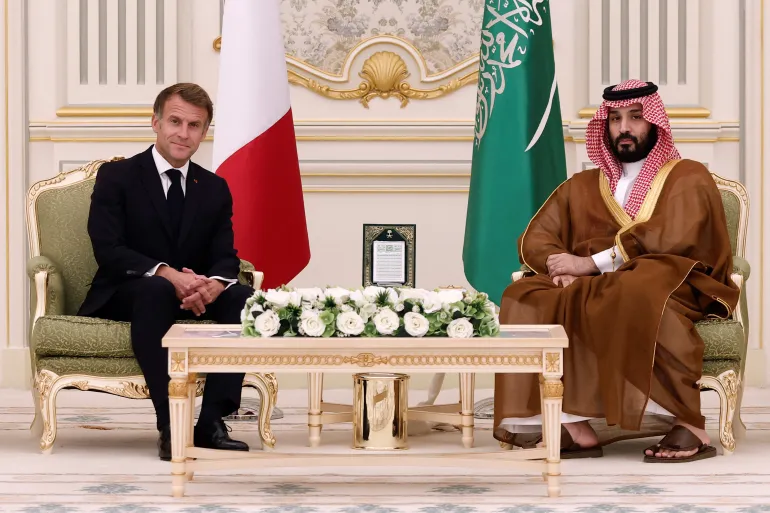
French President Emmanuel Macron traveled to Riyadh for an unannounced solidarity visit, becoming the first Western leader to visit Saudi Arabia since the Houthi movement intensified its recent military campaign. The surprise trip coincides with a new agreement for the kingdom to supply France with extra diesel for as many months as necessary, according to officials at the Elysee Palace.
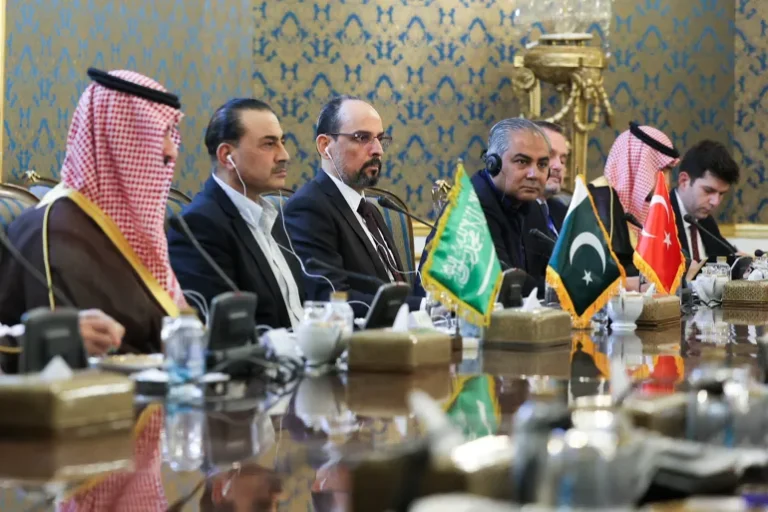
During his meeting with Crown Prince Mohammed bin Salman, the two leaders discussed regional and international developments, focusing on coordination to bolster security and stability. This diplomatic engagement aims to demonstrate support for the Saudi kingdom against Houthi attacks while simultaneously diversifying French hydrocarbon supplies.
The visit comes as France faces domestic pressure regarding the cost of living, which has been exacerbated by the US-Iran conflict and the disruption of energy transit through the Strait of Hormuz. Addressing criticism of his regional tour, Macron defended his actions to reporters in Doha, stating that he is fulfilling his role and working to ease tensions linked to rising fuel prices, which have triggered social unrest back home. “There must be no sign of febrility,” he said. “I am fulfilling my role. Fuelled by the cost of living, especially as the US-Iran war and Iran’s blockade of the Strait of Hormuz have kept energy prices high, the diplomatic push follows days of rioting in France.
The agreement with Saudi Arabia significantly bolsters French energy security. Earlier this week, the French government confirmed that the United Arab Emirates and Bahrain had each committed to providing 100,000 tonnes of diesel per month. Including the new Saudi deliveries, France has now secured 295,000 tonnes of monthly supply, covering approximately 10 percent of its total consumption.
In addition to energy diplomacy, France is deploying military assets to protect the Red Sea port of Yanbu, which has been a target of the Iran-backed Houthis. The United Kingdom has also joined this effort, announcing the deployment of fighter jets to assist in the defense of the kingdom. Both nations maintain that their military support is strictly defensive in nature.
Analysts observe that these moves serve to safeguard critical oil exports essential to European markets while strengthening Gulf alliances as the United States remains hesitant to provide direct military intervention. However, experts note that such involvement carries risks, potentially entangling European powers deeper into the ongoing Saudi-Houthi conflict.