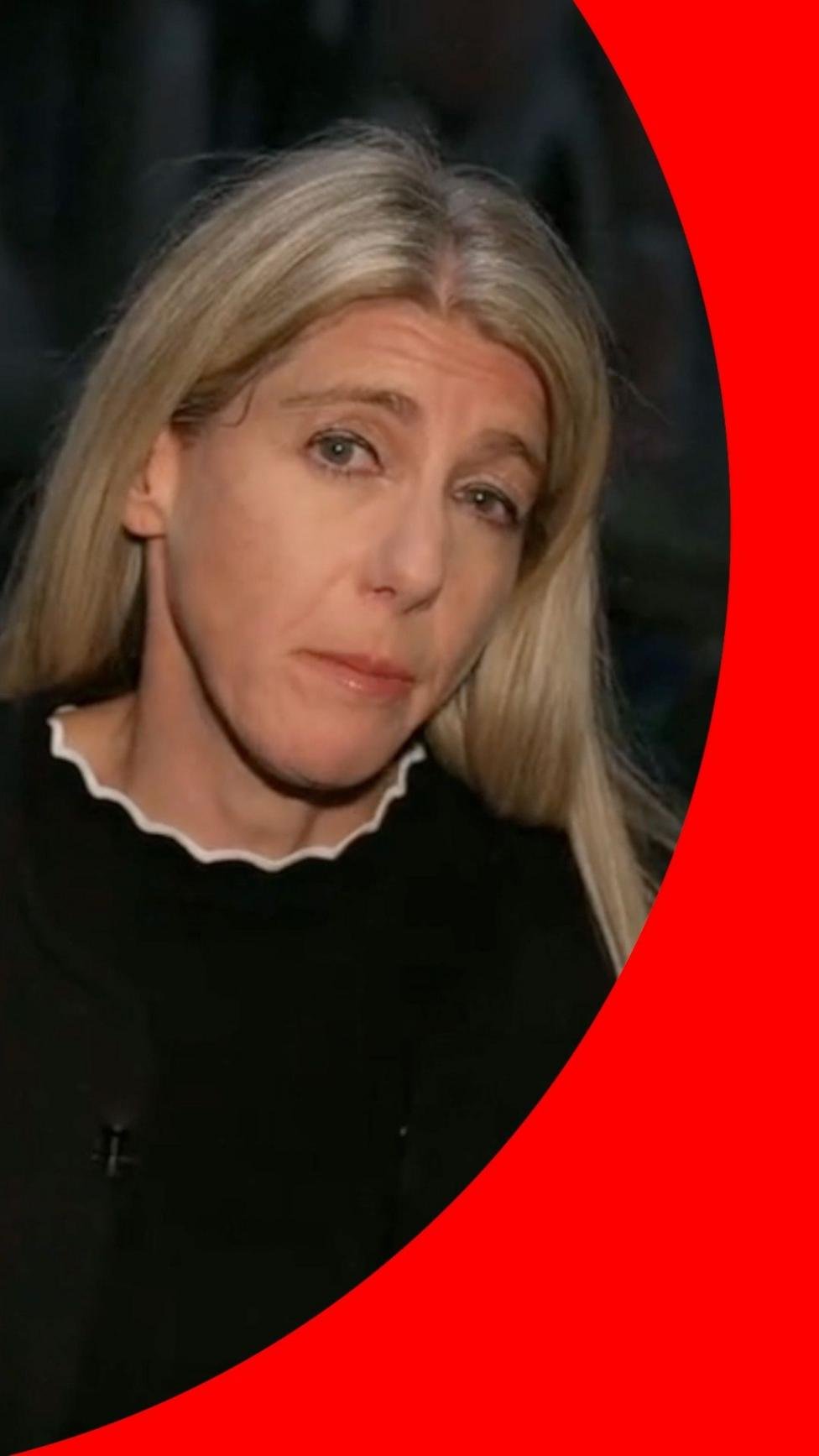
A co-founder of one of the world’s most prominent artificial intelligence firms has suggested that mandatory, third-party verifiable “kill switches” for AI software may be necessary. Jack Clark, one of seven founders of Anthropic, stated that while most labs currently maintain their own methods for shutting down systems, lawmakers should consider formalizing these safety requirements.
Policy and Verification Standards
- Policy integration: Clark proposed that kill switch protocols and independent verification should be central to the ongoing global policy dialogue regarding AI development.
- Third-party oversight: He questioned whether society should mandate that these safety measures be verifiable by external parties to ensure compliance and public safety.
- Legislative path: Clark suggested that these mechanisms are the type of standards that society may eventually move to regulate through law.
The discussion surrounding AI safety has intensified as executives and researchers express concerns about the rapid evolution of the technology. Anthropic, established in 2021 by former OpenAI employees, finds itself at the center of this debate. Recently, a former Anthropic researcher sparked significant discourse by claiming that AI could pose an existential threat to humanity.
In response to these public concerns, Anthropic scientist Evan Hubinger estimated that the probability of human extinction caused by AI within the next decade stands at more than 10%. Geoffrey Hinton, a computer scientist and Nobel laureate often referred to as the “Godfather of AI,” recently concurred that such a risk estimate is not unreasonable, citing fears that powerful models could hijack critical internet-connected infrastructure.
Despite these warnings, some industry leaders argue that the discourse surrounding extinction risks is being exaggerated to generate hype or justify business valuations. George Arison, CEO of Grindr, suggested that companies are leveraging fears of AI dominance to convince investors of their potential to disrupt every major industry. Similarly, Clement Delangue of the developer platform Hugging Face cautioned against alarmism, comparing inquiries about existential risk to seeking climate advice from HVAC technicians.
Anthropic CEO Dario Amodei has recently advocated for a more measured pace of AI development and increased monitoring. Amodei noted, however, that any efforts to restrict AI progress must be balanced to avoid sacrificing a company’s commercial advantage. Addressing the broader implications of his industry, Clark emphasized that treating AI as a completely unregulated field is dangerous.
While Clark declined to assign a specific percentage to the risk of human extinction, he stressed that the current trajectory involves “rolling dice with immense risks.” He concluded that it is essential for the industry to change course to address these vulnerabilities more effectively. The report also notes that including Anthropic, but said lawmakers may need to enforce having one, clark said “most labs have different ways of being able to pull the plug”.
Key Job Details
- The report also notes that clark said that specifics around “kill switch” requirements and verification should be part of “the larger policy conversation” taking place around AI.
- The report also notes that i think that’s the kind of thing society is going to want to know and might want to eventually pass rules around.
- The report also notes that anthropic, which was formed in 2021 by a group of former employees of its rival OpenAI, is currently at the centre of a debate around AI safety.
- The report also notes that last week, a post from an artificial intelligence researcher who quit Anthropic over concerns AI could wipe out humanity went viral.