
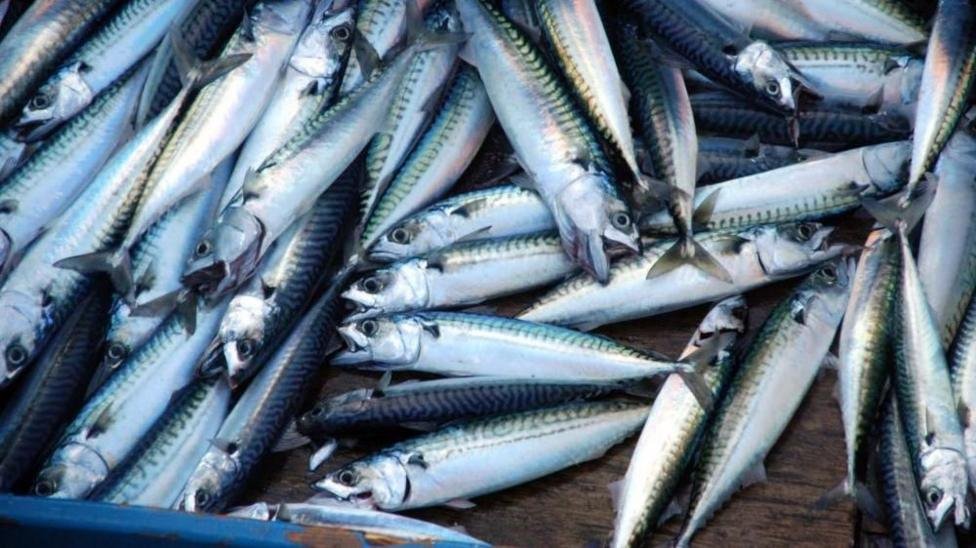
A growing trend of retailers substituting traditional Atlantic mackerel with a more affordable and less nutritious fish has triggered warnings regarding “skimpflation.” Critics argue that by quietly swapping ingredients in everyday staples, manufacturers are effectively reducing product quality while often maintaining prices, leaving shoppers with less nutritional value than expected.
The central point of contention is jack mackerel, a species from the Carangidae family that is entirely distinct from the Scombridae-family fish typically associated with tinned mackerel. While companies like Princes—a major supplier to UK supermarkets—and Lidl have introduced the alternative, the switch has prompted significant consumer frustration. Complaints focus on the noticeable differences in taste and texture, alongside concerns that the labeling of the new product fails to clearly highlight the change for unsuspecting buyers.
Nutritionally, the substitution is stark. Jack mackerel contains approximately 50% of the omega-3 fatty acids and about 33% of the vitamin B12 levels found in traditional Atlantic mackerel. Despite these differences, companies defend the transition as a necessary move toward sustainability. Princes, which announced a full transition to jack mackerel for its tinned range last October, claims the species aligns with Marine Stewardship Council (MSC) sustainability standards and notes that the product was subjected to extensive testing to ensure consumer appeal, describing it as having a “meater texture” and a “milder flavor.”
The impetus for this shift lies in the critical decline of Atlantic mackerel stocks. Years of overfishing—exacerbated by a long-running quota dispute dubbed the “mackerel war” between the UK, EU, Iceland, Norway, Greenland, and the Faroe Islands—have pushed the population to a “breaking point.” Over the past 15 years, catch levels in the north-east Atlantic have exceeded scientific advice by an average of 39%. Consequently, the International Council for the Exploration of the Sea (Ices) reports that stocks have plummeted by nearly 75% over the last decade. Looking ahead to 2026, the body has recommended a drastic 70% reduction in total catch to provide the population with a chance to recover.
Retailers are navigating a complex regulatory and environmental landscape. As Atlantic mackerel loses its MSC certification, it no longer meets the stringent sustainability policies upheld by many major chains. Waitrose made headlines in February by suspending sales of all fresh, chilled, and frozen mackerel, with plans to phase out tinned products as current stock depletes. This decision was lauded by the Marine Conservation Society as a bold and necessary step.
Regulatory changes have also played a role in the availability of these products. Until December 2025, UK law restricted the marketing of Carangidae species to names like “scad,” “trevally,” or “horse mackerel.” However, following the launch of the new product, the Department for Environment, Food and Rural Affairs updated its guidelines to permit the “jack mackerel” label. Market intelligence suggests that wholesale Chilean jack mackerel is significantly cheaper, costing about one-third as much as its Atlantic counterpart.
Industry groups remain wary of the long-term impacts. Hannah Fennell of the Scottish Pelagic Fishermen’s Association cautioned that the move risks penalizing the domestic industry while favoring a less nutritious species transported from the other side of the world, which carries a higher carbon footprint. She emphasized that consumers deserve absolute clarity about what they are purchasing. As the trend spreads internationally, with supermarkets in countries like the Netherlands and Sweden also adopting similar substitutions, the debate over food quality, transparency, and the environmental cost of our staple goods continues to intensify. The report also notes that lidl GB said it was “committed to sourcing fish and seafood from responsibly managed fisheries”. The report also notes that said: “While manufacturers face genuine supply chain pressures and sustainability challenges, they have a responsibility to shoppers to be completely upfront when they change a product’s recipe. The report also notes that but it can feel particularly sneaky as shoppers may not realise a product has changed until they get it home and eat it, she added: “Skimpflation – quietly changing ingredients to cut costs – has become increasingly common. The report also notes that the countries have repeatedly failed to agree a unified system for sharing stock and setting catch limits in line with scientific advice. The report also notes that the intergovernmental body has advised slashing the quantity of north-east Atlantic mackerel caught in 2026 by roughly 70% to allow the stock a chance to recover.