NATO Secretary-General Mark Rutte confirmed Monday that the 32-nation alliance will intensify support for Ukraine and enhance its defensive posture along the eastern border with Russia. This commitment follows recent Russian drone strikes that hit near the Ukrainian-Polish border, signaling a marked increase in tensions in the region.
Rutte condemned the recent drone activity, stating that strikes on trains near NATO territory underscore a desperate attempt by Moscow to instill fear and terror. He warned that Russia’s ongoing war against Ukraine is becoming increasingly reckless. His assessment aligns with concerns raised by Polish Prime Minister Donald Tusk, who warned that the coming months could see an escalation in Russian sabotage operations, potentially reaching NATO territory.
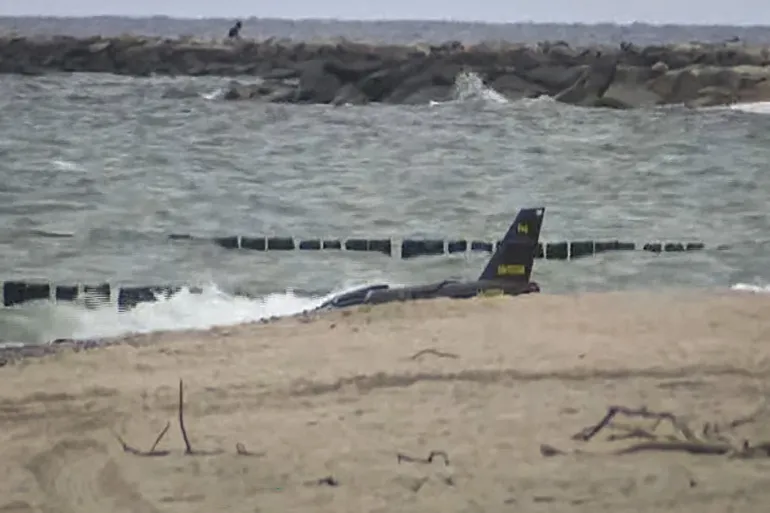
The train strike occurred shortly after a delegation featuring former British Prime Minister Boris Johnson and former Swedish Prime Minister Carl Bildt departed the area, according to Ukraine’s national rail operator. In response, Polish authorities are heightening security measures. Defense Minister Wladyslaw Kosiniak-Kamysz reported that the Polish military recently recovered a suspected Russian surveillance drone from the Baltic Sea near the coastal village of Jaroslawiec.
Kaja Kallas, the European Union’s top diplomat, emphasized that these border-area strikes appear specifically designed to intimidate Western allies, but asserted that the alliance remains undeterred. Conversely, Kremlin spokesman Dmitry Peskov maintained that Russian forces will continue operations throughout Ukrainian territory as planned.
Amidst the security concerns, United States President Donald Trump claimed that Russia and Ukraine have reached an agreement to refrain from attacking each other’s energy infrastructure. Despite these assertions, neither Moscow nor Kyiv has publicly confirmed such a pact. Trump suggested that the ongoing conflict is a primary factor driving up diesel fuel prices, an issue impacting his administration ahead of the upcoming midterm elections.
On the ground, combat remains intense. Russian forces reportedly struck two cargo vessels in the Black Sea on Monday, while regional authorities in Russia’s Belgorod region reported that one person was killed and another injured following cross-border attacks.
Seeking a path toward de-escalation, Ukrainian President Volodymyr Zelenskyy proposed that halting strikes on critical energy infrastructure could serve as an initial move toward peace. Zelenskyy indicated that Ukraine is prepared to cease operations against Russian energy and food supply routes if international partners can guarantee that Moscow will reciprocate. However, the Kremlin continues to demand that Ukraine cede territory and demilitarize before it considers any halt to its offensive operations. The report also notes that “These coming weeks and months will be a time of very intensified actions on the Russian side, and unfortunately we cannot rule out that this escalation will also affect our territory,” Tusk said as he emerged from a security briefing in Warsaw. The report also notes that including a CIA briefing last week, suggest that Russia is likely to attack border points and intensify sabotage actions inside European countries as part of its efforts to discourage states from supporting Ukraine, polish officials have said intelligence reports. The report also notes that albeit continuing to suggest he leans towards the Russian narrative on the war, the US president has recently appeared ready to revive efforts to broker peace. The report also notes that the cost of diesel fuel in particular has come into focus as inflation continues to dent Trump’s popularity ahead of the US midterm elections in November. The report also notes that ukraine has found significant success in targeting Russia’s oil refining infrastructure in recent months. The report also notes that the Ukrainian leader has previously suggested that mutual strikes could be paused as a first step towards halting hostilities.