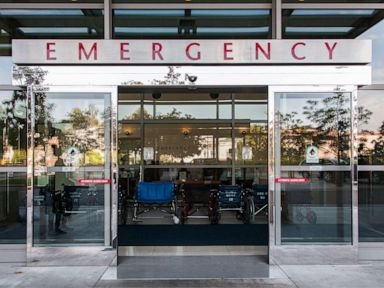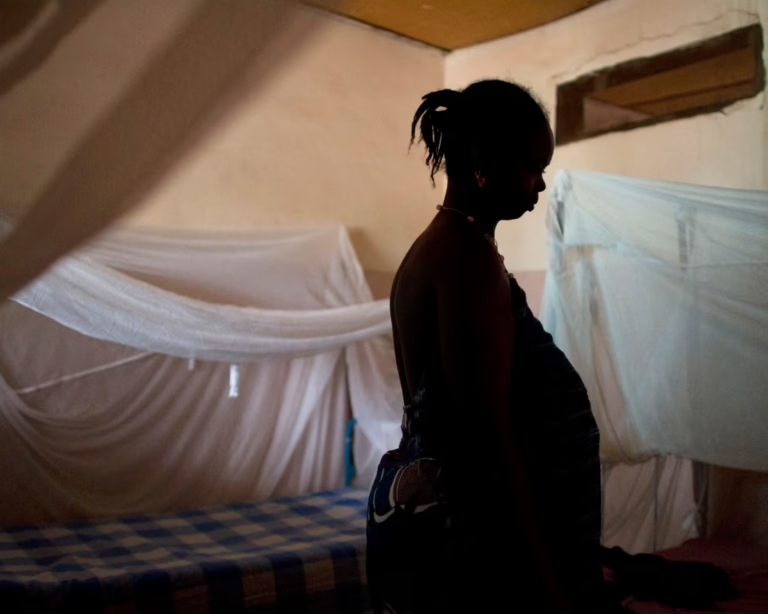
Nigerian health authorities have confirmed the country’s first case of Ebola in the capital, Abuja. A woman, who had recently arrived from Uganda, tested positive for the virus after being hospitalized on 11 October, four days after she first began displaying symptoms. Where she was later diagnosed with Ebola, the woman began showing symptoms on 7 October and was admitted to a hospital in Abuja four days later. According to uganda had previously, Ebola cases, but it later declared itself free of the virus.
Health Minister Muhammad Pate announced that a contact-tracing operation is underway, with 44 individuals identified so far. “We are doing everything possible to contain this case by tracing all the contacts the individual may have had,” Pate stated.
While the woman traveled through Uganda, the Ugandan Ministry of Health stated she had only transited through the country and was returning from a business trip in the eastern region of Congo. Officials in Uganda emphasized that there are no active Ebola cases within their borders. “Travel through Uganda does not establish that infection occurred here. The location of exposure remains under investigation,” the ministry noted.
This development follows the recent detection of the virus in Kenya, where nine cases have been recorded since early October.
Dr. Jean Kaseya, director general of the Africa Centers for Disease Control, warned that the continent is facing a severe threat, noting that the fatality rate of this outbreak is nearly 50 percent. “This Bundibugyo Ebola outbreak has already become the most geographically extensive in history, affecting several countries spread across three regions of Africa,” Kaseya said.
The Nigeria Centre for Disease Control has been preparing for such an event since mid-May, following the initial reports from Congo. Their strategy includes enhanced surveillance, isolation, laboratory diagnostics, and infection prevention protocols. A dedicated Ebola taskforce was established in June to bolster national defenses. “These efforts have focused on early detection, isolation and referral, laboratory diagnosis, infection prevention and control, contact tracing, risk communication and protection of health care workers,” the agency said.
Global health experts remain deeply concerned by the transmission rates of the rare Bundibugyo strain. To date, the virus has infected over 9,500 people and claimed more than 4,600 lives. According to the World Health Organization, this is the fastest-spreading Ebola outbreak on record and may soon surpass the scale of the 2014-2016 West African crisis, which resulted in 11,000 deaths.