The sixth installment of the UK’s Covid inquiry delivers a sharp indictment of the government’s approach to protecting vulnerable individuals in care settings. At the onset of the pandemic, approximately 500,000 people resided in care homes, with an additional million receiving support in their own residences. The inquiry concluded that protective measures were implemented far too late, resulting in devastating consequences. Between March 2020 and July 2022, there were over 43,000 recorded deaths involving Covid-19 within the care sector.
Although former health secretary Matt Hancock famously claimed the government had placed “a protective ring” around care homes, the 287-page report dismisses this assertion, documenting a series of systemic failures. Investigators found that the care sector was treated as “something of an afterthought” by officials. A chronic lack of personal protective equipment (PPE) forced staff to rely on improvised solutions, including bin bags, painters’ overalls, and festival ponchos to safeguard themselves and their residents. Allowing loved ones to help residents with everything from personal care to maintaining their mental health, visits are extremely important. CPR (Cardiopulmonary Resuscitation), including chest compressions, can be life-saving if a person’s heart has stopped beating.
The inquiry also condemned the practice of transferring hospital patients into care homes without adequate testing or isolation protocols to free up hospital beds. While the need to create capacity was understood, the failure to mandate separation for potentially infected arrivals was deemed a significant oversight. Official government guidance across England, Wales, and Northern Ireland failed to address this risk during March 2020. To reduce the risk of infection transmission, meant staff shortages got even worse, but a desire not to have staff going into multiple homes.
Deep-seated issues further undermined the response, as the social care workforce was already fragile due to high turnover and vacancy rates.
The fragmented nature of the system, which relies on thousands of individual providers and local council oversight, left the sector isolated from the NHS.
Financial struggles intensified as demand for services dropped, and the reliance on zero-hours contracts left many staff without the necessary support to stay home if they suspected they were infected.
Existing weaknesses were both exposed and exacerbated by the pandemic, according to the findings.
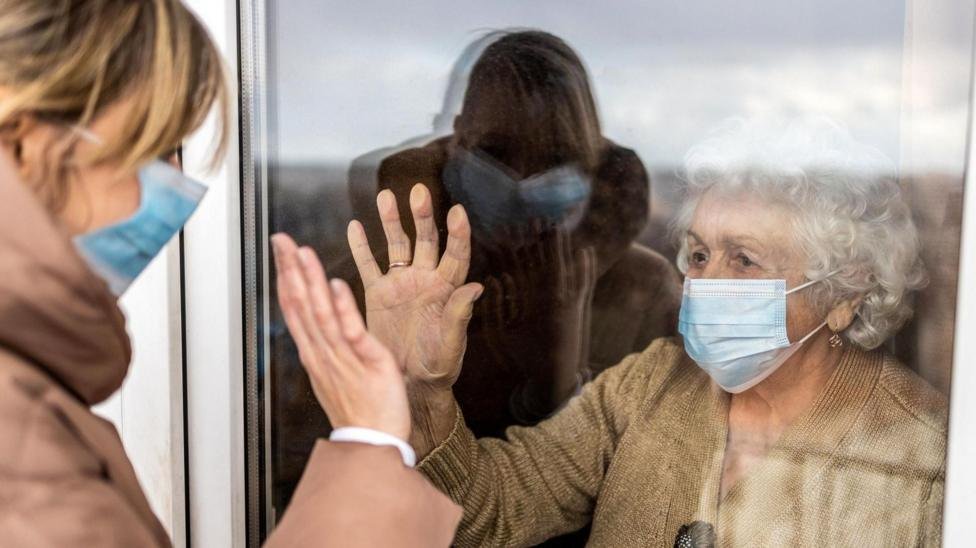
Restrictions on family visitation, which were initially considered a rational precautionary measure, were ultimately deemed excessive. As the crisis evolved, the balance between safety and human need shifted, yet visiting remained heavily restricted long after evidence indicated that staff, rather than visitors, were the primary entry point for infections. By September 2020, data suggested that the risk posed by visitors was marginal, yet many care homes failed to relax guidance, causing significant harm to the mental health and wellbeing of residents. As part of infection control, went too far, the report is clear that precautionary steps taken to restrict visiting. Saying that was rational, it acknowledges there was little choice to introduce bans on visitors at the start of the pandemic. One care home owner in Wales described how 39 staff moved in for a fortnight at the start of the pandemic. This concern mirrors an earlier Care Quality Commission investigation which found evidence of unacceptable and inappropriate DNACPRs being put in place.
The report also highlights concerns regarding the illegal use of blanket “do not resuscitate” (DNACPR) orders. While such orders may be appropriate for individuals who are extremely frail or facing terminal illness, they must be issued on an individual basis. The inquiry received evidence of GPs imposing blanket orders across entire care homes, a practice the report notes as unlawful. Records indicated a sharp surge in these orders, which increased from 16,800 to 26,500 within the first nine months of the pandemic. According to but the inquiry, This was not the case, listing a catalogue of failings.
The emotional toll on staff was profound.
Many workers faced the trauma of providing end-of-life care to multiple residents simultaneously, with one home losing half its residents in just three weeks.
Some staff members made the personal sacrifice of moving into their workplaces for weeks at a time. The inquiry captured testimonies of deep distress, with one worker describing the horror of sitting on video calls with families so they could say their final goodbyes, noting that the intensity of the grief left staff crying alongside the residents they served.