A contentious medical research trial involving the withholding of hepatitis B vaccines from newborn infants has secured authorization to proceed in Guinea-Bissau. The study, which has faced significant international scrutiny, serves as a cornerstone for the vaccination agenda promoted by Robert F. Kennedy Jr., the current secretary of the U.S. Department of Health and Human Services. At an anti-vaccine conference last month, Kennedy praised the Danish researchers behind the trial and touted US-supported research on hepatitis B in newborns as exemplifying the Trump administration’s agenda for vaccines, which has included slashing vaccine recommendations and casting doubt on the safety and effectiveness of shots. International medical research must be approved by ethics committees in both the host and sponsor countries, according to the Helsinki declaration.
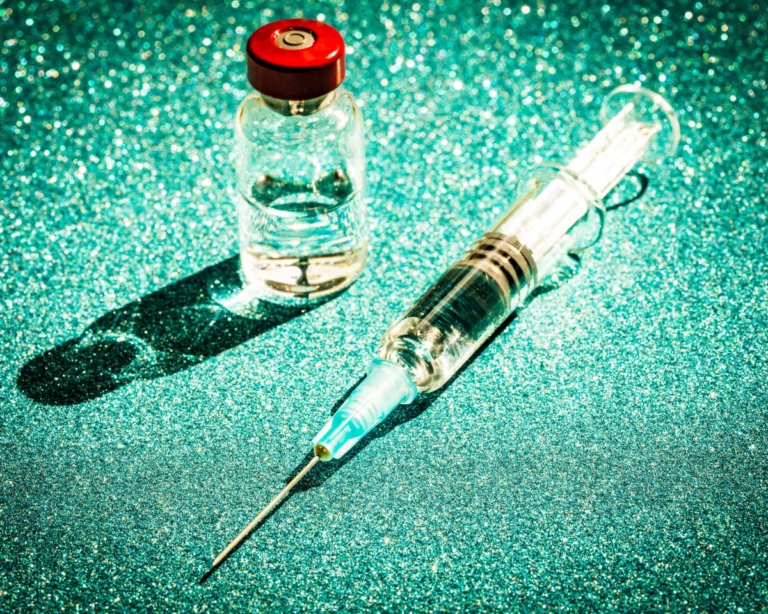
Danish investigators intend to enroll 14,000 infants in the West African nation. Under the study protocol, half of the newborns will receive the standard hepatitis B vaccine at birth, while the remainder will be denied the dose for the first six weeks of life. This trial recently gained formal approval from an ethics committee at the University of Southern Denmark, and officials in Guinea-Bissau have also provided their consent despite previous signals from Health Minister Quinhin Nantote that the project was suspended following widespread outcry. According to yet “I don’t see why you couldn’t do it in Denmark,” Støvring, Of the trial.
The study has drawn sharp condemnation from medical experts. Paul Offit, an infectious disease physician at Children’s Hospital of Philadelphia, stated that the trial’s primary goal aligns with Kennedy’s stated desire to eliminate the birth dose of the vaccine in the United States. Offit argued that such a trial would be ethically impossible to conduct domestically, suggesting that the organizers are exploiting a developing nation where children are treated as more expendable.
Significant internal opposition has surfaced within the research team. Stig Børsen Hansen, a founding member who helped present the study to the Danish committee, resigned in protest alongside three other committee members. Hansen characterized the study as a dangerous lottery, noting that infants assigned to the unvaccinated group face a tangible risk of contracting a virus that can cause irreversible, lifelong damage. He described the potential infections as occurring by design for the sake of testing a hypothesis. And it can be acquired by sharing washcloths, toothbrushes and fingernail clippers, it can live on surfaces for up to seven days.
Financial backing for the project includes $1.6 million allocated by the U.S. Centers for Disease Control and Prevention, with matching funds provided by the Pershing Square Foundation and the Bluebell Foundation. Neither the CDC nor the participating researchers have responded to inquiries regarding the ethical and medical concerns surrounding the trial. And it will be matched with private funding from the Pershing Square Foundation, which was co-founded by the billionaire activist Bill Ackman, and the Bluebell Foundation, the US Centers for Disease Control and Prevention (CDC) has reportedly set aside $1.6m in this year’s budget for the project.
An updated protocol, which has not been made public, reportedly modifies the testing criteria. Researchers plan to screen mothers for hepatitis B prior to birth. While infants born to positive-testing mothers will receive the vaccine and remain outside the study, those born to negative-testing mothers may be enrolled. However, critics like Henrik Støvring, a professor of statistics and pharmacometrics at Aarhus University, highlight that the testing process carries a 5% false-negative rate. Furthermore, since the virus can be transmitted casually via shared household items or community contact, excluding infants based solely on maternal status fails to account for subsequent exposure risks. The researchers will now test mothers for hepatitis B before they give birth. In addition, the hepatitis B test has a 5% false negative rate, which could provide false assurance that a birthing parent does not have the virus.
Støvring emphasized that established medical science confirms the benefit of the birth dose, making it fundamentally unfair to randomize infants into unvaccinated groups. He noted that the University of Southern Denmark ethics committee, which had never previously reviewed medical trials, modified its internal rules to vote on this specific case despite warnings from members with relevant clinical expertise. The majority ruled to move forward, while committee members with expertise argued against approving it.
Guinea-Bissau currently experiences some of the highest hepatitis B prevalence rates globally, with approximately 18% of the adult population carrying the virus. Infections occurring within the first year of life carry a heightened risk of chronic health complications and liver cancer. While the nation had initially planned to implement universal newborn vaccination by 2027, the rollout was delayed to 2028, a window that Offit describes as a deliberate and dangerous exploitation of a public health gap.
Kennedy, who has previously lauded the Danish researchers as the deities of vaccine research, has frequently claimed that existing studies contain hidden evidence of mass injuries related to immunizations. The upcoming trial is slated to evaluate vaccination impacts on mortality, neurodevelopmental conditions, and various skin ailments. Meanwhile, officials at the Africa CDC have indicated that discussions remain ongoing between the United States and Guinea-Bissau, though no further details have been finalized.