The United Kingdom is currently projected to miss its commitment to spend 0.3% of national income on international aid, facing a potential shortfall of approximately £400 million by the end of next year. Research conducted by the Center for Global Development (CGD) indicates that the country is on track to experience a significant deficit in official development assistance (ODA) by late 2027.
Based on the Treasury’s comparison of independent expert forecasts, experts estimate the shortfall will likely reach £410 million, effectively pinning aid spending at just 0.29% of national income. Researchers warned it remains highly plausible that the deficit could climb as high as £580 million, representing only 0.28% of national income. Even under the most conservative estimates, the gap is expected to reach £250 million.
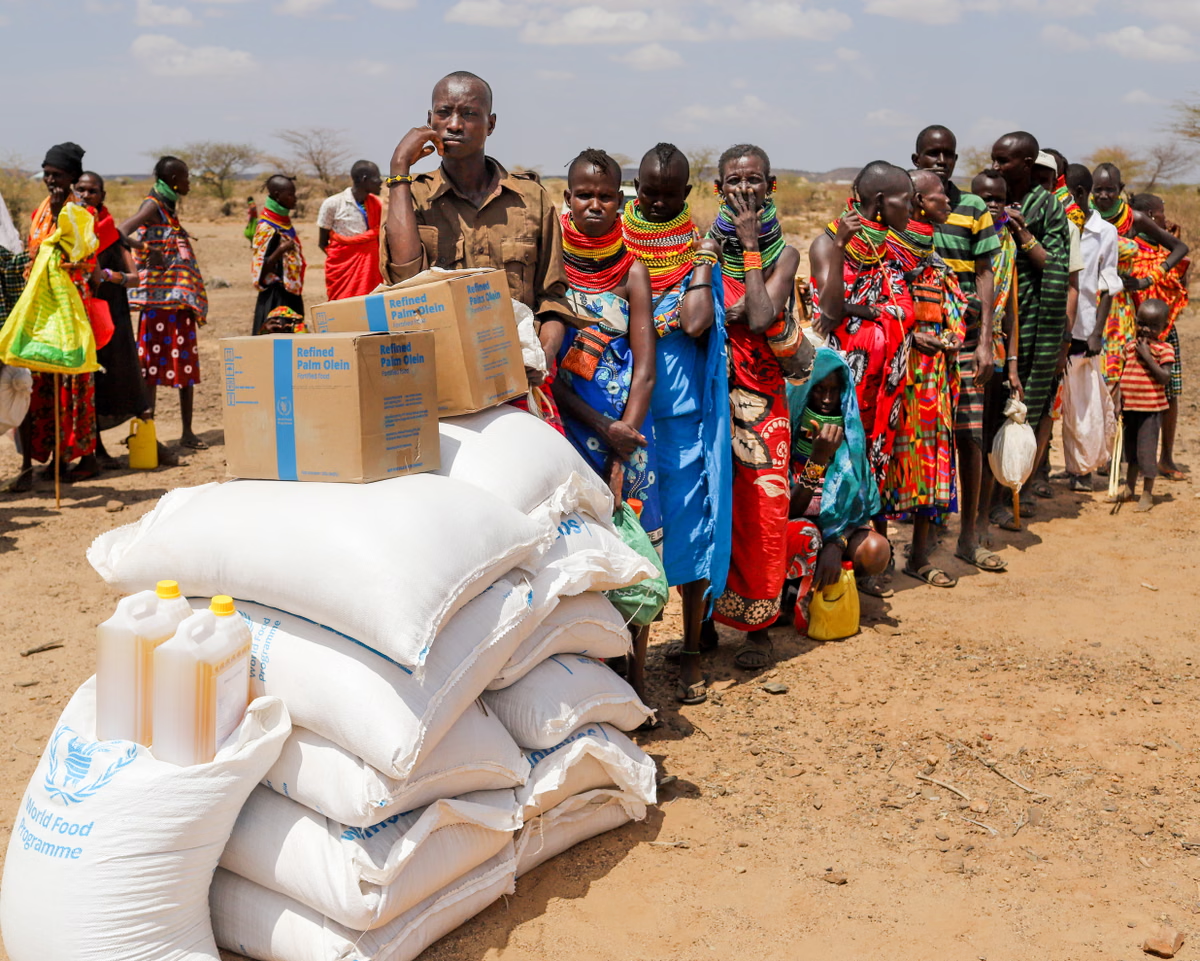
Ian Mitchell, a senior fellow at the CGD and co-director of its Europe programme, described these figures as significant shortfalls in the spending power of British aid. He noted that closing a £400 million gap could have halved the deep funding cuts to Africa—reductions currently expected to cost thousands of lives and signal a de facto withdrawal from the eastern and southern regions of the continent.
The CGD identifies two primary drivers for this shortfall: higher-than-expected inflation, which raises national income beyond original spending review forecasts, and a policy shift regarding the Foreign, Commonwealth and Development Office (FCDO) budget implemented in 2025. Researchers are urging ministers to authorize additional funding in the upcoming budget to avoid the reputational damage associated with failing to meet these targets.
This 0.3% target is notably lower than the 0.7% pledge included in the Labour Party’s election manifesto, a commitment previously downgraded by Prime Minister Keir Starmer to prioritize defense spending.
Former minister Fleur Anderson, who serves on the foreign affairs select committee, expressed a desire to see development aid increased during the upcoming budget. She emphasized that falling short is not merely a technical accounting error; it impacts the delivery of life-saving vaccines, peace initiatives in conflict zones, and essential services like clean water and education for girls. Girls pulled out of school, vaccines that don’t get delivered, peace programmes in war zones cut, it means communities not having clean water.
Recent data from the FCDO published in September reveals that current aid cuts have disproportionately affected the world’s most impoverished nations. Funding for low-income and least-developed countries saw a 6.7% decline, amounting to roughly £118 million in cuts. Overall, the UK’s ODA budget for 2025 dropped by £987 million, falling to 0.44% of gross national income from 0.5% in 2024. According to charities have repeatedly, The government’s deep aid cuts will hit children’s education and increase the risk of disease and death in some African countries.
The government maintains that it prioritizes aid through multilateral agencies, including the World Bank’s International Development Association and the Gavi vaccine initiative, while continuing humanitarian support. An FCDO spokesperson stated that the multi-year allocations established in March 2026 set out clear priorities based on the 2025 spending review, adding that transitioning to a fixed budget aims to minimize volatility and provide stability for high-impact programs. “The upcoming budget presents real opportunity for the Treasury to address this and for the government to show that its words on Britain’s place in the world are matched by action.”. It has also continued to fund humanitarian support.
Meanwhile, the Conservative Party and Reform UK have advocated for further reductions, proposing to slash aid from approximately £9 billion annually to £1 billion. Analysts warn such a move would render the UK unable to fulfill existing commitments to organizations like the UN and the World Bank.