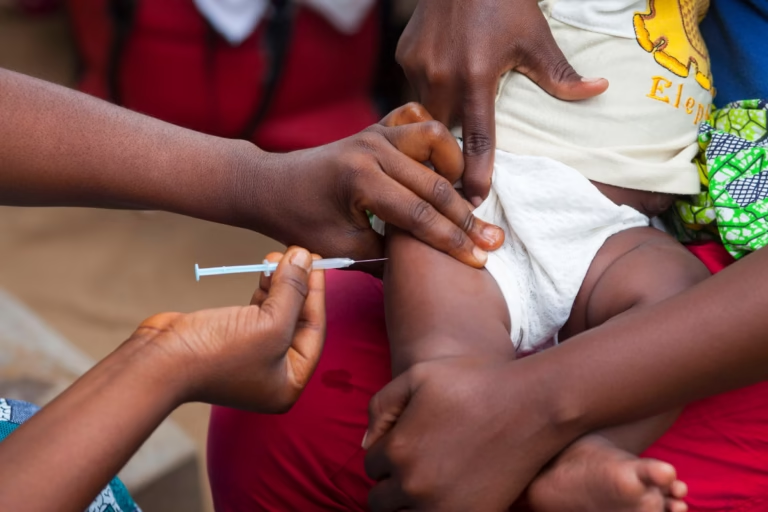
A controversial research initiative involving a hepatitis B vaccine trial for newborns in Guinea-Bissau has been formally canceled. Lead researcher Frederik Schaltz-Buchholzer announced on Wednesday that the project would no longer move forward, stating, “It is now clear that the study will not proceed in Guinea-Bissau because we were not granted the necessary government authorization.” According to you want to do the best for your child,”, Henrik Støvring, a Danish researcher who has co-published research raising questions about previous research from the Bandim project.
This outcome follows staunch opposition from local authorities. Quinhin Nantote, the Minister of Health in Guinea-Bissau, had previously dismissed the prospect of the trial taking place at all, telling reporters, “This is not even remotely true.” In a further escalation of the dispute, government officials reportedly searched the offices of the Bandim Health Project earlier this week and seized the vaccines intended for the trial.
The study was set to be financed with $1.6 million from the US Centers for Disease Control and Prevention (CDC), complemented by matching funds from private entities, including the Pershing Square Foundation—backed by Bill Ackman—and the Bluebell Foundation. Proponents, including researchers like Schaltz-Buchholzer, Christine Stabell Benn, and Peter Aaby, sought to examine whether administering the hepatitis B vaccine alongside live vaccines like BCG might influence overall mortality rates.
The trial faced intense scrutiny from international experts who argued it was unethical.
Paul Offit, a vaccine specialist at the Children’s Hospital of Philadelphia, described the underlying hypothesis as “fanciful” and lacking biological credibility. He emphasized that the hepatitis B vaccine is a single, safe protein and noted that the trial’s design—which would have left 50% of participants without a vaccine dose in a region with high infection rates—made meaningful informed consent impossible. “There’s no evidence for that, and it doesn’t make biological sense,” he continued. “If they decide to participate in the trial, they have a 50% chance of getting the vaccine for their children. They have a 0% chance of getting the vaccine, but if they stay out. According to if there was any evidence that this was problematic, you would know this by now,” Offit added. “We eliminated hepatitis B in the United, In children virtually within years of starting that program, so the benefits are clear.”.
“The solution is straightforward: take the funding and vaccinate as many children as possible,” said Offit, stressing that Guinea-Bissau urgently needs universal immunization to prevent chronic infection and lifelong complications. While the country plans to implement a universal birth dose program by 2028, experts argue that current delays continue to leave vulnerable newborns at risk of preventable diseases.
The controversy also generated significant public distrust. Many residents expressed concern over why a vaccine with a long, established history of safety was being subjected to a trial in their country. Schaltz-Buchholzer acknowledged this tension, writing that while he believed the study was necessary to challenge prevailing medical assumptions, the public perceived it as an indication that the vaccine itself might be hazardous.
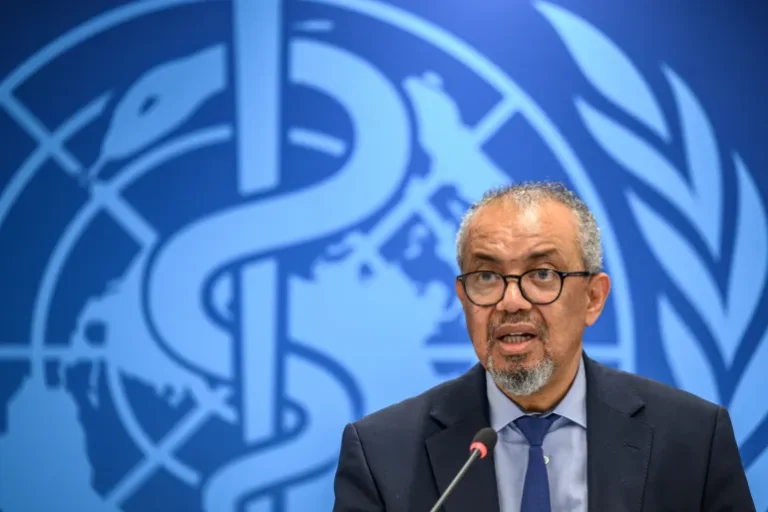
Tarik Jašarević, a spokesperson for the World Health Organization (WHO), reaffirmed the global necessity of early vaccination. He noted that the WHO recommends a first dose of the hepatitis B vaccine within 24 hours of birth to ensure timely protection. The organization remains focused on supporting national authorities to ensure evidence-based immunization programs are delivered effectively. Dozens of studies have shown no link between vaccination and autism.
Despite the cancellation, researchers involved in the project expressed frustration that their investigation into non-specific vaccine effects was halted. The study had intended to monitor not only mortality but also potential side effects, such as neurodevelopmental issues and skin conditions. However, experts like Offit maintain there is no evidentiary basis for linking these vaccines to such conditions, citing decades of global data.
As the situation concludes, the focus in Guinea-Bissau is expected to shift toward the planned 2028 rollout of universal birth doses. Experts reiterate that the benefit of the hepatitis B vaccine is scientifically settled, and the elimination of the virus in infants elsewhere demonstrates the urgent need for widespread adoption rather than further clinical experimentation.