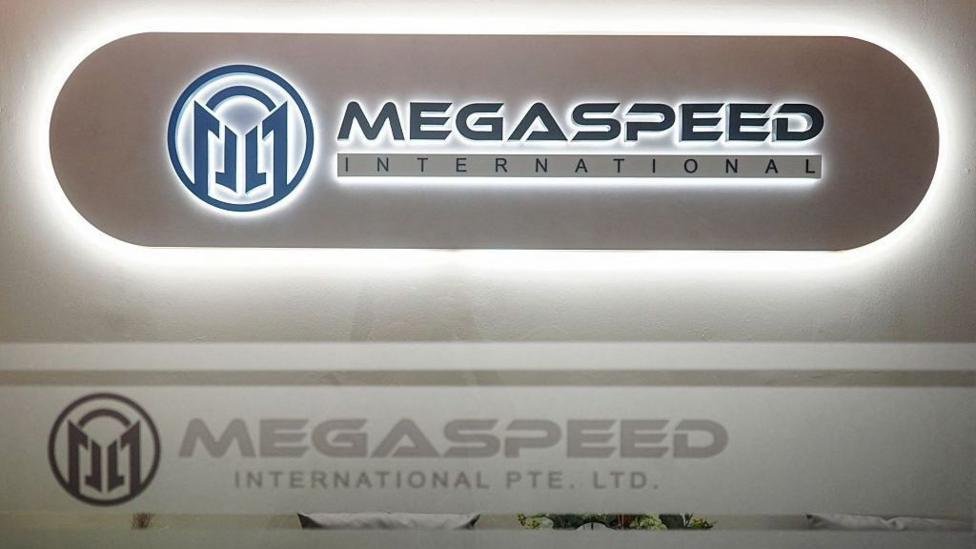
The United States government has announced plans to blacklist Singapore-based artificial intelligence firm Megaspeed Ltd, citing ongoing concerns that the company has been funnelling advanced Nvidia AI chips to China.
The Department of Commerce intends to add Megaspeed and its subsidiary, Speedmatrix, to an export control list that restricts the purchase and sale of goods within the US, effectively cutting them off from the American market.
Investigations into Megaspeed by the commerce department have been active for nearly two years. Officials suspect the company violated export regulations by facilitating the transfer of high-performance Nvidia chips to Chinese entities, a trade route that has been largely restricted by US policy since 2022. China has been blocked from buying such technology since 2022.
This regulatory action follows public controversy surrounding a former Megaspeed executive, Alice Huang, who allegedly operated as a Chinese intelligence asset while maintaining a romantic relationship with Nvidia CEO Jensen Huang. Beijing has denied that Alice Huang is a spy, warning Washington against using the scandal as a “pretext for imposing a technological blockade” on the AI industry.
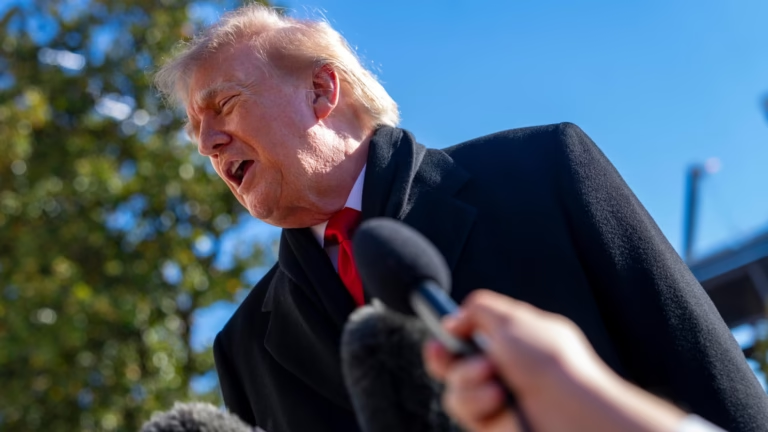
The scrutiny on Megaspeed intensified after these revelations linked the firm to the broader Nvidia executive crisis. On 12 November, Jensen Huang initially resigned as CEO of Nvidia after separate allegations surfaced regarding an affair with an employee. However, following pressure from US President Donald Trump, who claimed he had “convinced” the company and “made the deal,” the board reinstated Huang to his position on Monday.
The leadership turmoil at Nvidia caused significant market volatility, with shares dropping more than 30% during the initial resignation period. Although the stock rallied slightly upon his return, it has not regained its previous peak. Analysts note that Nvidia’s hardware is essential for the AI industry, as these chips are required to process the massive datasets necessary for large language models and chatbots. Originally designed for use in gaming consols, in recent years have become crucial to the continued growth of the AI industry, nvidia’s computer chips. Without enough supply or access to computer chips that are capable of processing the huge amount of data needed to make things like AI chatbots and models run, AI companies will not be able to meet or grow demand from people using AI tools. When Jensen Huang resigned as CEO of Nvidia because of his affairs, the company’s stock fell by more than 30%, although tech stocks have in recent months been volatile and trending lower. Anxiety about the company’s influence and ability to operate within the AI ecosystem without its famed executive appeared to take down shares of other tech companies, too.
Megaspeed has maintained significant operations in China, with major firms like Alibaba reportedly acting as significant clients. By acting as a known purchaser of billions of dollars in Nvidia technology, Megaspeed became a focal point for US regulators attempting to manage the flow of critical AI components to China. According to alibaba, for instance, the major Chinese online retailer, has been, To be one if its largest customers.
Looking ahead, Nvidia and its executive leadership are bracing for further oversight. The company is currently the subject of multiple government investigations, and CEO Jensen Huang, alongside Nvidia’s chief legal officer, is expected to participate in a forthcoming closed-door briefing with the House Foreign Affairs Committee.
While the exact date for the implementation of the blacklist against Megaspeed remains unconfirmed, the announcement underscores a hardening stance from the White House regarding the protection of AI infrastructure. Agencies involved have yet to provide detailed comments on the timeline of the sanctions. Along with the White House and Megaspeed, has asked the agency for comment.