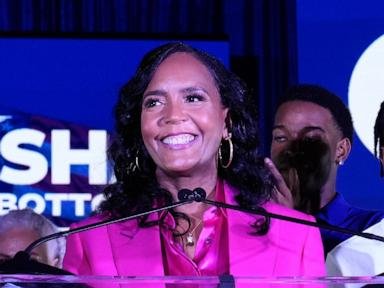
A combination of strong participation among Black voters and diminished Republican backing among white voters propelled Democratic candidates to major victories in Georgia during the recent midterm elections. Data analyzing voter polling, election results, and turnout patterns show that shifts among both demographic groups paved the way for the party’s widespread success state wide. Georgia’s recently released voter file and Voter Poll show Black voters’ turnout and support were important contributors to the Democrats’ big wins in the state. Flips North Carolina US House seat, democrat Chuck Hubbard wins recount. In isolation, it is unlikely that these likely Republican votes from white voters that stayed home would have been enough to counteract the increased Democratic support among the Black and white voters who did cast ballots, even if white voters turned out at a rate similar to Black voters.
The election produced historic outcomes across top races. Keisha Lance Bottoms won the gubernatorial race by nearly nine percentage points, becoming the first Black woman elected governor in United States history and delivering the party’s strongest performance for the office since Roy Barnes won by a similar margin in 1998. In the Senate race, Jon Ossoff secured reelection by an 18-point margin, expanding his 2021 runoff victory margin by 17 points and topping Donald Trump’s 2024 performance in the state by 20 points. Winning by nearly a 9-point margin; the state hasn’t seen a Democratic governor sin, democratic margins in the state were wide: Keisha Lance Bottoms became the first Black woman to be elected governor in American history.
Demographic voting trends revealed significant shifts among white voters compared to prior elections. Both Bottoms and Ossoff improved upon the performance of Democratic candidates four years earlier. While Democratic gubernatorial and Senate contenders lost the white vote by 49 points and 39 points respectively in 2022, Bottoms narrowed her deficit among white voters to 31 points, and Ossoff reduced his to 19 points. According to the 2026 Voter Poll and the Associated Press’ VoteCast from 2022, Bottoms and Ossoff performed better among white voters than Democratic candidates in the state four years ago.
Democratic candidates also built upon their traditional base of support among Black voters. Ossoff captured an 87-point margin among Black voters, surpassing Raphael Warnock’s 82-point margin from 2022. Bottoms secured an 83-point margin within the same demographic, improving on Stacey Abrams’ 75-point margin against Brian Kemp four years prior.
Overall voter participation mirrored typical midterm trends, with overall turnout reaching 55 percent of registered voters—an 18-point drop from the 2024 presidential election, but largely consistent with 2022 levels according to L2 voter record data. However, participation rates diverged sharply when broken down by race. Wash. officials condemn ICE after 2 arrested boarding flight at Seattle airport.
Black turnout fell by only 12 percentage points compared to 2024, which was nine points smaller than the 21-point decline recorded among white voters. When compared directly to 2022 midterm levels, Black voter turnout remained virtually unchanged, whereas white voter participation dropped by eight percentage points. Relative to 2022, Black turnout remained almost unchanged, while turnout among white voters dropped 8 points from 2022 to 2026.
The decline in white voter turnout was most pronounced among voters with occasional voting histories. White voters who had participated in two or three of the last four federal elections saw their turnout drop by 18 points relative to 2022. In contrast, low-frequency white voters experienced a 10-point decline, and high-frequency white voters saw a six-point drop. Army postpones plan to detonate nearly 10,000 pounds of lead azide until Monday. Respectively, these occasional voters had an 18-point decline in turnout compared to the 10-point and 6-point declines experienced by low- and high-propensity white voters.
Unlike their white counterparts, Black voters displayed consistent turnout across all voting frequency categories compared to 2022. Turnout rates among Black voters remained steady regardless of whether individuals were classified as low-, moderate-, or high-propensity voters.
These combined shifts significantly narrowed the historical turnout gap between Black and white voters across Georgia. In the recent election, moderate- and high-propensity Black voters turned out at higher overall rates than white voters in the same frequency tiers, reinforcing the decisive impact of the demographic shifts on the final election results. ‘ Emily Guskin contributed to this report.