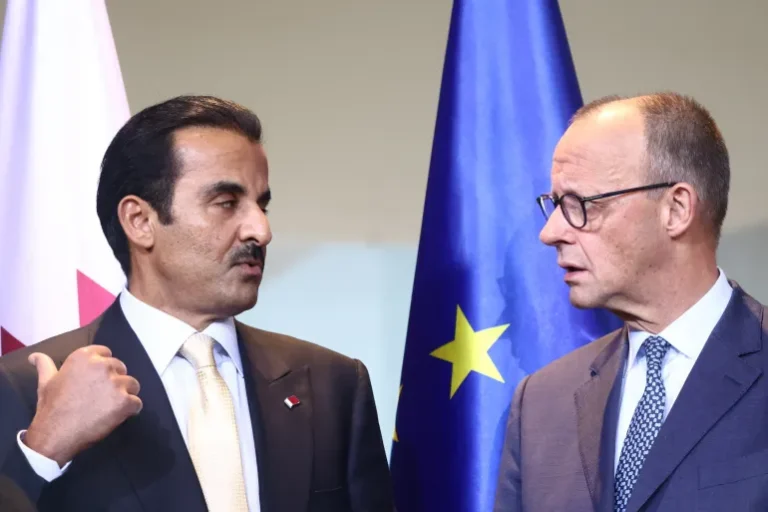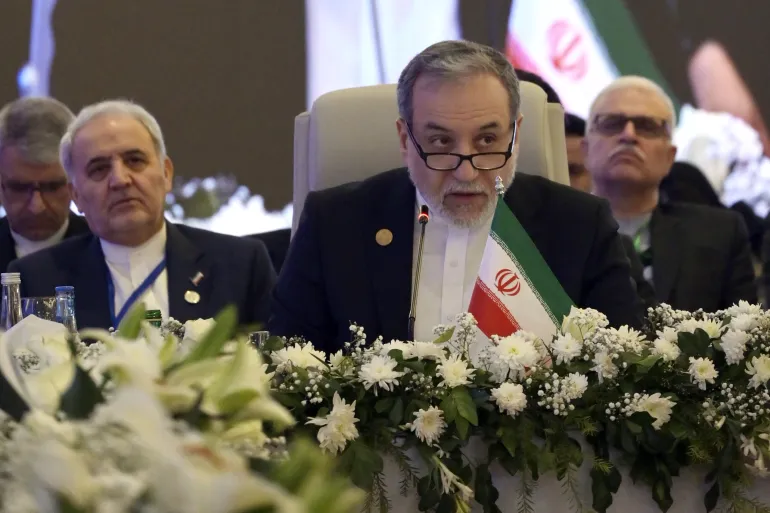
Iran has engaged in discussions with Qatari mediators, seeking a diplomatic path to resolve regional tensions centered on the Strait of Hormuz. Deputy Foreign Minister Kazem Gharibabadi confirmed that a Qatari delegation arrived in Tehran on Friday evening for two hours of negotiations, though he noted these discussions have not yet escalated into formal diplomatic channels.
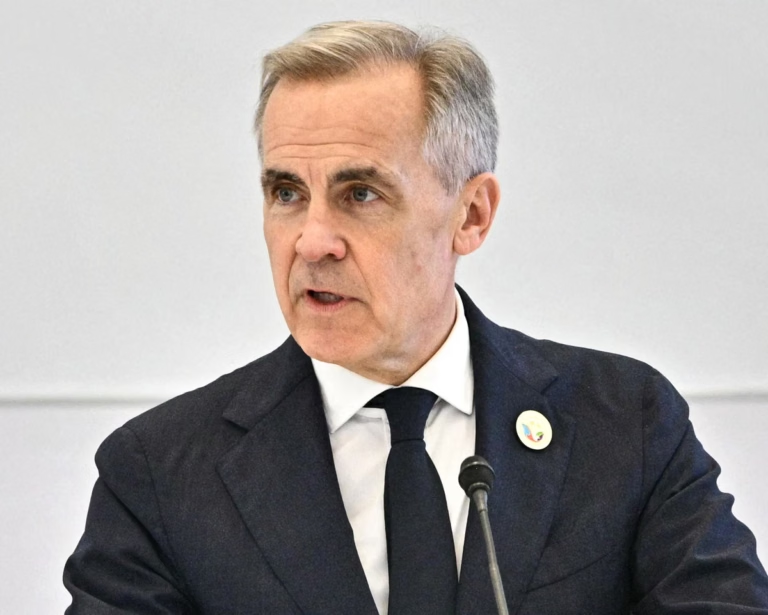
Foreign Minister Abbas Araghchi emphasized that Iran remains ready for dialogue but maintains that the US must first acknowledge previous policy failures and adhere to earlier commitments. Tehran’s specific demands include an end to the current conflict, the unfreezing of Iranian assets, the removal of oil sanctions, and the termination of the US naval blockade on Iranian ports. “At the same time, we have always affirmed our readiness for dialogue, just as we are ready to defend ourselves.”.
Araghchi stated that while reopening the strait is technically straightforward, it is contingent upon Washington accepting reasonable conditions rooted in international law. He maintained that discussing the status of the maritime chokepoint remains pointless until these foundational demands are satisfied.
The current regional unrest follows a major escalation on February 28, when the US and Israel launched attacks against Iran, leading to retaliatory strikes against Israel and Gulf nations hosting American military bases. These hostilities have significantly disrupted shipping lanes and inflated global energy costs. In response to the blockade, Iran has severely restricted vessel movement through the strait, a critical corridor for roughly one-fifth of the world’s oil supply. According to the US and Israel attacked Iran on February 28, prompting Tehran to launch strikes against Israel and Gulf, Hosting US military bases. The conflict has drawn in countries across the region, disrupted shipping and pushed up global energy prices.
President Masoud Pezeshkian characterized the national economic pressure as a “silent economic war,” labeling it more difficult to navigate than conventional missile strikes. Speaking at a meeting with producers and investors, he asserted that a coalition of external powers failed in their attempts to destabilize the country, adding that government efforts are currently focused on preventing winter power outages.
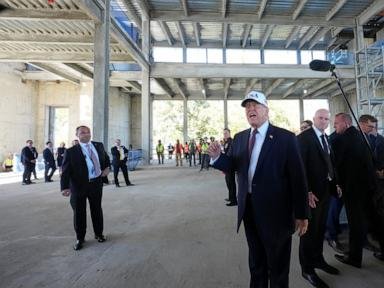
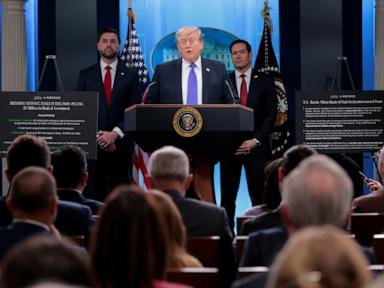
Meanwhile, US President Donald Trump told Fox News that his administration seeks a “permanent” agreement to prevent Iranian nuclear proliferation, though he expressed frustration with previous negotiations, accusing Iranian officials of reneging on deals shortly after they are signed. “We make a deal, and then they break the deal the next day,” he added.
Security measures in Tehran remain high, with Islamic Revolutionary Guard Corps (IRGC) commander Major-General Ahmad Vahidi visiting an underground missile facility this Saturday. Accompanied by Brigadier General Majid Mousavi, head of the IRGC Aerospace Force, Vahidi was briefed on recent advancements in missile technology and current operational readiness.
This military site visit occurs shortly after the Aerospace Force showcased its new underground capabilities, including various ballistic and cruise missile systems. Despite these displays of military power, Gharibabadi reiterated that Iran is actively participating in both virtual and in-person mediation to determine if diplomacy still offers a viable pathway forward. According to “We are in contact with mediators, including the Qataris, both in person and virtually, and are holding the necessary discussions to see whether another opportunity can be given to diplomacy,” he, On Saturday.
As the situation persists, Iran maintains that it will take any action deemed necessary to break the current economic blockade, which it classifies as an act of war. For now, the technical details regarding Iran’s nuclear program remain a potential point of negotiation, provided that any final resolution ensures the country retains control over its enriched uranium.