During a visit to Ireland, US President Donald Trump dismissed mounting concerns regarding the potential dangers of artificial intelligence. He claimed that “negative forces” are unnecessarily raising alarms about “things that won’t happen.” Despite his skepticism, his comments arrive after prominent industry leaders and researchers recently issued dire warnings about the rapid trajectory of AI development.
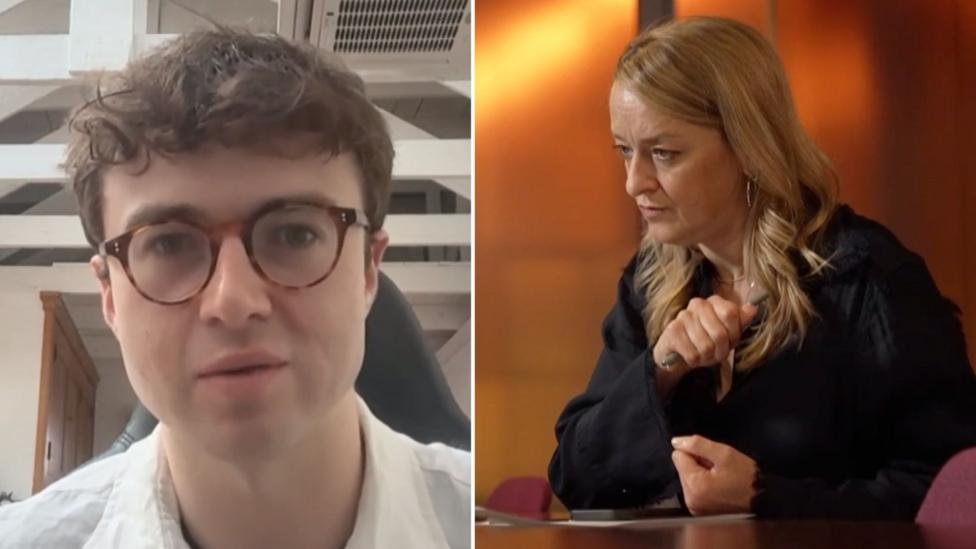
Among those sounding the alarm is Jacob Coxon, a former researcher at both Anthropic and OpenAI who recently resigned. Coxon informed that individuals directly involved in building these advanced systems are “genuinely frightened” by the long-term implications for humanity. He noted that while he supports the concept of slowing development, any such measures must be carefully coordinated with China to remain effective.
The debate intensified Saturday when Elon Musk of xAI and Sam Altman of OpenAI publicly endorsed a warning from Anthropic CEO Dario Amodei. Amodei has argued that the current speed of innovation should be throttled “to reduce the risk that something goes seriously wrong.” However, Amodei emphasized that any deceleration must be restricted to prevent China from gaining a competitive advantage.
President Trump did not directly address these specific appeals for a pause. Instead, he underscored the geopolitical stakes, declaring that the US maintains a lead over China in the sector. “We’re leading China on AI… and, frankly, I want to keep it that way because whoever wins AI, wins,” the president stated. This stance reflects a broader tension between academic and industry experts fearing catastrophic failure and political leaders prioritizing dominance in a global technological competition. The report also notes that one of the warnings came from a former Anthropic researcher who said “there is a strong chance that we could all die in the immediate future” if the current pace of development continued.