A coalition of 123 organizations, ranging from major retailers and banks to charities and energy firms, has formally requested that the government eliminate “hidden taxes” currently embedded in household and business energy bills. The group, which includes Energy UK, the CBI, Age UK, and End Fuel Poverty, argues that these levies—which account for roughly 10% of total energy costs—should be funded through general taxation instead.
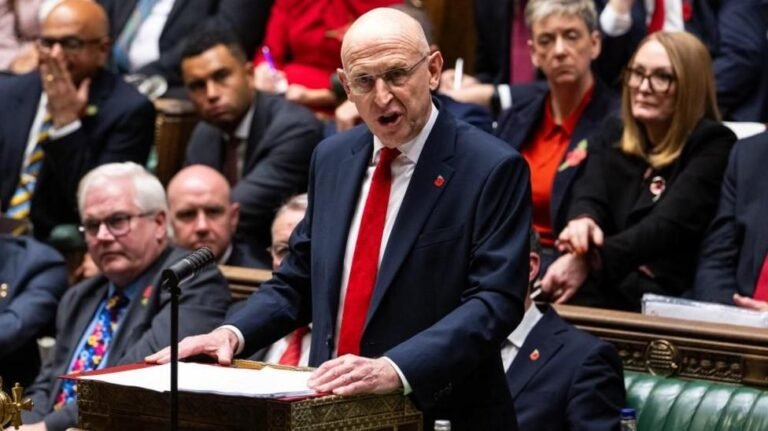
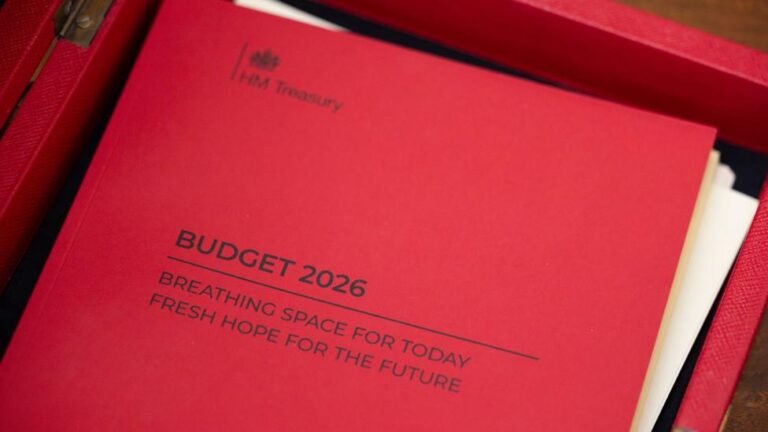
The appeal comes ahead of Chancellor John Healey’s first budget, scheduled for October 28. Proponents of the shift suggest that removing these charges could reduce average household energy bills by as much as £250 annually. This figure incorporates the £150 in savings already achieved through former Chancellor Rachel Reeves’s decision last year to move 75% of such funding into government tax streams. Additionally, the proposal estimates that business electricity costs could drop by 20%.
The signatories are specifically targeting levies that fund nuclear power plant development, the warm homes discount scheme, and the legacy feed-in tariff program. While the feed-in tariff scheme closed in 2019, it continues to provide payments to businesses and customers with existing contracts for self-generated energy. Ed Matthew, director of the UK programme at E3G, stated that the UK is currently undermining its own energy cost-reduction goals by taxing electricity, arguing that removing these burdens is essential for reindustrialization and addressing the cost-of-living crisis.
The urgency of the request is underscored by rising energy prices, which are currently 70% higher than they were in 2021. Recent geopolitical instability, including the conflict in Iran, has further pushed up gas and electricity prices. Cornwall Insight, an energy consultancy, projects that the Ofgem price cap will rise again in January, bringing the average annual bill to £1,872. This places the government under significant pressure to meet its 2024 pre-election pledge to reduce energy bills by £300 a year by 2030.
Dhara Vyas, chief executive of Energy UK, emphasized that high electricity prices are a universal burden. She noted that removing these levies would allow the government to demonstrate a serious commitment to tackling fuel poverty, curbing inflation, and stimulating economic growth. The coalition’s letter also warned that persistent high energy costs are acting as a major constraint on the economy, contributing to business closures, job losses, and a decline in domestic investment.
Britain’s largest energy supplier, Octopus, previously warned that bills could climb by 20% over the next four years due to the increasing volume of government policy costs, even if wholesale energy prices decline. While Andy Burnham announced a VAT reduction on domestic energy in July—providing an average saving of £45—this measure is currently scheduled to expire in April, leaving consumers facing a potential increase in costs. The report also notes that more than 120 organisations including big businesses and charities have called for the removal of “hidden taxes” added to energy bills to help reduce costs for consumers and prevent businesses closing. The report also notes that the signatories want the remainder of the levy funding the building of renewable energy projects to be scrapped. The report also notes that “Any credible plan to tackle the cost of living and enable reindustrialisation needs to include removing these taxes from bills to the exchequer.”. The report also notes that which are some of the highest in the developed world, after its pre-election promise in 2024 to cut energy bills by £300 a year by 2030, the government faces growing pressure to tackle the UK’s energy costs. The report also notes that cheaper electricity would have an outsized impact across the economy.”.