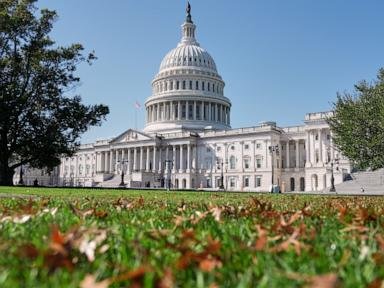
Battle for Capitol Hill Reaches Final Stretch
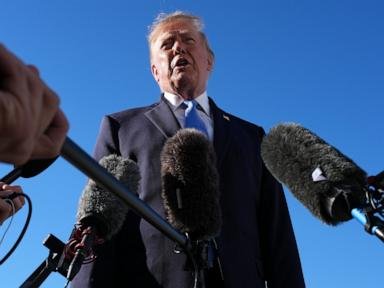
With one week until the midterm elections, control of both houses of Congress remains up for grabs. Voters across the nation are preparing to deliver a midterm verdict on unified Republican rule in Washington, where President Donald Trump holds the White House alongside GOP majorities in the House and Senate. Judge rules Trump DOJ ‘unlawfully’ fired Maurene Comey. DOJ seeking to charge Comey with conspiring to disclose national defense information.
Republicans are defending extremely narrow margins in both chambers, while Democrats attempt to make inroads into traditionally conservative areas to flip crucial seats on Nov. 3.
The Math in the House of Representatives
In the House, all 435 seats are on the ballot for two-year terms in the upcoming 120th Congress. Speaker Mike Johnson of Louisiana currently oversees a historically thin majority.
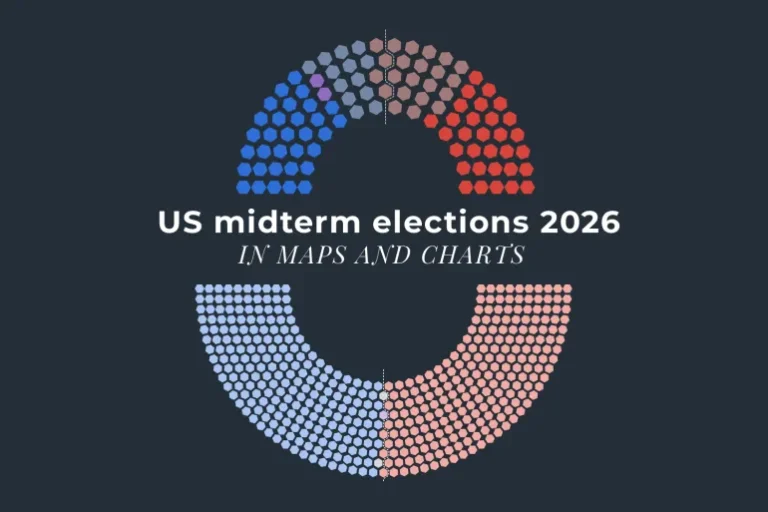
- Republicans currently hold 218 seats in the House.
- Rep. Kevin Kiley of California, an independent who filed for reelection without party affiliation, generally supports Johnson on floor votes.
- Democrats currently hold 214 seats.
- Two seats are vacant following the April resignations of former Texas Republican Rep. Tony Gonzales and former Florida Democratic Rep. Sheila Cherfilus-McCormick.
Cherfilus-McCormick attempted a political comeback but was defeated by voters in an August primary election. This leaves Johnson with an effective 220-215 edge over House Minority Leader Hakeem Jeffries heading into Election Night.
Campaign Messages and Party Strategies
Johnson and his fellow Republicans are campaigning heavily on their legislative accomplishments from the past two years, including the Working Families Tax Cuts Act, previously known as Trump’s “One, Big Beautiful Bill.” However, the GOP closing message has also warned voters against embracing what they term “Mamdani madness,” referencing New York City’s democratic socialist mayor and recent primary victories by democratic socialist candidates.
“We are bringing down the cost of living. We are providing more jobs and opportunity for more people. The facts show it and the records show it,” Johnson told CBS in a recent interview. “The success goes on and on.”
On the Democratic side, Jeffries is seeking to make history as the first Black speaker in U.S. history. His campaign focuses on affordability and anticorruption efforts directed at the Trump administration. Appeals court declines to step in on Trump administration’s California voting case.
“The American people are fed up,” Jeffries told reporters this month, adding his belief that Democrats are “on track” to win the House majority. For Jeffries to secure the speaker’s gavel, Democrats must achieve a net gain of three seats to reach a simple majority of 218.
The Senate Numbers Game
In the Senate, 35 of the 100 seats are on the ballot for six-year terms, comprising 13 Democratic-held seats and 22 Republican-held seats. Senate Majority Leader John Thune and the GOP currently hold a 53-45 edge over Senate Democrats. Two independent senators caucus with the Democrats, bringing the minority’s functional total to 47 seats.
Because Vice President JD Vance holds the constitutional power to break tie votes in the upper chamber, Thune could suffer a net loss of three seats and still retain the Senate majority. Conversely, Senate Minority Leader Chuck Schumer and Democrats need a net gain of four seats to flip control of the Senate. Early voting is already underway in numerous states ahead of Election Day on Nov. 3.