Greek officials have called on the European Union to grant member states the authority to temporarily suspend asylum processing during periods of mass migration. The proposal, introduced by Greek Migration Minister Thanos Plevris during Thursday’s Justice and Home Affairs Council in Luxembourg, argues that existing EU migration pact regulations, effective since June, remain insufficient for handling sudden, large-scale emergency influxes. According to several member, Argue that although the migration pact has helped reduce arrivals, it still lacks sufficient tools to handle large-scale emergencies, despite containing mechanisms intended for such situations.
Plevris stressed that in instances of massive arrivals, the focus must shift to enhanced border surveillance and a suspension of asylum procedures. This approach received backing from Dutch Migration Minister Bart van den Brink, who suggested that mass events—citing the surge in the Spanish enclave of Ceuta in late July—should be treated primarily as border management issues rather than asylum concerns. Spain reported that over 72,000 people entered Ceuta during that window; while most have since departed, approximately 10,000 migrants remain, fueling regional demands for stricter policies. About 10,000 remain, reinforcing calls in some European capitals for a tougher approach, while most have since returned.
The push for a more robust emergency framework aligns with recent remarks by European Commission President Ursula von der Leyen, who indicated two weeks ago that a new mechanism is being developed to help states manage sudden surges. EU Migration Commissioner Magnus Brunner acknowledged the need for security, stating that Europe requires consistent means to protect borders. He added that while movements sometimes appear engineered or weaponized against the bloc, any such measures must still comply with fundamental rights and international law.
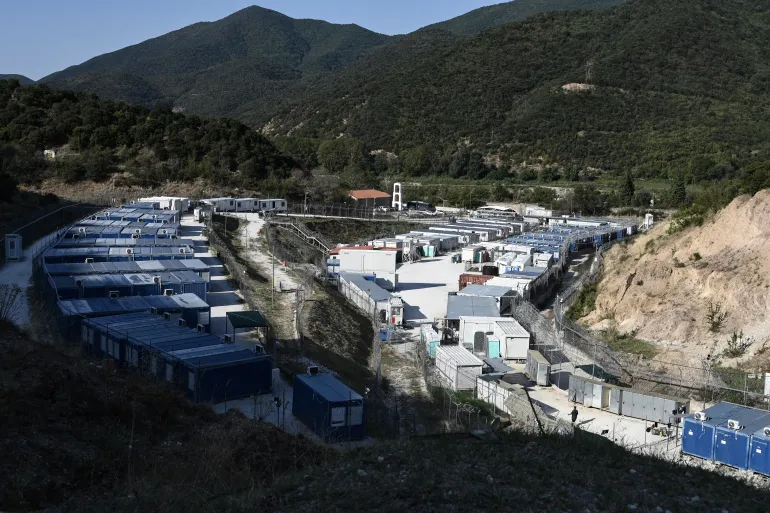
Beyond the asylum suspension debate, EU ministers reached an agreement on new return regulations, which will enable member states to establish processing hubs outside the EU. According to two European Parliament members, Rwanda has engaged in early-stage discussions regarding the potential to host such facilities. A specialized group of five nations—Greece, the Netherlands, Germany, Austria, and Denmark—held side-line meetings in Luxembourg to coordinate this strategy.
Minister van den Brink confirmed that a technical delegation completed a mission to a potential host country in early September. The group aims to finalize its selection by year-end, with the goal of commencing migrant transfers to these offshore hubs by 2027.
The broader European landscape remains shaped by the lingering political impact of the 2015 migration crisis, which solidified support for right-wing, nationalist agendas across the continent. Current statistics show that while irregular border crossings have decreased by 35 percent this year, return rates for migrants have simultaneously grown by 8 percent during the first six months, reflecting a continued trend toward more restrictive deterrence policies across the bloc. Many of them Syrians fleeing war, arrived in the bloc in 2015, anti-immigration sentiment has remained a potent political force across Europe since more than a million people.