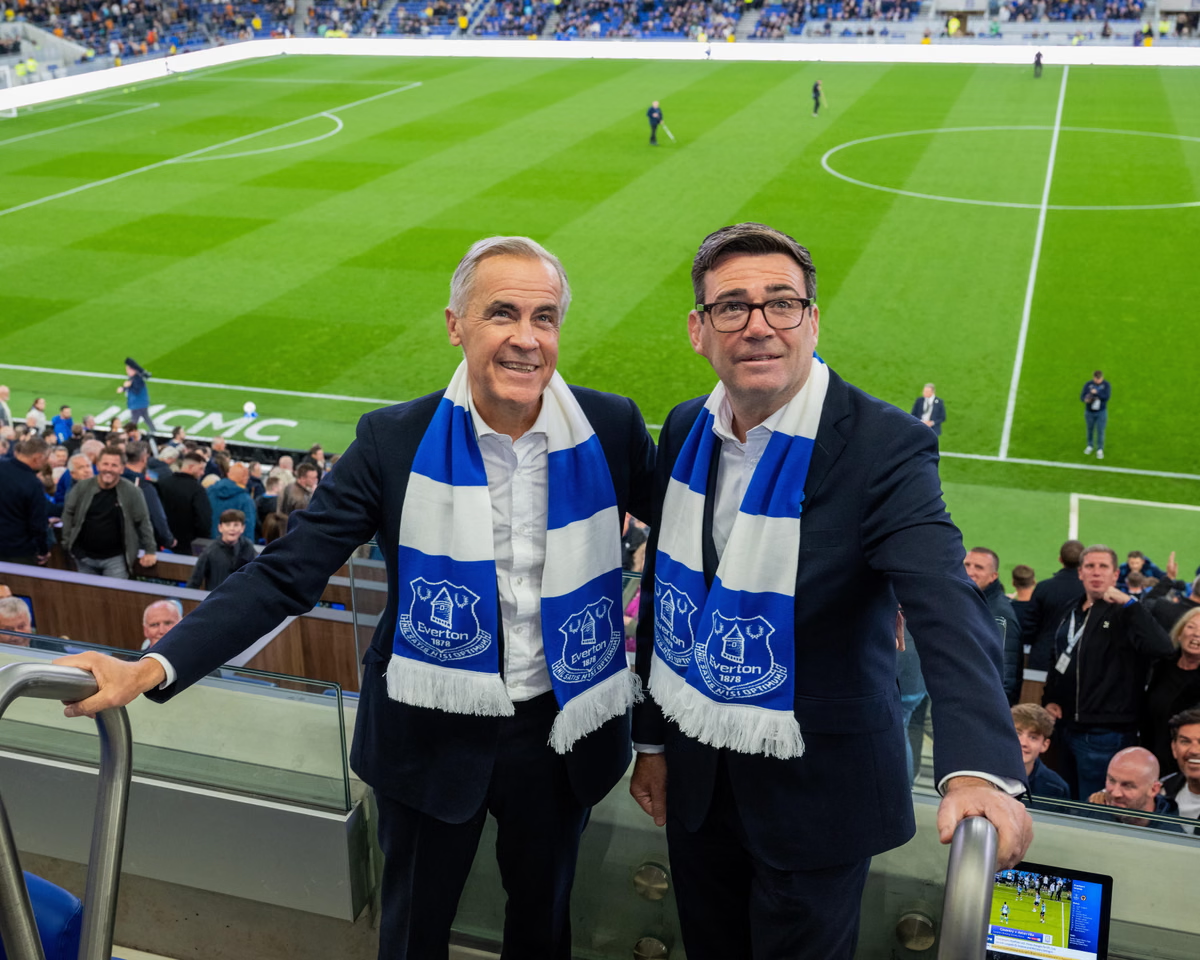
Prime Minister Andy Burnham has indicated his willingness to reconsider the decades-old ban on consuming alcohol within view of the pitch at football matches. A devoted Everton supporter who frequently attends games, Burnham described the existing measures as discriminatory. He argued that football fans are currently subjected to restrictions that do not apply to spectators of other major sports, such as rugby and cricket.
Addressing the current legislation—the Sporting Events (Control of Alcohol etc) Act 1985—the Prime Minister emphasized the need for a modern approach. He suggested that potential changes could be introduced on a trial basis. Burnham maintained that the current laws reflect a bygone era of the sport, asserting that it is fundamentally unfair to treat football supporters differently than fans attending other public sporting or entertainment events.
The proposal has drawn a sharp divide between governing bodies and law enforcement. The English Football League (EFL) expressed that they would be “receptive” to a legislative review, noting that current rules have failed to keep pace with modern advancements in stadium management, safety protocols, and professional stewarding. Similarly, Tom Greatrex, chair of the Football Supporters’ Association (FSA), welcomed the Prime Minister’s remarks. Greatrex argued that criminalizing fans for enjoying a drink during a match is outdated, especially since spectators can freely consume alcohol while watching other events like rugby league or music concerts.
Conversely, the UK Football Policing Unit (UKFPU) has urged caution. A spokesperson for the unit described the potential shift as “incredibly rash,” warning that authorities must fully evaluate the impact on crowd safety before proceeding. The UKFPU argued that alcohol often contributes to disorderly behavior in a minority of football crowds—a dynamic they claim is less prevalent in other sports. They pointed to the relative stability of the game since the implementation of safety reforms following the 1990 Taylor report, expressing a strong desire to consult with the Prime Minister to highlight the potential challenges of deregulation.
The broader conversation regarding stadium alcohol consumption gained momentum following a 2021 fan-led review of football governance, which recommended piloting alcohol sales in lower-tier English leagues. Recent developments in the women’s game have also provided a template. Since the start of the current season, Women’s Super League and WSL2 matches have allowed fans to drink within view of the pitch. This shift followed a successful 18-month trial, leading to a regulatory change this summer.
Data from these recent changes shows that 25 of the 26 clubs across the two divisions of English women’s football have implemented the option for home supporters. The sole exception is Brighton & Hove Albion during games at Crawley’s Broadfield Stadium, though the club permits such sales at their home ground, the Amex Stadium. While authorities continue to monitor these developments, women’s matches have historically experienced fewer incidents of fan-related disorder than the men’s professional game. The report also notes that saying it is discriminatory and out of date, harking back to an era when football violence was fuelled by drinking within view of the pitch, burnham has long opposed the ban. The report also notes that asked by reporters on the plane to New York about lifting a ban, Burnham said: “I don’t think it’s fair for football fans to be singled out in that way and I made that point. The report also notes that and I do believe there is a case to remove that discrimination. The report also notes that “There are different ways it could be done, perhaps on a trial basis. The report also notes that but I’m not going to back away from what’s been a long-held view of mine.