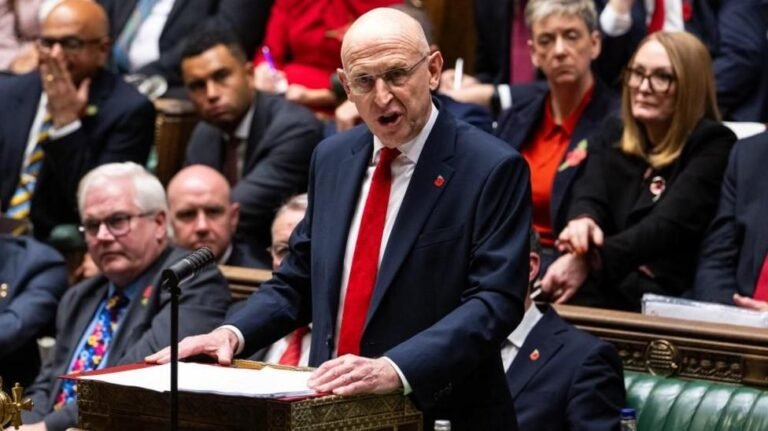
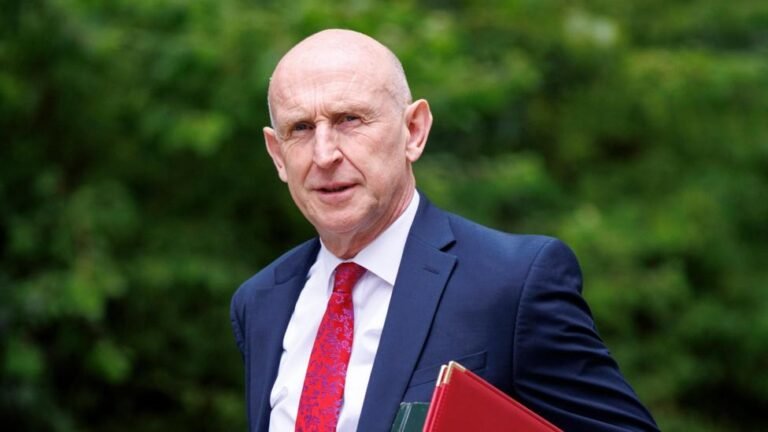
Chancellor John Healey is currently engaged in discussions with Canadian officials regarding potential British membership in a new global defence, security, and resilience bank (DSRB). The proposal seeks to assist allies in rearming amid rising international security threats, marking a significant policy shift just weeks after the project faced rejection from former Chancellor Rachel Reeves.
As defence secretary, Healey was a vocal supporter of maintaining UK observer status at talks led by Canadian Prime Minister Mark Carney, despite efforts by the Treasury to discontinue such international engagement. Now at the helm of the Treasury, Healey is reviewing the bid to join the initiative. He met with Canadian Finance Minister François-Philippe Champagne at a G20 summit in North Carolina two weeks ago, and the two are scheduled to hold further discussions in the UK this week, with another meeting expected at EU finance talks in Dublin.
The Canadian government has extended a formal invitation for the UK to become a founding member of the bank, a group that currently includes eight other nations, such as Ukraine and Turkey. The DSRB aims to raise approximately €100 billion to provide low-cost lending to governments and contractors for defence projects, while also offering guarantees for lenders financing smaller, riskier firms. For the UK, joining would require an initial capital contribution estimated between £1 billion and £2 billion spread over three years.
Projected Financial Impact and Strategy
- Capital Commitment: UK participation would require £1bn to £2bn over three years.
- Operational Goal: The DSRB aims to raise €100bn for low-cost defence financing.
- Procurement Benefits: The Multilateral Defence Mechanism (MDM) could reduce UK procurement costs by up to 20%.
Previously, Reeves expressed skepticism about the bank, arguing that it focused too heavily on smaller firms in nations with lower credit ratings rather than addressing specific UK procurement challenges. The UK has maintained a AA credit rating since 2016. Furthermore, there have been lingering Treasury concerns regarding the fiscal strain of committing capital to multiple international schemes.
In July, at a Nato summit in Ankara, Reeves launched the Multilateral Defence Mechanism alongside the Netherlands, Finland, and Poland, with the UK committing £600 million. This rival scheme focuses on procurement efficiencies and improved stockpiling. Healey has previously advocated for merging such competing international financing mechanisms to ensure a more unified, efficient approach for all participating nations.
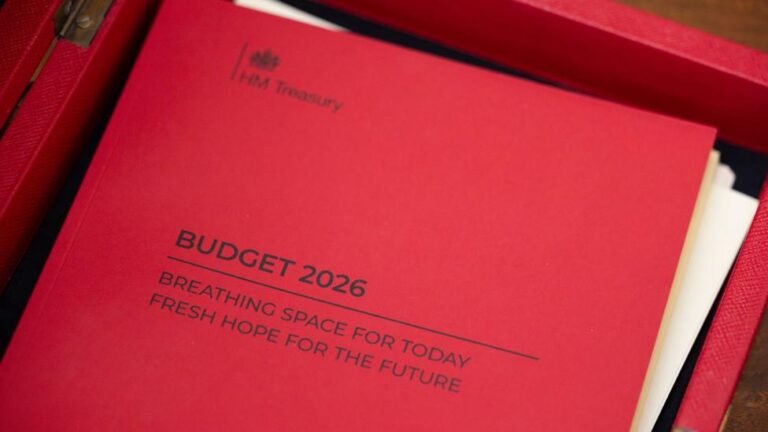
Healey’s current approach to the budget includes a plan to establish a pathway toward reaching 3% of GDP for defence spending by the 2027 spending review, avoiding a fixed target in next month’s budget. His previous resignation as defence secretary in June followed a conflict with Keir Starmer and Reeves over a £13 billion shortfall in the defence budget, which he claimed jeopardized national security.
A government spokesperson confirmed the ongoing commitment to bolstering defence industrial capacity: “We are fully committed to working alongside our international partners to scale defence industrial capacity. We are working closely with our Canadian allies on ensuring the Multilateral Defence Mechanism and Defence Security Resilience Bank are complementary.” The report also notes that when the two men are – according to sources – likely to discuss the defence bank, and both are expected to be at EU finance minister talks in Dublin later this week, they are due to meet again in the UK this week. The report also notes that accusing Keir Starmer and his chancellor, Reeves, of putting the country’s security at risk because the defence spending package fell £13bn short of what he argued was required, healey resigned as defence secretary in June. The report also notes that separate from the balance sheets of already indebted nations, to boost defence investment, the DSRB could play a role in this by using financial leverage.
Key Job Details
- The report also notes that exclusive: Britain is understood to have been formally invited to become founding member of multilateral lender.