New York City’s rental market has become increasingly prohibitive for young workers early in their careers. According to data from StreetEasy, the median asking rent hit $4,200 in July 2026—a 30% increase compared to July 2019. In Manhattan, the cost is even steeper, with a median asking price of $4,995. For comparison, the national median rent stood at $1,388 per month as of July 2026, as noted by Apartment List. As wage growth fails to keep pace with inflation and the housing supply remains at a historic low, many residents are exploring unconventional living solutions to survive.
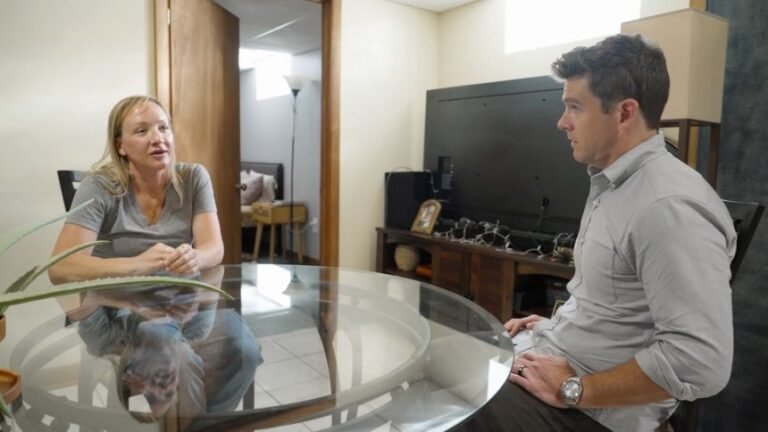
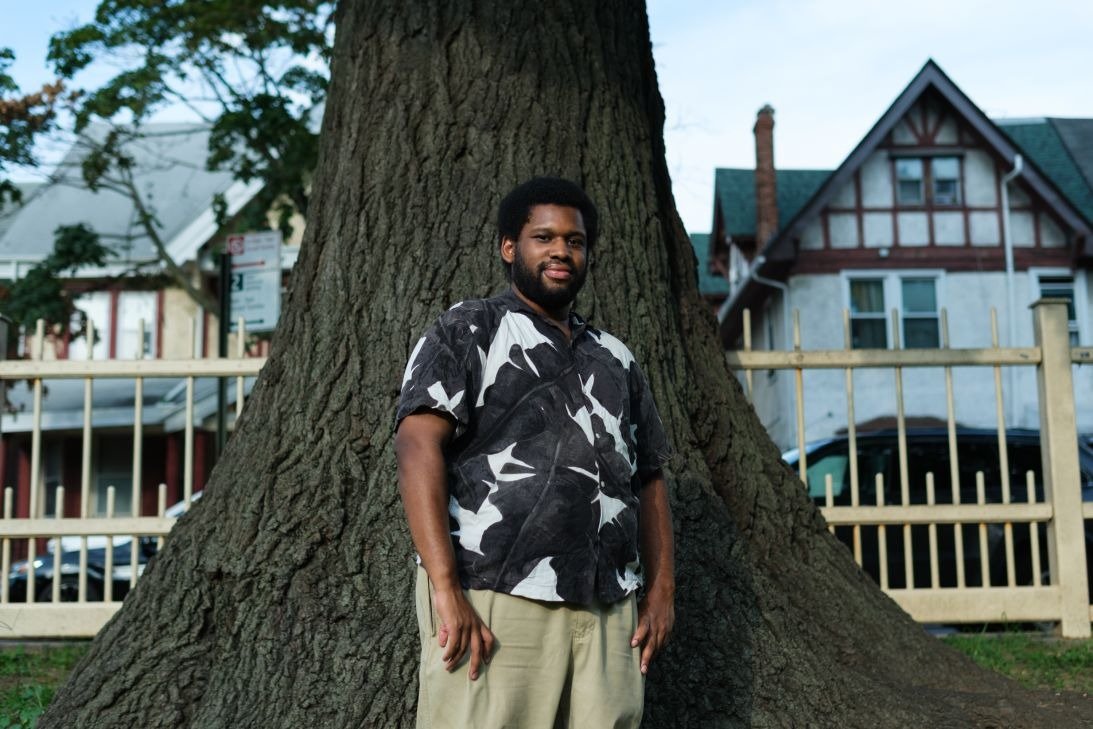
Charles Jones III, a 25-year-old in need of affordable housing after his Manhattan internship, found an unexpected solution through the New York Foundation for Senior Citizens (NYFSC). He was matched with a senior homeowner in Jamaica, Queens, where he now lives in a private second floor for $800 a month. While the arrangement includes guidelines such as shoveling snow and avoiding overnight guests, Jones finds the setup beneficial. He noted that the experience reminds him of family life in Boise, and he hopes the savings will help him eventually pay off student loans and secure his own apartment.
The NYFSC program, which connects younger people with seniors who have extra space, has seen rising demand. Linda Hoffman, the foundation’s CEO, explained that the initiative, which once served only seniors, was expanded to include younger residents who struggle to find affordable housing. Statistics show the program’s popularity among younger demographics is growing; matches involving people 30 or younger rose from 16.1% in the 2023-24 fiscal year to 20.4% in the year ending June 2026. Data provided shows the average monthly fee charged by hosts in this program is $1,108, which is significantly lower than typical city market rates.
Economic pressure in the city is widespread. A 2024 report from the New York City Comptroller’s Office indicated that a majority of New Yorkers are rent-burdened, meaning they allocate over 30% of their gross income to housing and utilities. To avoid this status in Manhattan based on July 2026 median rents, a household would require an annual income of approximately $199,800.
These financial constraints have turned alternative housing into a popular topic on social media. William Swanson, a 22-year-old from Massachusetts, gained millions of views on TikTok after documenting his time living with an elderly roommate in Midtown East. Facing a tight search where short-term rentals were priced at $2,500 or more, he opted to pay $1,900 for a room in the home of Aleyda, a 70-year-old woman. Swanson stated that while the price was high, the experience of living with a “lovely, nice older woman” provided safety and comfort he couldn’t find elsewhere.
Others have turned to religious institutions to cut costs. Katie Rettig, 32, utilized Google to locate convents for housing when she needed to move into the city quickly. Her first stay was at Sacred Heart in Chelsea, costing $1,500 a month, followed by a year-long stay at Saint Mary’s Residence on the Upper East Side for $1,100 monthly. While these locations maintained rules like a 10 p.m. curfew and prohibited male guests, the communal living environment provided consistent savings. Rettig expressed that living in such spaces allowed her to prioritize her budget for necessities and travel, noting that residing with people who lead different lives provided a unique perspective.
As these unconventional living situations become a more common strategy, young professionals like Jones and Rettig continue to prioritize long-term financial stability over traditional rental paths. For many, these arrangements serve as a vital bridge to eventually establishing their own independent households in the city. The report also notes that so, Jones, who is 25, turned to an option he never expected: moving into the home of a woman about 50 years older than him. The report also notes that but there’s a catch: one roommate must be at least 60 years old, the monthly costs are typically lower than traditional rents in New York City. The report also notes that then there were the security deposits and added fees that could add thousands more to move-in costs. The report also notes that but affording a place to live is increasingly a challenge, young people continue to flock to New York for its vast job market and opportunities. The report also notes that can’t have overnight guests and can’t bring in his own furniture, he agreed to a few ground rules: He has to clean up after himself.