For months, I immersed myself in economic data, testing a theory that the cost-of-living crisis was doing more than just making life expensive—it was fundamentally altering the structure of American life. To move beyond the spreadsheets and poll-tested talking points, I traveled 5,000 miles across four cities, conducting three dozen interviews to document the reality behind the numbers. The result is a portrait of families grappling with a system where hard work no longer guarantees stability.
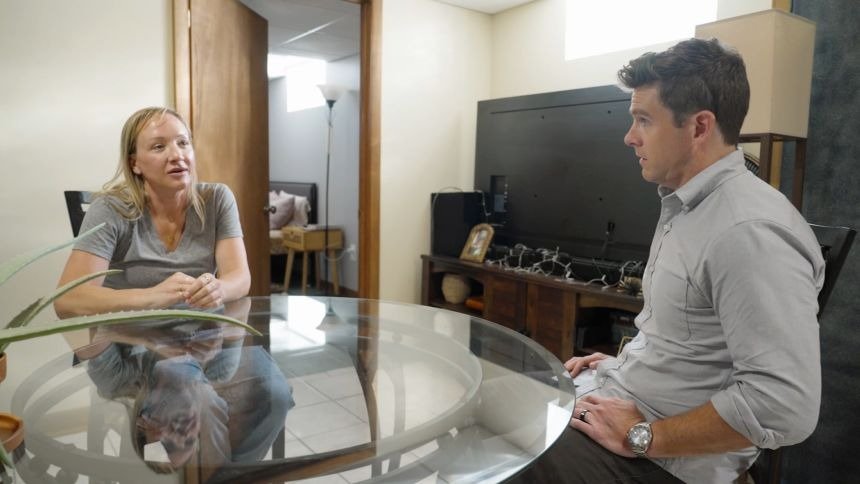
In Parma, Ohio, Jolene Simecek, a 42-year-old single mother who has worked since she was 13, shared the harsh reality of her housing situation. After taking on $15,000 in debt to pursue nursing school, she found her rent for the same unit had surged from $785 to nearly $1,600 over seven years. Reflecting on her financial journey, she noted, “I’ve already paid a quarter million dollars in rent in my life. I should already have the home with the equity paid off.” She expressed a sentiment shared by many: a feeling that despite her best efforts, the math simply refuses to work in her favor.
The economic landscape remains bifurcated. While the stock market hits record highs and corporate earnings remain robust, those with modest means are finding the path to economic mobility increasingly obstructed. This divide is not merely a financial issue; it is a defining feature of the current American experience. The crisis is rarely triggered by a single event, such as a flat tire or an emergency room visit, but rather by the relentless, compounding climb of major expenses like housing and childcare.
In the suburbs of Boston, Greg and Audrey Dunn, working parents earning $150,000 annually, face a childcare bill that consumes six to seven times the cost of their mortgage for their three children under four. Meanwhile, in Atlanta, the city’s celebrated economic growth, visible in projects like the Beltline, feels disconnected from the struggles of residents like Mayra Martinez, who views the development as a symbol of her own displacement.
For others, the struggle is even more precarious. Phebie White, 68, has seen her rent rise from $850 to $1,250 over a decade while her Social Security income remains stagnant. She keeps her car insurance paid above all other bills, fearing she may one day need to sleep in her vehicle. Similarly, Elen Trosino, a nurse, spoke of the immense difficulty in securing stable housing, noting that while finding a room might be possible, the upfront costs of security deposits and down payments remain insurmountable barriers.
These conversations revealed a profound sense of resilience among those facing daily pressures that would buckle many others. Despite the systemic hurdles, the individuals I interviewed remained remarkably open about their lives, sharing their fears and feelings of failure with extraordinary candor. As Jolene told me while staying in her sister’s basement, she continues to bet on herself, hoping that her sacrifices in nursing school will eventually pay off and allow her to secure the home and retirement she has worked so hard to achieve.
Ultimately, these stories challenge the notion that the current economic climate is merely a temporary fluctuation. The structural weaknesses in the economy are creating a brittle architecture that leaves many families, regardless of their background, profession, or political affiliation, feeling that the American dream is slipping out of reach. The weight of these conversations—the moments of silence and the raw honesty of those I met—serves as a stark reminder that behind every economic indicator is a person trying to navigate an increasingly difficult reality. The report also notes that a Reporter’s Notebook from four cities, 5,000 miles, three dozen interviews and the people I can’t stop thinking about. The report also notes that we were a few minutes into a drive when Jolene Simecek said something that left me speechless. The report also notes that she was steering me through Parma, Ohio, narrating the new subdivisions as they slid past — block after block of brand-new homes she’s made her peace with never owning. The report also notes that around here, she said, they don’t last on the market long enough to put in an offer. The report also notes that her parents never built the kind of wealth you hand down. The report also notes that so you rent, and you work harder — 16-hour days, never home — and the math still won’t move. The report also notes that “What kind of pressure does that put on you?” I asked.