
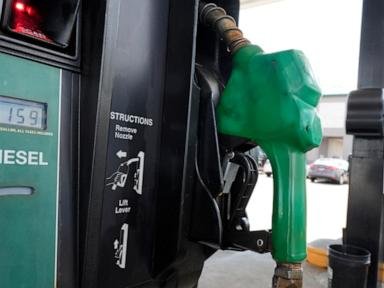
U.S. diesel prices reached a new record on Friday, climbing past an average of $6 per gallon. This sharp increase is largely attributed to the ongoing conflict between Washington and Iran, which has significantly disrupted the global flow of fuel and energy supplies.
Data from the motor club AAA indicates the national average has hit $6.05, a notable rise from $5.85 just last week and a sharp jump from the $3.70 recorded at this time last year. Regular gasoline prices have also felt the impact, averaging $4.29 per gallon on Friday, up from $2.98 before the conflict began.
The surge in fuel costs is closely tied to the price of crude oil, which recently climbed above $100 a barrel for the first time in months as hostilities between the U.S. and Iran intensified. President Donald Trump has suggested that oil prices are unlikely to stabilize until after the midterm elections in November, despite his previous efforts to minimize the economic fallout of the conflict he helped initiate.
American diesel prices are currently more than 60% higher than they were prior to the late February military engagement between the U.S., Israel, and Iran. During that period, the national average was approximately $3.76 per gallon. Supply chain bottlenecks, particularly tanker traffic congestion in the Strait of Hormuz, have exacerbated these price hikes.
The global energy landscape remains volatile. The International Energy Agency reported that Saudi oil production dropped to a thirty-year low last month due to Houthi attacks on energy infrastructure. Furthermore, the conflict in Ukraine has compounded these issues; intense attacks on Russia’s refining system have nearly halted the country’s product exports, according to the agency.
S&P Global Energy projects that crude oil production in the Middle East will not return to pre-war levels by the end of 2027. Jim Burkhard. Jim Burkhard, the firm’s vice president and global head of crude oil research, noted that the market is adjusting to a new normal characterized by persistent security and logistical challenges that limit oil flows.
While historical inflation-adjusted prices—such as the 2008 peak of $7.20 in today’s dollars—remain higher, the current surge is placing significant pressure on the economy. Diesel is critical to global commerce, powering the trucks, trains, and farm equipment essential for moving food and consumer goods. Because diesel demand is less flexible than gasoline, the impact of these price hikes is particularly acute.
The Independent Grocers Alliance, representing 7,500 supermarkets, notes that fuel accounts for 15% to 30% of total food costs. While these increases often take time to reach the consumer, they are becoming increasingly visible. David Ortega, a professor of food economics and policy at Michigan State University, explains that perishable items like meat and produce are often the first to see price hikes due to their reliance on frequent refrigerated transport.
In July, U.S. grocery prices were up 2.7% compared to the previous year, with seafood prices rising 7% and fresh produce up 4.9%. Although some price fluctuations are influenced by other market factors, the sustained cost of diesel is expected to keep upward pressure on retail prices as freight contracts are renegotiated and fuel surcharges become more prevalent.
Major logistics firms, including Amazon, FedEx, UPS, and the United States Postal Service, have already implemented fuel and logistics surcharges to offset rising operational expenses. These costs eventually filter down to consumers across various sectors, including clothing, cosmetics, and furniture.
The global impact is widespread. According to Global Petrol Prices, diesel in Nigeria has surged over 90% since late February, reaching an average of $4.95 per gallon. In Hong Kong, prices have jumped nearly 26% during the conflict, averaging $17.78 per gallon as of Monday. The economic strain is expected to persist as long as diesel prices remain at these elevated levels. The report also notes that that’s because diesel is used for many freight and delivery networks. The report also notes that and some businesses have already passed along steeper costs to consumers in the form of added fees on online orders and packages in the mail. The report also notes that particularly in the grocery aisle, shoppers may feel more and more sticker shock. The report also notes that like meat and produce, face one of the most immediate strains of expensive diesel because they need to be hauled in and restocked frequently — or may be harvested using farm equipment powered by the fuel, perishable foods. The report also notes that but the surge in diesel prices doesn’t appear to be going away anytime soon. The report also notes that this week, both Brent, the international standard, and U.S. The report also notes that political ramifications may pile up in the meantime. The report also notes that oil has now renewed its climb as fighting once more escalates, despite some during hopes for peace earlier in the summer.