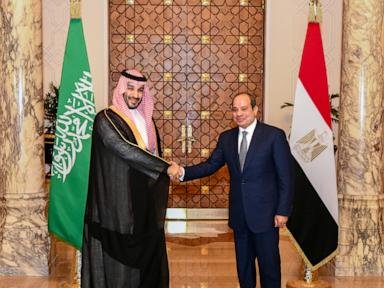
Saudi Arabia’s Crown Prince Mohammed bin Salman traveled to Cairo on Tuesday to secure political backing from Egyptian President Abdel-Fattah el-Sissi. The meeting comes as the Kingdom faces a surge in Houthi-led assaults that have crippled critical oil infrastructure and heightened instability across the Red Sea corridor.
The ongoing Houthi offensive has effectively opened a new front in the regional conflict. By gaining control over significant territory in Yemen—including the vital port of Mokha and three strategic islands near the Bab el-Mandeb Strait—the rebels have enhanced their capacity to disrupt vital maritime shipping routes. These advancements have effectively stalled traffic through the region, challenging the security of Saudi oil exports destined for Asian markets.
A critical blow to regional energy logistics occurred recently when a strike, reportedly launched by Iranian-aligned militias based in Iraq, damaged the East-West Pipeline. Regional officials confirm this infrastructure will remain largely shuttered for weeks to facilitate repairs. This closure is expected to remove several million barrels of daily oil output from the global market, further complicating the Kingdom’s economic and security landscape.
During their discussions, the two leaders issued a joint statement affirming their shared commitment to ensuring the freedom and security of maritime navigation within the Red Sea and the Bab el-Mandeb Strait. While Egypt’s president expressed unwavering support for the Kingdom, both sides remained silent on specific military commitments. Analysts suggest that while Cairo is unlikely to deploy troops—a move deemed diplomatically and militarily difficult—it remains a pivotal partner in rallying broader Arab support for Saudi actions.
The Saudi military currently faces a difficult strategic choice: whether to intensify its existing response or pursue a diplomatic resolution. Past efforts have proven complex, as the initial coalition formed in 2015 to combat the Houthis largely fractured due to internal friction and differing regional agendas. Furthermore, traditional allies like the United Arab Emirates have already withdrawn from the campaign, leaving Riyadh to handle the growing threat with limited international backing.
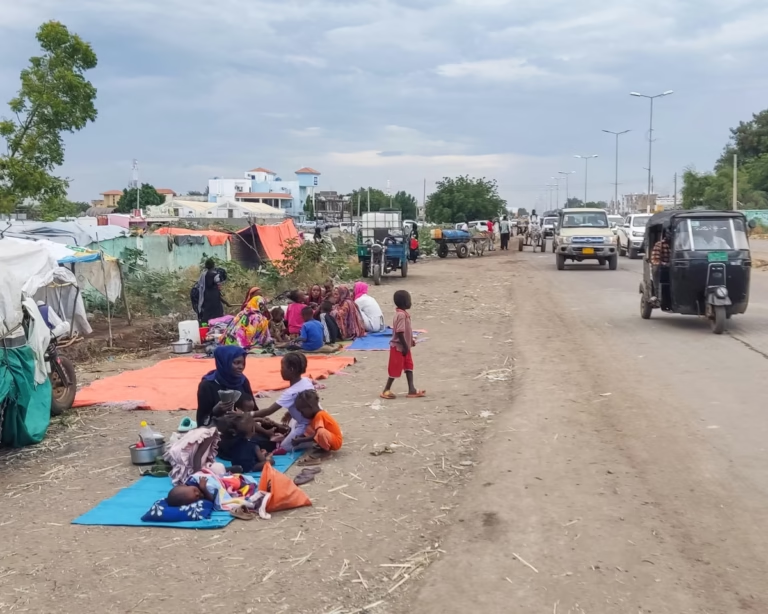
The humanitarian toll of the escalating hostilities is mounting. The World Health Organization reported that fighting between Houthi rebels and Saudi-supported factions resulted in over 500 deaths during the past week alone, marking a sharp rise from previous periods. Additionally, nearly 94,000 people have been displaced. Save the Children documented 117 civilian deaths between August 1 and September 9, including 19 children, with the first week of September recording the highest weekly casualty rate for children in the past year.
In a separate development, a spokesperson for the Houthi-run Health Ministry, Anees al Asbahi, alleged on Tuesday that Saudi airstrikes resulted in three civilian deaths, including two children, in Yemen’s Taiz province. These claims could not be independently verified. Meanwhile, the region remains on edge as Saudi military spokesman Maj. Turki al-Malki reported that Houthi missile and drone strikes in the southern part of the Kingdom wounded 13 civilians on Monday and caused significant damage to residential property and vehicles.
Early Tuesday, alert sirens sounded across multiple areas in Saudi Arabia, suggesting continued missile or drone activity. While the Kingdom continues to navigate this volatile environment, it must balance its security needs against the risk of reigniting a full-scale civil war that previously pushed Yemen toward the brink of famine and claimed approximately 150,000 lives. The report also notes that the vulnerability of the kingdom’s oil production was further underscored by an attack days ago that damaged its biggest pipeline. The report also notes that neither side gave firm details on any future steps. The report also notes that keeping open relations with all parties, including Iran and its allies, egypt has been at the center of mediation efforts in the last three years of turmoil in the region. The report also notes that which they have been attacking since late July, the gains have further improved the Houthis’ position to seal off the strait to Saudi shipping. The report also notes that the kingdom faces a potential decision about whether to step up its military response or seek a diplomatic solution, but as Houthi attacks continue. The report also notes that the United States, has been unpredictable and sometimes unreliable, the Saudis’ most essential ally. The report also notes that president Donald Trump seems reluctant to widen an already unpopular and stalemated Mideast war ahead of congressional elections.