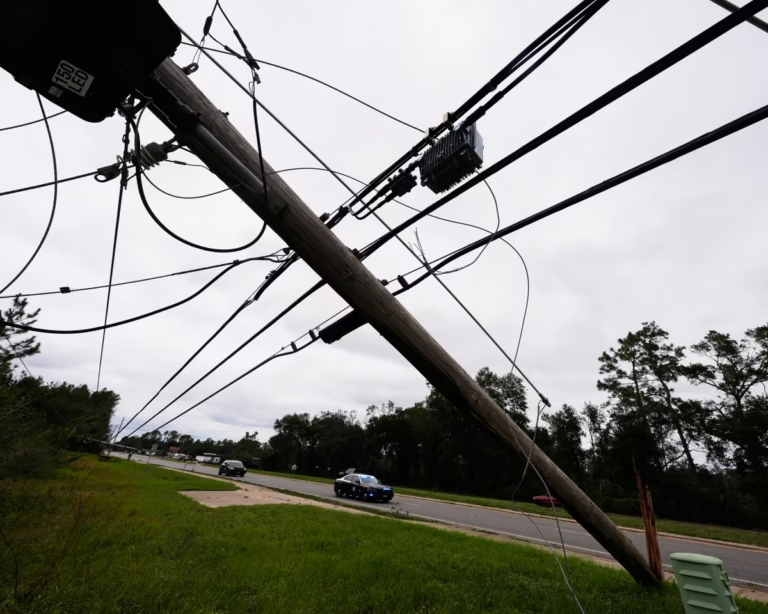
A coordinated drone strike by Sudan’s paramilitary Rapid Support Forces (RSF) hit five power stations in the east of the country, triggering widespread blackouts across the region, a government official confirmed on condition of anonymity.
The strikes targeted infrastructure in territory controlled by the Sudanese army, which has been locked in conflict with its former RSF allies since April 2023. The official noted that two facilities were hit in Al-Jazira, two in Gedaref, and one in White Nile state, resulting in extensive power outages.
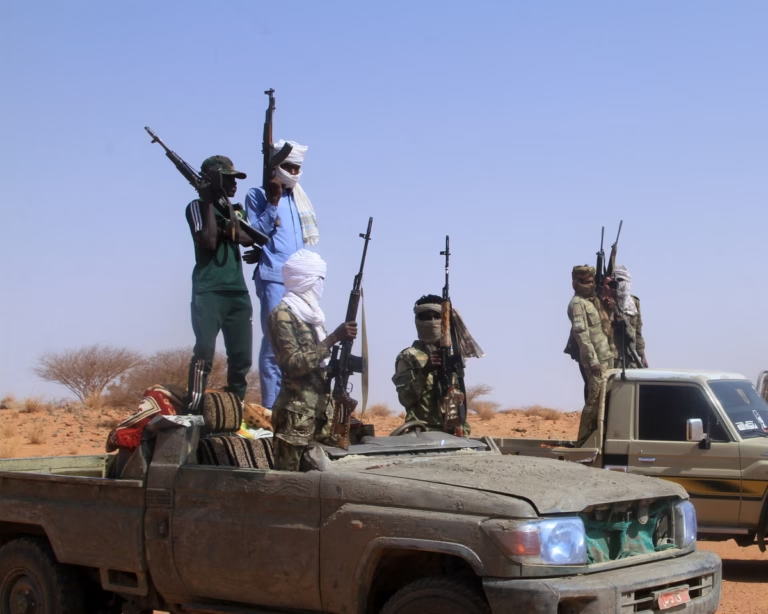
Repeated targeting of power installations and hydroelectric dams with drones has previously left entire areas without electricity for days. Drones have become the primary weapon in the ongoing conflict, with both sides carrying out strikes that frequently kill dozens of civilians. With both sides launching sophisticated attacks across the country, killing dozens of civilians at a time, sudan’s war is currently being fought primarily via drones.
The United Nations has issued repeated warnings that frequent destruction of electrical infrastructure jeopardizes critical services and healthcare for millions of citizens already enduring the world’s most severe hunger crisis. UN figures indicate that drone strikes killed more than 300 people and injured hundreds more during the first three weeks of October alone.
Local residents expressed deep concern over the disruption. Babiker Youssef, a resident of Al-Fao in Gedaref state, shared over the phone that power had been cut since early morning. He expressed anxiety for his diabetic son, whose insulin requires refrigeration, fearing the medication would spoil before power returned.
In Al-Jazira’s town of Al-Junaid, 54-year-old farmer Abdelhafez Daafallah voiced frustration after spending nearly four years unable to tend his fields. He explained that electricity had only begun improving three months prior after a previously destroyed power station was repaired, raising hopes that irrigation pumps would operate again before the latest strike occurred. Local farmers have struggled to restore their lands since the army retook Al-Jazira from the RSF last year. “We hoped we would be able to finally get back to farming, but now the station has been hit,” he said, frustrated after nearly four years unable to work his land.
Economic pressure is compounding the crisis across the nation of 50 million people. Ibrahim Mohammed, a 37-year-old grocer in Gedaref, mentioned that he had already been enduring hours of daily load-shedding before the attack. He worried that poultry stored in his refrigerator would spoil, forcing him to sell it off at severe losses. Sudan is simultaneously facing extreme inflation alongside a currency depreciation of over 25% in recent weeks. According to to the east, in Gedaref, Ibrahim Mohammed, 37, a grocer,, He was “already facing power cuts for hours before the strike”. “Now I have chicken in the fridge, we either lose our entire stock, or will be forced to sell it off at any price, which is still a loss,” he said.
The overall toll of the war remains devastating. Aid organizations estimate that over 200,000 people have died in Africa’s third-largest country. A majority of Sudanese hospitals are non-operational, at least 8 million children are unable to attend school, and vast swathes of the population are left without access to essential services.