France and the United Kingdom have deployed military assets to Saudi Arabia, deepening their defence ties with the kingdom as its conflict with the Houthis in Yemen escalates.
Paris stated last week that it had begun dispatching assets under a previously agreed pact, after President Emmanuel Macron committed troops and air defence systems to protect the Red Sea port city of Yanbu, which has faced attacks from the Iran-backed group.
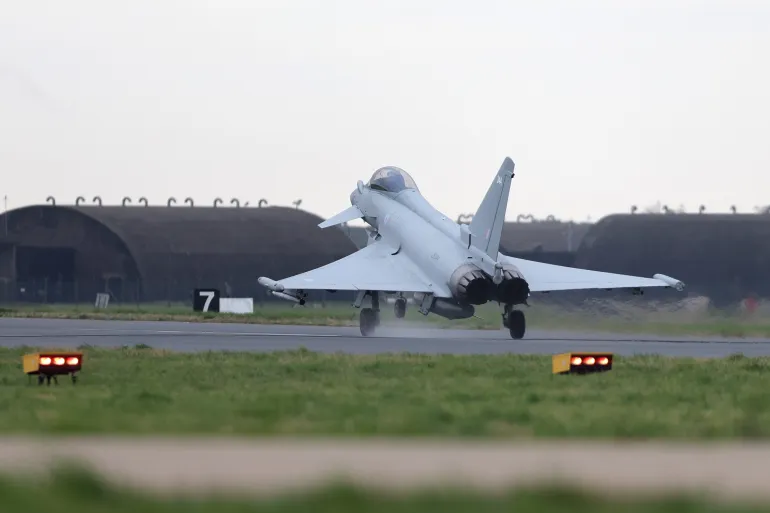
Meanwhile, the United Kingdom announced plans to deploy fighter jets to help shield the kingdom from ongoing aerial strikes, with both European states maintaining that their military support is strictly defensive.
Analysts note these deployments serve multiple geopolitical objectives, including safeguarding oil exports vital to European markets, strengthening Gulf alliances amid US reluctance to offer direct military backing, and bolstering deterrence against future attacks.
However, experts warn that the involvement could draw European nations deeper into the protracted Saudi-Houthi conflict.
Burcu Ozcelik, a senior research fellow for Middle East Security at the Royal United Services Institute, cautioned that insufficiently deterred Houthis might test Saudi Arabia’s defensive resolve and attempt to drag its allies further into the confrontation.
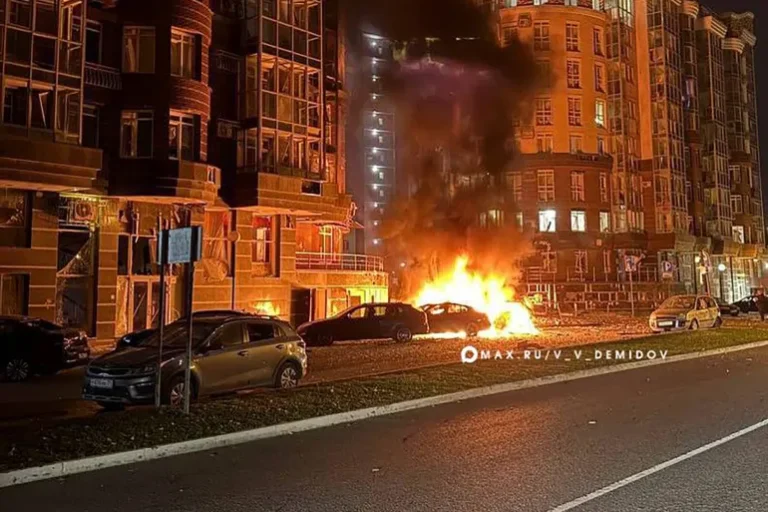
The European military measures arrive during a sustained campaign of Houthi drone and missile strikes targeting Saudi energy and transport infrastructure.
According to Saudi-led coalition spokesman Turki al-Maliki, recent Houthi attacks targeting airports in Riyadh and Abha this month resulted in 19 deaths and injured more than 300 individuals.
Addressing the enhanced British military backing, UK Defence Secretary Wes Streeting condemned the recent strikes as absolutely despicable, specifically highlighting the targeting of Riyadh airport. According to ozcelik, The recent British move was “not insignificant”, but its deterrent impact was not immediately clear.
The UK Ministry of Defence confirmed it would deploy Typhoon fighter jets to execute defensive counter air missions, dispatch military advisers to collaborate with Saudi staff officers, and provide an A400M transport aircraft for moving defence materials within the country.
Macron stated that French assistance would comprise soldiers, radars, and defence systems, though the exact scale of the deployment was not specified.
Urban Coningham, another RUSI research fellow, highlighted distinctions between the two European missions, noting that French efforts focus primarily on protecting export infrastructure, whereas British forces will conduct defensive patrols to intercept incoming missiles and drones, alongside air-to-air refuelling support for Saudi jets.
Camille Lons from the European Council on Foreign Relations explained that French contributions remain constrained by domestic defence demands stemming from the war in Ukraine, yet Paris views the assistance as a crucial demonstration of crisis support and partnership building.
Saudi Arabia has struggled to translate certain security partnerships into high-level military assistance, making the European deployments a welcome development for Riyadh.
Reports indicate US President Donald Trump declined multiple Saudi requests in September to participate in direct strikes against the Houthis, agreeing solely to furnish intelligence and targeting support.
While Turkiye and Pakistan committed to collective deterrence measures under the Mecca defence pact, the agreement still requires ratification in Turkiye, and Egypt’s parliament has postponed a vote authorizing military support for Riyadh.
Nawaf Obaid, a senior fellow at King’s College War Studies Department, described the UK and French deployments as militarily valuable and politically significant, stating they help shield Saudi territory from persistent air raids while enabling Riyadh to focus assets on offensive operations.
Obaid noted that British Typhoons reinforce air defences and free up Saudi Eurofighters for offensive missions, while French contributions remain vital for safeguarding Yanbu, emphasizing that the kingdom possesses a powerful combat aircraft fleet and requires defensive coverage rather than foreign air strike assistance.
Ozcelik questioned whether UK air missions would successfully deter sustained attacks while Saudi interceptor stockpiles face severe strain, noting the critical distinction between deterrence and interdiction.
Coningham warned that the Houthis might interpret European involvement, particularly British air support, as offensive rather than defensive, potentially classifying European nations as belligerents and targeting their forces.
Such perceptions could lead to Houthi strikes against British personnel stationed in the region or prompt a reversal of their policy allowing free transit for non-Saudi vessels in the Red Sea.
Coningham added that any direct casualties sustained by British or French forces would likely trigger fierce political debates within those nations regarding potential retaliation. According to “Whether it’s a direct attack planned by the Houthis or collateral damage, if the British or French have any casualties … then there becomes a pointed debate in those countries as to whether they should then retaliate,”, Coningham.
Ozcelik also cautioned that the UK could face mounting pressure to adopt a more aggressive posture should a mass civilian casualty event occur or debilitating strikes target Saudi energy infrastructure, though London would likely treat such scenarios as a last resort.
Both analysts concluded that neither the UK nor the signatories of the Mecca pact have any inclination to become entangled in a deeper, protracted conflict inside Yemen.