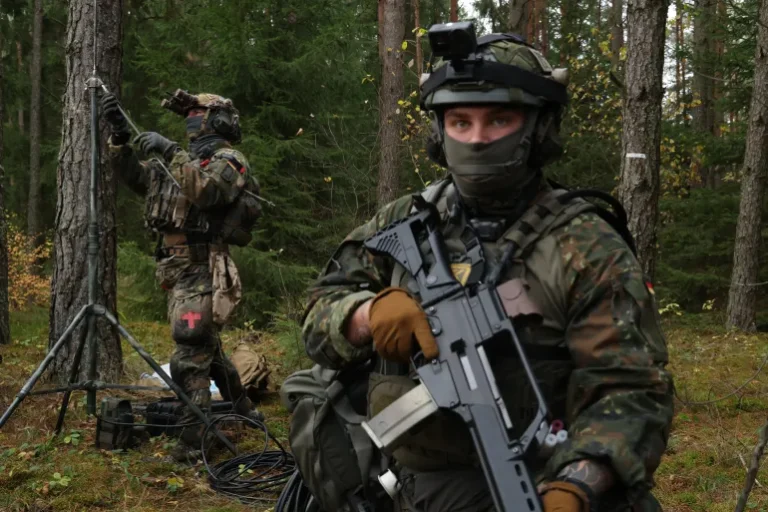
Fears of a catastrophic return to civil war have gripped Ethiopia following a new offensive by Tigrayan forces into the neighboring regions of Afar and Amhara. This escalation coincides with the formation of the Ethiopian Peoples’ Forces Alliance for Survival, a coalition of seven armed groups committed to deposing the government of Prime Minister Abiy Ahmed.
The conflict, which claimed an estimated 600,000 lives between 2020 and 2022, is currently facing its most significant challenge since the 2022 Pretoria agreement. While that pact established an uneasy calm, tensions began to boil over late last year, leading to the current state of open hostility. TPLF vice-president Amanuel Assefa explicitly stated that the region is now in a state of full-blown war. About 600,000 people died between 2020 and 2022 during a devastating war between the Ethiopian army and the political party and paramilitary group the Tigray People’s Liberation Front (TPLF).
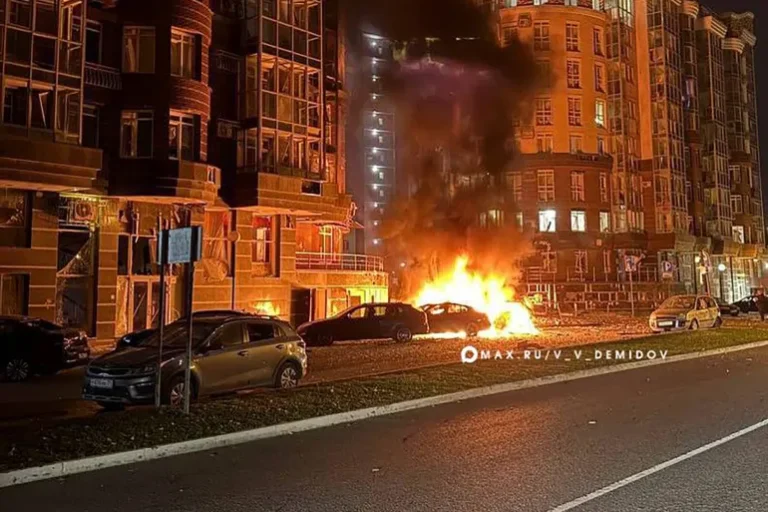
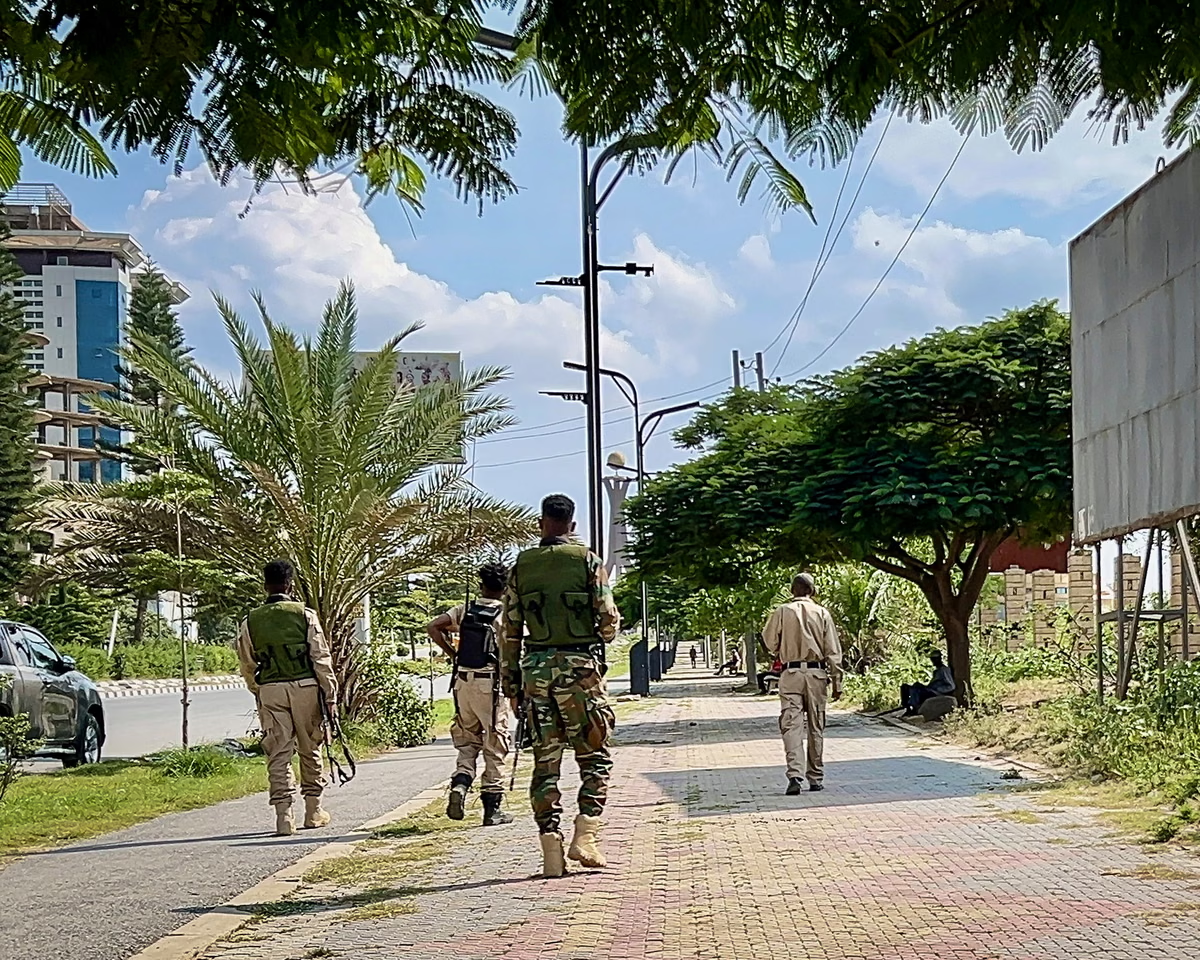
In recent days, the TPLF seized control of three airports from federal police, prompting state carrier Ethiopian Airlines to suspend all flights to the area due to the current situation. Humanitarian reports indicate heavy artillery fire in Afar as rebel forces attempt to capture Yallo, a town near the Tigrayan border. Additional fighting has been observed near the Amhara town of Weldiya, a critical route leading to the capital, Addis Ababa. According to the group took control of Abala, also on the Tigray-Afar border, on Wednesday, a foreign security source based in Ethiopia told AFP, while a TPLF source, They had seized several other towns in Afar.
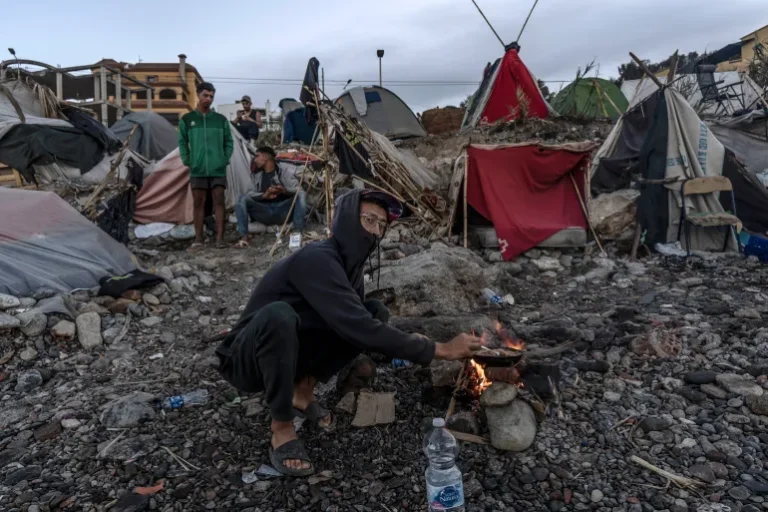
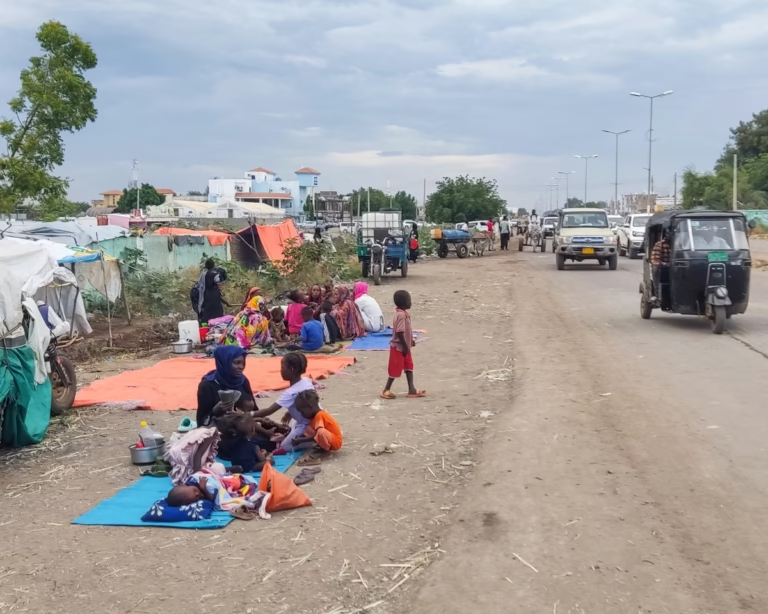
The humanitarian impact is already becoming severe. Residents in cities like Adigrat are reporting empty market shelves, panic-buying, and a critical lack of essential medicines. One local resident noted that food shortages are worsening and daily survival has become a constant calculation, raising concerns that the region could return to the famine-like conditions seen during the previous blockade.
Ethiopia’s military reported on Thursday that it successfully repelled several attacks, claiming to have neutralized more than 500 enemy fighters. Meanwhile, government spokesperson Billene Seyoum alleged that the rebel alliance has been operating with financial backing from Eritrea, a claim Assefa denied, stating that the group has no information regarding Eritrean plans at this time. According to in its first public comments on the fighting, Ethiopia’s army, On Thursday it had foiled the attacks and killed, wounded or captured more than 500 enemy fighters. Which fears landlocked Ethiopia is planning to invade its territory to gain access to the Red Sea, analysts say the TPLF has support from Ethiopia’s neighbour and historic adversary Eritrea. He said: “Not yet.”, asked if they would request Eritrean intervention.
At the United Nations General Assembly on Wednesday, Ethiopian President Taye Atske-Selassie Amde condemned the rising violence, criticizing what he described as interference by adversarial elements. He maintained that the government has exercised immense restraint while attempting to foster peace with its neighbors.
The geopolitical ramifications are significant, as the new alliance incorporates former government allies, such as the Fano insurgency, fundamentally shifting the dynamics of the 2020-22 conflict. This instability threatens to spill over into a broader regional crisis, potentially further destabilizing an area already strained by the war in neighboring Sudan and ongoing maritime tensions along the Red Sea.
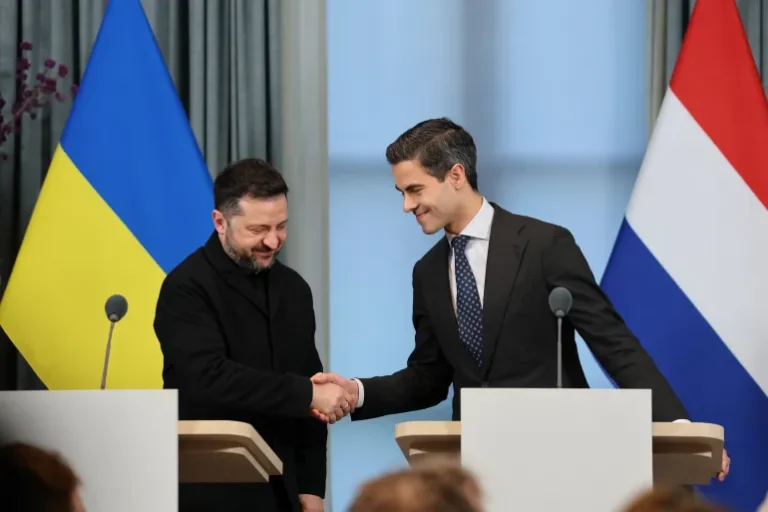
International stakeholders are urgently calling for a de-escalation of the conflict. African Union chair Mahmoud Ali Youssouf has urged all parties to exercise utmost restraint and return to direct negotiations. Similarly, an official spokesperson for the European Union issued a call for an immediate ceasefire and a renewed commitment to the terms established by the Pretoria agreement.
Historically, the TPLF held power in Ethiopia from 1991 until 2018, before being displaced by the rise of the current administration. As the conflict intensifies, observers fear that the cycle of violence will again leave millions isolated, mirroring the communication blackouts and resource restrictions that defined the previous years of intense fighting.