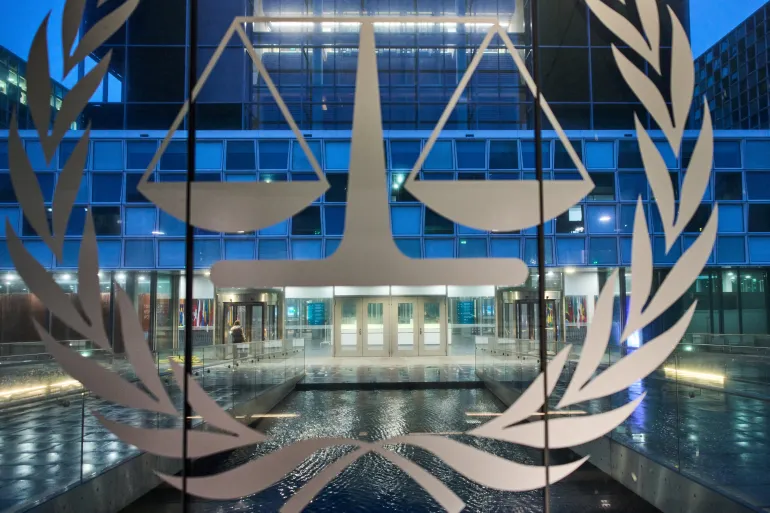
The International Criminal Court (ICC) currently faces a critical existential threat as pressure mounts from the Trump administration to dismantle its foundational legal reach. There are growing indications that member states are contemplating amendments to the Rome Statute to appease US demands, a development Amnesty International Secretary General Agnes Callamard has characterized as a dangerous step toward constructive dialogue with the White House. According to it would take more than a few, To change the ICC’s jurisdiction, but it is notable that none of the 125 member states has come out and explicitly stated that the Rome Statute is not up for negotiation – especially when the court and its supporters are being held over a barrel by the Trump administration. More than anyone, that the US has gone all-out in its ambitions to crater the ICC, it is for “Bibi”.
The Netherlands, which hosts the court, has confirmed it is engaged in secret negotiations with the US, though Dutch Foreign Minister Tom Berendsen has declined to provide specific details regarding the substance of these talks. The Trump administration has imposed a six-month grace period on the court, threatening crippling sanctions unless member states demonstrate meaningful progress in adopting diplomatic and legal resolutions that align with Washington’s preferences.
At the center of this dispute is the US demand to alter the Rome Statute to ensure that citizens of non-member states are shielded from ICC jurisdiction, regardless of where their alleged crimes occur. This demand fundamentally undermines the core principle that the court may investigate genocide, war crimes, and crimes against humanity committed on territories falling under its mandate. Despite claims that these attacks are intended to protect Americans, the reality is that the ICC has already moved to close investigations into alleged US actions in Afghanistan, signaling that US citizens are effectively outside the court’s scrutiny.
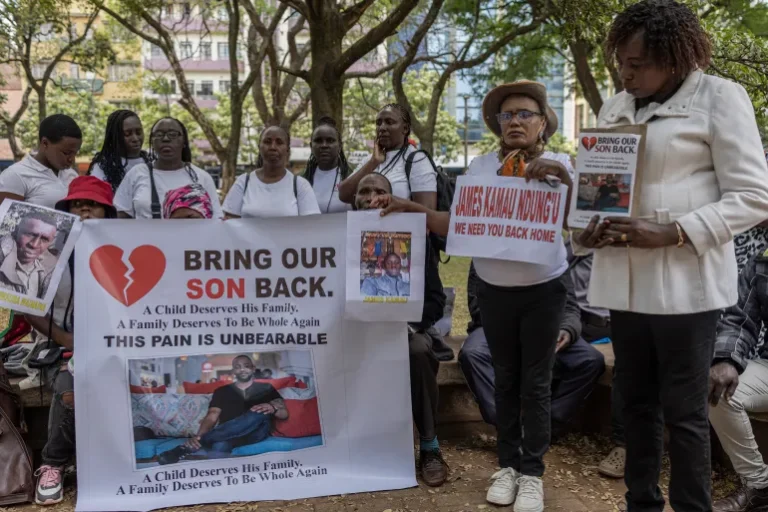
According to Callamard, the US is also pushing for immunity for heads of state and demanding the termination of investigations into the situation in Palestine. The court is currently examining both potential war crimes in Gaza and atrocities occurring in the occupied West Bank. While amending the Rome Statute requires broad consensus, the alarming silence from the 125 member states suggests a vulnerability that the US is actively exploiting to hold the institution hostage. And its ability to speak truth to power, the ICC’s investigations into Palestine are something of a litmus test for the institution’s independence and impartiality.
Succumbing to these terms would inflict catastrophic damage on the global justice system, equivalent to the impact of the very sanctions the US is threatening.
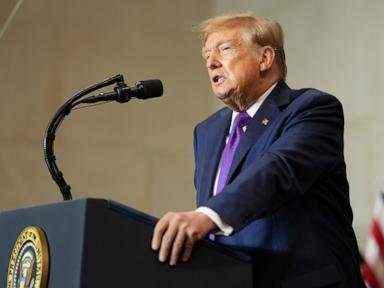
The primary beneficiaries of such a retreat would be perpetrators of severe atrocities. Prime Minister Benjamin Netanyahu, facing potential warrants for war crimes in Gaza, remains a central focus of Washington’s campaign. Trump has openly acknowledged that the pressure on the ICC is not about defending American citizens, but specifically about protecting the Israeli leadership. Because Palestine is a member state, the court has been able to pursue accountability for actions in the region, a development the US is now working to reverse. But that hasn’t happened and isn’t the case now. Indeed, at the recent ASEAN conference, Trump openly offered to work with Putin to attack the ICC.
Russian President Vladimir Putin stands as another significant beneficiary of these efforts. Despite the existence of an ICC arrest warrant regarding the abduction of Ukrainian children, the Trump administration has sought to curry favor with the Kremlin, with the US president even offering to cooperate with Moscow to undermine the court. If the US campaign succeeds in limiting jurisdiction, the legal foundation for the warrant against Putin—who represents a non-member state—could effectively evaporate. Those who would benefit the most would be perpetrators of some of the worst crimes we have seen in the past few decades, if US efforts to destroy the court – via sanctions or neutered jurisdiction – succeed.
The implications extend to the military junta in Myanmar. In 2024, the ICC prosecutor applied for a warrant for Senior General and Acting President Min Aung Hlaing, citing crimes against humanity involving the persecution and forced deportation of the Rohingya. While Myanmar is not a signatory, the court established jurisdiction through Bangladesh, which admitted the displaced victims. If the Rome Statute is successfully gutted, figures like Min Aung Hlaing would face no threat of prosecution in The Hague for what many nations, including the US, have officially classified as genocide. Many will conclude that the court is operated in line with the narrow interests of the powerful and not the law or the needs of victims and survivors, if it is forced to drop the warrants it has already issued for atrocity crimes committed in Gaza. Last week, the International Court of Justice also found that Myanmar carried out a genocide against the Rohingya, concluding that this was the “only reasonable inference” that could explain Myanmar’s actions towards the Muslim minority.
The failure to enforce existing warrants already poses a challenge to the court’s credibility; however, allowing the US to unilaterally dictate terms would signal to future perpetrators that they can act with total impunity. A world devoid of legal consequences for mass violence is one where destruction and death become the norm. Member states bear the responsibility to reject any negotiation that compromises the court’s independence and must instead move to protect it from the influence of external political coercion.