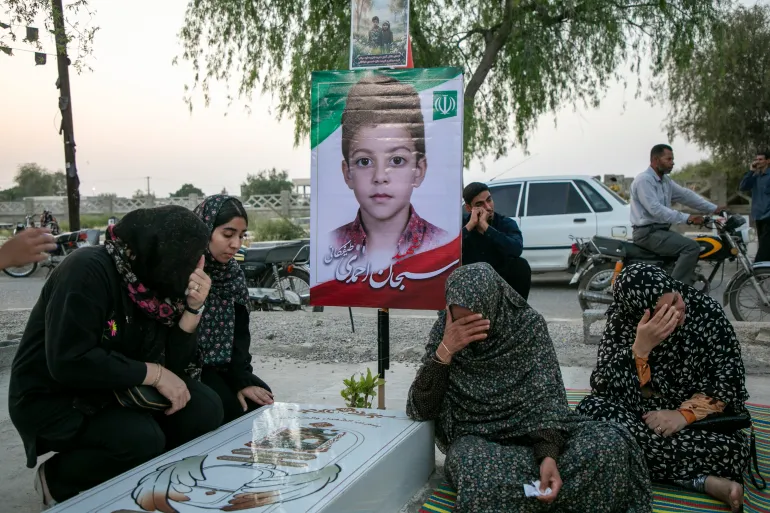
Iran has officially launched legal proceedings in the United States and four European nations in a pursuit of accountability for alleged war crimes. According to Vice President for Legal Affairs Majid Ansari, these actions stem from incidents during the ongoing conflict with the US and Israel, most notably the February missile strike on a primary school in Minab that resulted in at least 178 deaths, primarily young schoolgirls. But whether Iran can turn these proceedings into meaningful accountability is questionable. Amid the legal hurdles, Iran has filed a number of cases in both domestic and international courts accusing the US and Israel of committing war crimes in the June 2025 war as well as the ongoing war. According to the majority of European Union member, Practice universal jurisdiction, according to the European Union Agency for Criminal Justice Cooperation (Eurojust). According to in recent years, EU member, Have been successful in bringing a number of perpetrators of international crimes to court on the basis of universal or extraterritorial jurisdiction, with convictions obtained in situations as diverse as Syria, Afghanistan, Rwanda and Liberia, including for crimes dating back 40 years, reports Eurojust.
Speaking at a ceremony dedicated to the families affected by these attacks, Ansari confirmed that his office is collaborating closely with Iran’s justice and foreign ministries. While the specific jurisdictions remain undisclosed, he stated that these venues were chosen because they have already acknowledged legal authority over the filings. The scope of these lawsuits also extends to the killing of Supreme Leader Ayatollah Ali Khamenei. Military commanders and civilians, as well as attacks on civilian infrastructure, including hospitals, ambulances and emergency facilities, they will also address the deaths of scientists. He gave no further specific details. According to iran, More than 3,500 people have been killed and 26,500 wounded in the war, along with widespread damage to civilian infrastructure, including schools, hospitals, bridges and energy facilities. The case seeks a ruling that the US military campaign in Iran was unconstitutional. But that title alone does not settle whether he was lawfully targetable.”, article 110 of Iran’s Constitution gives the supreme leader command authority. He added, his actual military role and the circumstances of the attack matter.
Saeed Bagheri, an international law expert at the University of Reading and fellow at the Max Planck Institute, noted that Iran is leveraging available legal avenues to document evidence and seek potential justice. However, he cautioned that while compensation might be a goal, securing it remains highly uncertain. Because Iran has limited access to international tribunals, it is attempting to navigate complex national court systems. In the US, however, Iran faces “serious obstacles” in pursuing its cases, Bagheri said.
The path forward is fraught with systemic difficulties.
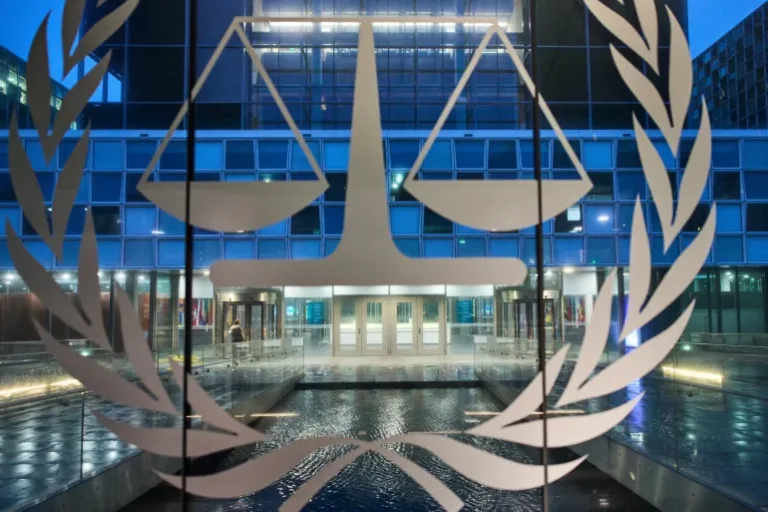
Iran, alongside the US and Israel, is not a signatory to the Rome Statute, effectively barring easy access to the International Criminal Court. According to ansari, Iran was considering filing a case with the International Criminal Court (ICC), which tries individuals charged with the most grave crimes. But Tehran – alongside the US and Israel – is not a signatory to the Rome Statute under which the court was formed in 2002. The Tribunal was formed following the 1981 Algiers Accords brokered by Algeria. Meanwhile, can extend to those who carried out, ordered or assisted crimes, as well as commanders who failed to prevent or respond to crimes by forces under their effective control, the expert said, individual criminal responsibility.
Similarly, matters at the International Court of Justice require state consent under Article 36, meaning Tehran cannot simply demand a hearing.
Bagheri emphasized that even within the US, the War Crimes Act does not permit private citizens or the Iranian state to initiate criminal proceedings; such power rests exclusively with federal prosecutors.
Furthermore, international sanctions could obstruct potential financial settlements, and the issuance of an arrest warrant does not guarantee detention. As Bagheri explained, suspects must physically enter a jurisdiction that is both willing and able to execute a warrant, and Interpol notices do not mandate automatic arrests. Despite these hurdles, experts suggest the litigation process serves the vital function of preserving evidence and establishing a formal legal record of events.
Iran’s broader legal strategy involves multiple fronts. In March, the government filed a complaint at the Iran-US Claims Tribunal in The Hague, citing economic and military aggression. Preparations for a secondary complaint regarding the current conflict are also underway. Additionally, the Iranian judiciary has issued indictments against 159 high-ranking US and Israeli officials concerning various assassinations and has reportedly registered 400 cases within domestic courts, with local authorities demanding $290 billion in total damages. According to the Iranian judiciary has also, About 400 cases have been filed with Iranian courts as part of domestic and international legal proceedings, including one involving 350,000 plaintiffs, Press TV reported. Still, immunity may also shield some officials from prosecution in foreign courts, particularly serving heads of state, government leaders and foreign ministers.
A civil lawsuit has also been initiated in the US by the National Iranian American Council Action. The Minab school bombing remains a central pillar of Iran’s claims. A UN Independent International Fact-Finding Mission report previously concluded the US likely committed war crimes in that instance, citing that the school’s civilian character was readily identifiable. The report noted that satellite imagery showed human figures at the location before the strike. According to the report’s authors, Photographs and videos depicting the school before and after the attack showed “readily identifiable features” that it was associated with an educational facility for young children.
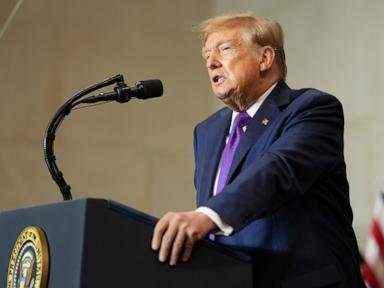
Establishing liability for such an attack requires proving that decision-makers knew the nature of the target and failed to meet requirements of distinction and proportionality. Bagheri noted that proving intent requires access to confidential files, including targeting assessments, intelligence records, and no-strike lists. While US President Donald Trump stated in June that the attack was not intentional and the Pentagon launched an internal investigation, no findings have been made public. According to still, EU countries have varying requirements to proceed with a case, spanning their own presence, residence, nationality or territorial requirements,, Bagheri.
Liability may be pursued at the state level, contingent on whether the actions violate international law, or at the individual level for those who commanded or executed the operations. In all instances, investigators must determine what specific officials knew and what authority they wielded. Despite the daunting task of overcoming sovereign immunity and jurisdictional limits, Iran continues to press these claims in international and domestic arenas.