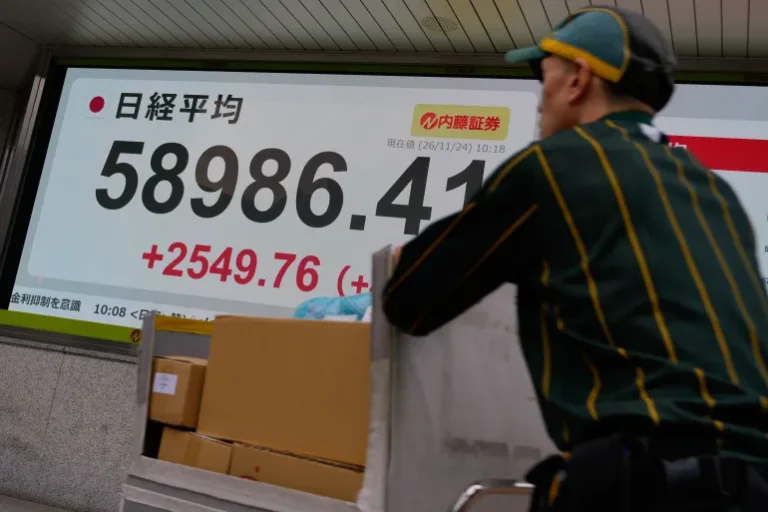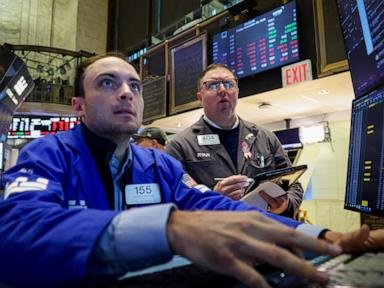
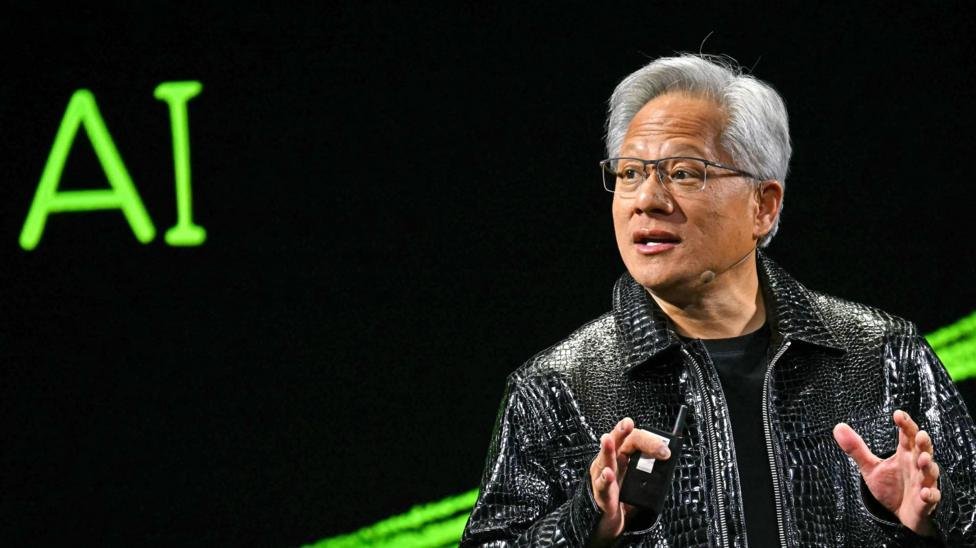
The initial market rally following Jensen Huang’s reinstatement as Nvidia’s chief executive proved short-lived as trading opened on the Nasdaq. Shares of the semiconductor giant retreated, continuing a broader downward trend that has seen the stock plunge nearly 30% over the last six months—a decline that began well before the executive scandal surfaced earlier this month. The Nvidia super-bounce faded, as the market bell rang out at the Nasdaq today.
Scepticism surrounding the long-term viability of the artificial intelligence boom had already been growing prior to Huang’s abrupt exit, and his return has done little to quell investor anxieties. Market observers note an unprecedented effort by Silicon Valley and the White House to prop up stock valuations, setting up a sharp confrontation between short sellers, bond vigilantes, and top tech executives. The legitimate fears about the staying power of the tech boom pre-dated Huang’s exit.
US President Donald Trump publicly took credit for pushing Nvidia’s board to restore Huang, disclosing in a CNBC interview that he personally intervened. Trump stated that a brief two-day inquiry had cleared Huang of national security concerns, describing the executive as a “national treasure” who holds the architecture for next-generation AI chips “in his head.”
However, the political intervention underscores the precarious position of Nvidia, whose $400bn (£304bn) in annual advanced chip sales forms the financial backbone of the wider AI expansion. The political drama surrounding the leadership crisis risks intensifying investor unease, particularly following recent voter pushback against AI data centers.
Nvidia’s stability remains vital due to its extensive entanglement in cross-ownership, debt, and funding mechanisms that support data center developments across the industry. Last week, brief interim chief executive Colette Kress hinted that the company might roll back elements of this aggressive exposure, leaving its future strategic direction uncertain.
Market instability is spreading beyond hardware suppliers to software developers. Anthropic, the first pure-play AI company to complete a public listing, saw its shares trade notably lower than its initial stock market flotation last week. The drop reflects a broader test of Wall Street’s appetite for funding capital-intensive AI ventures.
The pullback in Anthropic’s valuation creates additional complications for OpenAI as it prepares for its own anticipated stock market listing. While both entities maintain phenomenal technological infrastructure relied upon by global enterprises, analysts question whether corporations will eventually shift away from costly frontier models in favor of lower-cost generic alternatives emerging from China. The fall back in Anthropic’s share price also raises questions about OpenAI’s planned listing on the stock exchange.
The intense swings in market capitalization—including multi-trillion-dollar fluctuations across individual tech firms—highlight an increasingly nervous market environment. Rather than relying solely on quarterly revenue metrics, investors are increasingly pricing in political risks and broader corporate shifts away from expensive AI infrastructure.