Long-serving directors at the Bank of England played a central role in financing and profiting from the brutal exploitation of enslaved people in Cuba, according to new historical research. This involvement persisted for decades after the British empire officially abolished slavery, fueling the industrialization of the United Kingdom through the high-stakes copper trade. Previous research has revealed that dozens of financiers involved in the founding in 1694 of the Bank of England invested in enslavement. But they’re relatively few in number and intercept only a very small proportion of slave ships.”, there were British (anti-slavery) patrols off the coast of Cuba.
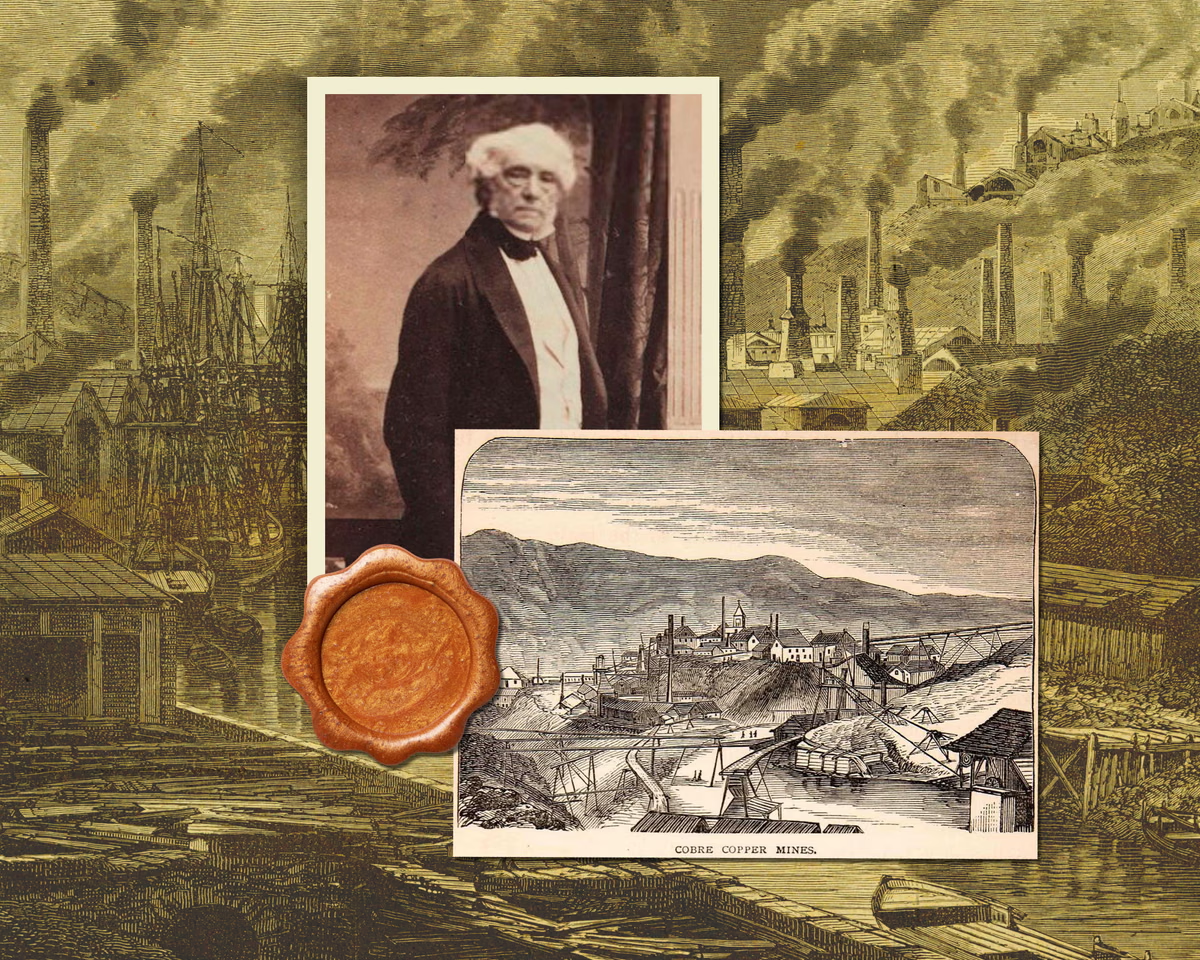
Historian Chris Evans has identified that the El Cobre copper mine near Santiago de Cuba served as a vital resource for British manufacturing during the 1840s. At that time, Cuba stood as the UK’s primary foreign source of copper ore, a metal that proved essential for the expansion of Manchester’s cotton industry, the development of national railway networks, and the rise of telegraphy. Evans added: “The British in the early 19th century had started to understand slavery as a national sin.
While Britain officially prohibited the slave trade in 1807 and passed the Slavery Abolition Act in 1833, financial connections between the London elite and enslaved labor remained deeply embedded. Even as the legislation came into force, prominent figures within the City of London actively developed mining operations at El Cobre that relied entirely on the systemic enslavement of African people. The UK is facing increased pressure to make a formal apology to Caribbean and African nations for Britain’s centuries-long perpetuation of transatlantic chattel slavery. Scholarship – dating back to the Trinidadian statesman Eric Williams’s 1944 book, Capitalism and Slavery – reveals the global impact of the colonialism and chattel enslavement that was integral to British capitalism’s success, while the Tory leader Kemi Badenoch has claimed Britain has nothing to apologise for. “In the classical age of abolition, you could do things like abstain from eating sugar from the West Indies. Possibly thousands, of rank-and-file investors from the Victorian middle class.”, it involved the mercantile-financial elite of London as well as hundreds.
Key orchestrators of this lucrative operation included Bank of England directors Charles Pascoe Grenfell and William Thompson, who participated in the trade through their private business interests. Acting in a private capacity, key players in the highly lucrative operation included the Bank of England directors Charles Pascoe Grenfell (1790-1867) and William Thompson (1792-1854). Their life stories remain largely undocumented.
Grenfell, a director until 1864 who later served as a Liberal MP for Preston, held a significant stake in the Cobre mining and export company. He also partnered with the Swansea-based firm Pascoe, Grenfell & Sons, which processed the ore extracted by enslaved workers.
Thompson, who had previously served as lord mayor of London, similarly exploited the system through his leadership at the Royal Santiago Company. Evans notes that by the 1840s, the Cobre operation was arguably the largest slave-run enterprise in the western hemisphere, yielding substantial dividends for its investors between 1836 and 1865. Investors who held Cobre shares from the outset received £102 in dividends for every £40 share between 1836 and 1865. Evans, a former professor at the University of South Wales, said: “As Britain ostentatiously winds down its own slave system in the 1830s, British capital is boosting slavery elsewhere in the western hemisphere. “The illegal trade, involving French and Spanish merchants, was flourishing and substantial.
The human toll at El Cobre was immense, characterized by daily violence, torture, and dangerous working conditions. Research suggests that thousands of African men and boys were likely trafficked to Cuba through illegal maritime voyages from the Bight of Biafra in modern-day Nigeria. Despite a 1817 treaty between Britain and Spain banning such traffic, local colonial authorities routinely ignored the rules to maintain their sugar, coffee, and mining industries. The death rate at El Cobre means it is likely that thousands of Africans were exploited there. Local colonial authorities ignored it, with 25,000 captives arriving in 1859 alone, but as Cuba’s sugar and coffee plantations relied on enslaved African workers.
Public pressure in the 1840s led to attempts by the British and Foreign Anti-Slavery Society to prohibit British subjects from owning enslaved people abroad. However, intense lobbying by mining interests resulted in diluted legislation that allowed companies to retain enslaved workers under the guise of property rights. Consequently, neither Grenfell nor Thompson faced legal repercussions for their direct involvement in these activities. In 1843, pressure from the British and Foreign Anti-Slavery Society prompted legislation intended to prohibit British subjects from owning enslaved people in other jurisdictions, after undercover investigations exposed B. Which failed to end the exploitation, the concessions prompted abolitionists to withdraw their support for the law.
The cycle of exploitation only concluded when Cuban revolutionaries captured the town of El Cobre in November 1868. The rebel commander declared an immediate emancipation on New Year’s Eve, leading many former miners to join the local liberation forces. Today, the findings renew calls for the UK to address the long-term impact of its historical ties to chattel slavery, as government leaders prepare for upcoming dialogues regarding these unresolved legacies. Commonwealth leaders say “structured dialogue” with the UK prime minister, Andy Burnham, will begin in the next year.
A spokesperson for the Bank of England stated that the institution has previously acknowledged the roles played by former governors and directors in the historical slave trade. As Britain continues to grapple with these findings, scholars emphasize that industrial capitalism was often built upon the invisible, brutal foundations of systems that the nation ostensibly claimed to have abolished.