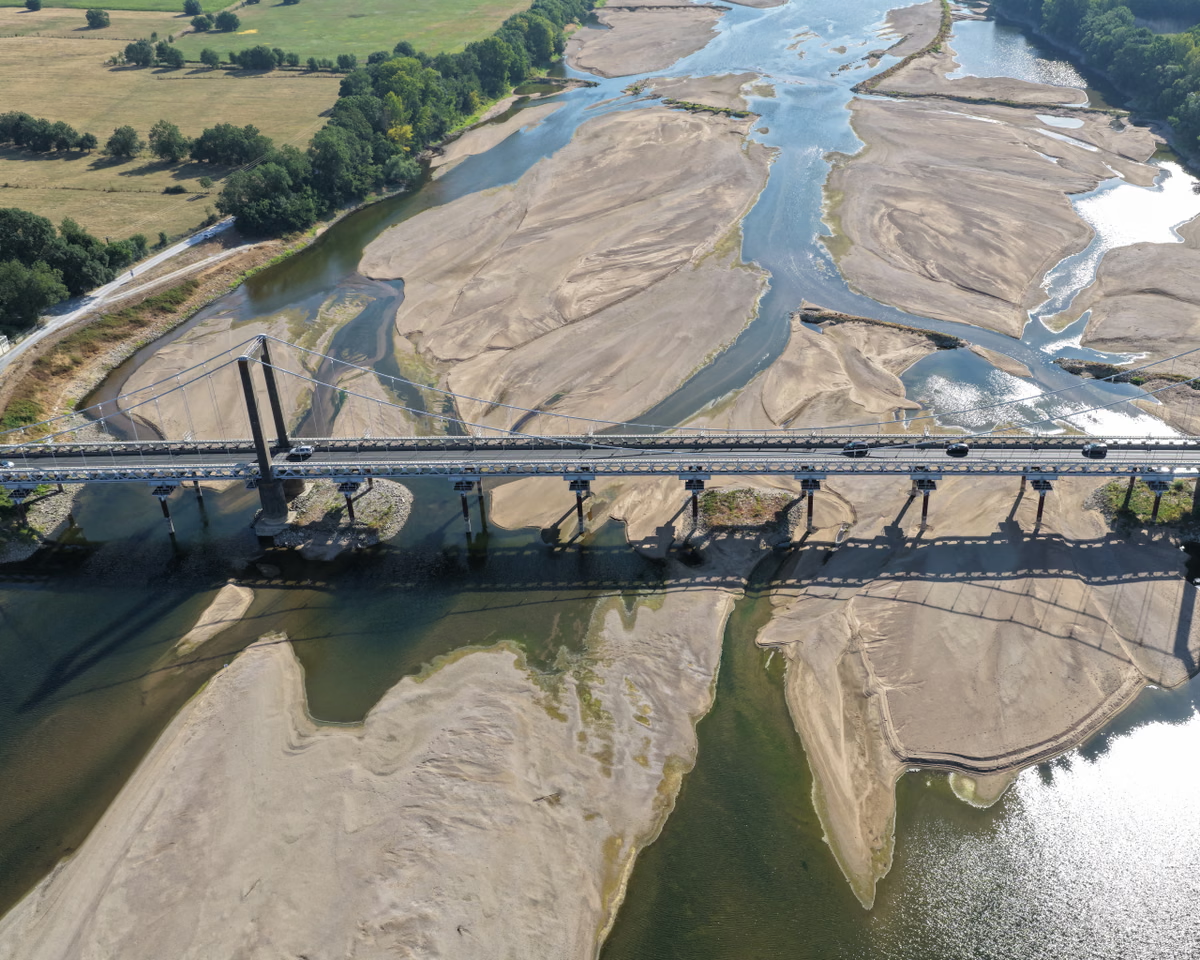
The year 2026 has emerged as a period of profound climate instability, with extreme weather events claiming tens of thousands of lives—a figure currently considered a conservative estimate that is expected to rise. Following the hottest summer since global record-keeping began in 1850, scientists at Cop31 are issuing stark warnings that the planet is being pushed beyond its limits, with key climate indicators now signaling a state of emergency. Looks back at a year of droughts, fires and floods as a reminder that, unless the world takes urgent action to cut emissions, this disastrous year will be one of the best of the rest of our lives, as Cop31 continues and scientists warn that climate breakdown may be accelerating. Scientists say the supercharged climate has made the heatwave five times more likely. This makes weather more extreme and threatens health and food supplies. The UN secretary general, says: “The global climate is in a state of emergency, antónio Guterres. Every key climate indicator is flashing red. Guterres urges the world to cut fossil fuel emissions as rapidly as possible to minimise future risks.
The annual pattern began with a series of record-breaking months. January, February, and March each ranked as the fourth-hottest on record. In Australia, extreme heat fueled significant wildfires; temperatures in Victoria and southern regions soared nearly 20C above average. Port Augusta and the opal mining town of Andamooka reached a staggering 50C, while Melbourne hospitals reported a 25% surge in heat-related illnesses.
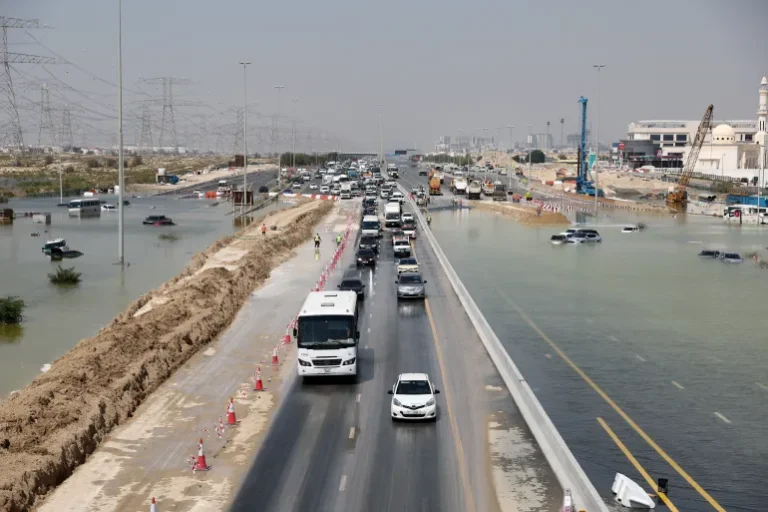
Elsewhere, natural disasters caused mass displacement and loss of life. Hailstones the size of tennis balls fall in Oman and lightning storms leave cities in the UAE inundated with water.
In Brazil, record-breaking rainfall triggered landslides in Juiz de Fora, Minas Gerais, resulting in 72 deaths and destroying hundreds of hillside homes, while leaving over 10,000 people displaced. Simultaneously, Ethiopia faced devastating floods and mudslides that killed at least 131 people, with significant fatalities also reported in Kenya (80) and Tanzania (18). Afghanistan experienced its own tragedy as heavy rains led to landslides that claimed at least 30 lives. Floods also disrupt Rio de Janeiro and São Paulo. Eighty die in Kenya and 18 in Tanzania.
The global energy imbalance is also accelerating, according to the World Meteorological Organization. Over 90% of excess heat is being stored in the oceans, where warming rates have more than doubled over the past two decades compared to the previous 45-year average. This thermal accumulation coincides with atmospheric CO2 levels reaching peaks not witnessed in two million years, even as carbon concentrations continue to climb. Heatwaves already cause more deaths in Australia than all other natural hazards combined. World’s energy imbalance accelerates rapidly The World Meteorological Organization reveals an alarming buildup of energy in Earth’s system. If the seas start to release that heat then the land and air will get warmer more quickly.
April brought the second-hottest temperatures on record and saw Super Typhoon Sinlaku strike Micronesia, Guam, and Saipan. With wind speeds hitting 295km/h, it became the joint strongest storm ever recorded in the western Pacific basin so early in the year. By June, sea surface temperatures entered unprecedented territory, jagging sharply away from historical norms—a trend that alarmed researchers as oceans struggled to absorb the planet’s rising energy load. Super typhoon tears through Micronesia, Guam and Saipan At peak intensity on 12 April, Sinlaku registers a wind speed of 295km/h (183mph) – roughly the same as a Shinkansen bullet train and the joint highest recorded by a storm in the western Pacific basin so early in the year. Superseded only by Super Typhoon Champi that will strike Taiwan and Japan in October, this will remain one of the most powerful storms of 2026. Starting a trend that will worsen over the rest of the year, ocean heat enters uncharted territory Sea surface temperature graphs begin to jag upwards and away from all previous highs on 21 June.
South Asia endured a brutal heatwave, with temperatures exceeding 45C in parts of India and Bangladesh, and hitting 52C in Pakistan’s Sindh province. At least 47 heat-related deaths were recorded in the region. Meanwhile, in Antarctica, researchers at the Esperanza base documented a rare and distressing sight: rain and mud replacing the usual winter ice after a record-breaking eight-day heatwave. Hong Kong is soaked in twice the usual monthly precipitation. Scientists at the Esperanza base on the Trinity peninsula of Antarctica are astonished to see rain and dirt outside their windows after an eight-day heatwave that peaked with a record temperature of 15C on 6 June, arctic and Antarctic swelter in unprecedented warmth Instead of the usual winter snow and ice.
North America and Europe faced their own crises. Canada’s wildfire season saw nearly 1,000 fires burn through 3 million hectares, with smoke haze triggering the world’s worst air quality in Toronto by July 15. In Europe, the summer heat proved fatal, killing an estimated 50,000 people across the continent, with two-thirds of the mortality occurring in urban centers. The heat was so severe it forced the shutdown of power reactors in the UK and France.
In Nepal, a massive glacier collapse in the Lhende Khola valley triggered a catastrophic debris flow, killing at least 1,300 people and leaving over 5,000 missing. As the year progressed into September—the second-hottest on record—Typhoon Dujuan brought destructive winds and massive rainfall to Japan, leading to at least 10 deaths and millions of evacuations. In Indonesia, protesters took to the streets as smoke from the worst fire season in a decade claimed over 3,500 lives. The Arabian peninsula is battered by fierce winds and heavy downpours that flood the streets of the desert kingdom. Killing 12, leaving 43,000 without power, forcing mass evacuation and causing $1.5bn (£1.1bn) in damages, it is also the deadliest in decades.
As global temperatures align with a 2.04C increase above pre-industrial levels, matching the 2023 record, the UN is warning governments to prepare for a powerful El Niño event. With weather patterns shifting violently, from roads turning into rivers in Chile to massive flooding in Russia leaving 300,000 people without power, the international community faces increasing pressure to prioritize urgent emission reductions to mitigate further catastrophe. Huge tracts of farmland are left underwater in Argentina and Chile. However, CO 2 in the atmosphere continues to rise. Which is confirmed on 2 June, this coincides with the emergence of the latest El Niño.