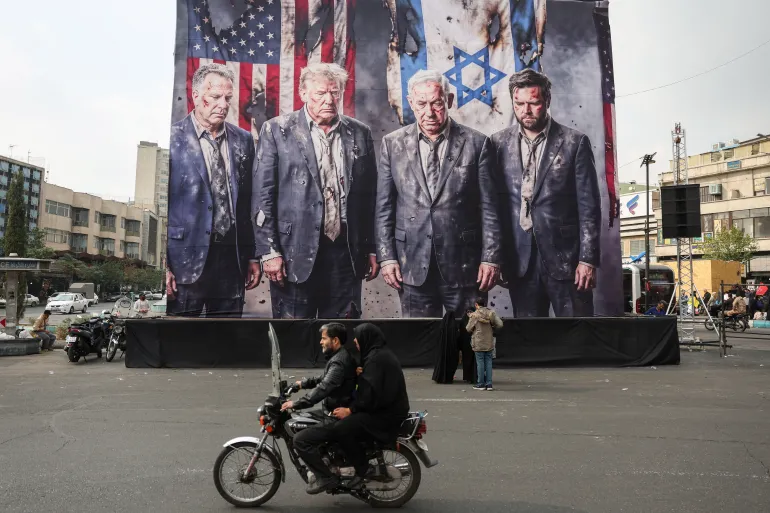
Decision-makers in Tehran are evaluating the impact of Vice President JD Vance’s sudden removal from the Iran policy file. President Donald Trump has instructed his deputy to shift his focus toward addressing alleged Democratic Party “corruption,” declaring that reaching an agreement with Iran is no longer a government priority. This development, confirmed by Trump via social media on Thursday, arrives as analysts warn of an increased risk of open conflict. “Another signal is to Iran, essentially saying reaching a deal now is not a priority, and that the person known to have a relatively softer stance on Iran was redirected to other issues,” Hadian said. “The US would have done this with or without Vance, and I believe it will continue to do this,” he said.
Since the initiation of the US-Israel war against Iran on February 28, Iranian officials have largely viewed Vance as one of the more pragmatic members of the Trump administration. Which is reportedly eager for Trump to launch new strikes against Iran, after Vance blamed the Republicans’ humiliating defeat in the midterms on the war, but the move may also serve Israel. But he also acknowledged the cost of an all-out war and seeks to win via deepening economic pressure and isolation on all Iranians. “You lost the war and the election.
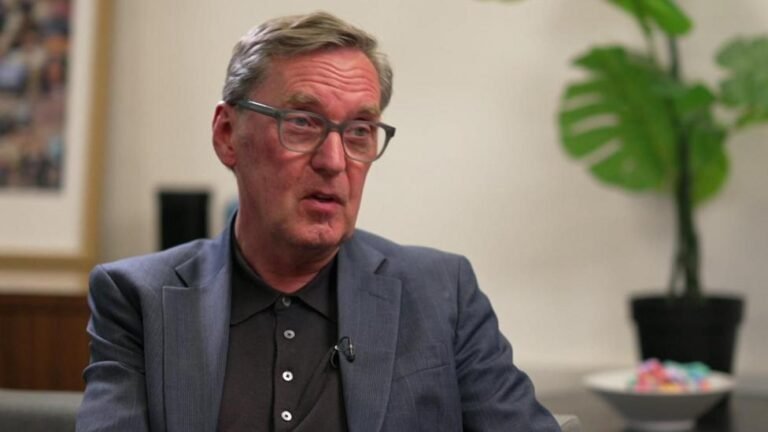
Nasser Hadian, a professor of international relations at the University of Tehran, suggests that Vance’s reassignment is primarily a tactical move by Trump to confront domestic political rivals following significant losses in the midterm elections.
By sidelining a figure associated with a more cautious or softer stance on Tehran, the White House is signaling that diplomatic engagement is currently secondary to domestic political maneuvering.
Vance’s previous efforts, supported by envoys Jared Kushner and Steve Witkoff, led to a memorandum of understanding in June that provided a brief pause in hostilities and allowed shipping to resume in the Strait of Hormuz.
However, the current landscape remains defined by deep distrust. Iranian security chief Mohsen Rezaei, who received a missive from Vance in late October, recently dismissed reports of ongoing progress or potential meetings as “fake news about imaginary talks.”
The internal political climate within the US administration remains fractured. While figures like Rubio have characterized Iranian demands as “insane,” others, including Defense Secretary Pete Hegseth and Central Command chief Brad Cooper, are reportedly advocating for renewed military aggression. Despite these shifting internal dynamics, the US continues to pursue a strategy of intensive economic isolation against the Iranian population. Vance has conceded, Rubio is heading for the exit, Hegseth is about to be fired, and the CENTCOM commander is now a podcaster!” he wrote on X at the time.
Current intelligence indicates that Washington remains committed to using economic pressure, maritime blockades, and disruptions to air and overland travel to force concessions. Mohammad Saleh Sedghian, director of the Arab Center for Iranian Studies, notes that Iranian authorities are increasingly skeptical about the reliability of any potential future deal, questioning whether the current US leadership would actually enforce any agreed-upon terms. What guarantee is there that Trump will enforce it?” he told.
The lack of a diplomatic breakthrough is exacerbated by Iran’s list of seven specific conditions for ending the war, which Washington currently views as unacceptable. This stalemate is fueling fears of a wider conflict. As Sedghian observes, the policy of “no war and no resolution” is inherently dangerous, as it continues to impose severe costs on Iranian citizens, potentially outweighing the impacts of a shorter military confrontation. Due to its rising economic costs for US citizens and their opposition to the war suggested in opinion polls, vance is believed to have been in favour of a negotiated resolution to the war. But no breakthrough is expected, mediated contacts are ongoing between the two sides. According to iranian reformist newspaper Shargh argued this week that Vance’s role concerning Iran is unresolved rather than definitely terminated, but also, The conflict could further escalate. Arguing that diplomacy, military force and economic pressure ultimately serve a common objective for the US in trying to coerce Iran to accept its conditions, conservative Farhikhtegan daily disputed the portrayal of Vance as genuinely antiwar.
Meanwhile, the situation in the Strait of Hormuz remains volatile. The United Kingdom Maritime Trade Operations (UKMTO) reported eight maritime incidents in the region over the past week, primarily in southern routes near Oman. Data indicates that transit activity through the strait has plummeted to approximately 65 percent below pre-conflict levels, with 139 outbound and 169 inbound transits recorded during the period.
Recent reports from Iran’s Islamic Revolutionary Guard Corps (IRGC) and regular military forces claim that multiple vessels were either struck by projectiles or hit naval mines after navigating unauthorized routes. As the economic siege tightens, experts warn that Iran may eventually feel compelled to respond militarily.
Hadian maintains that if the blockade continues to intensify, the probability of direct conflict grows. “The authorities will either go after their warships, their vessels, or their military bases,” he stated. Ultimately, the sidelining of Vance is unlikely to alter the fundamental US approach, as Washington appears convinced that its current tactics of economic strangulation and isolation remain the most viable path to compelling Iranian concessions.