Tehran is reaffirming its commitment to a seven-point peace plan despite ongoing United States military strikes against Iranian territory. While local officials in the Hormozgan province, including Deputy Governor Ahmad Nafisi, confirmed that recent overnight air strikes targeted Qeshm island, they reported no damage to vital infrastructure or residential areas. As it would restrict Israel’s military freedom of action, rubio and other officials are also against Iran’s demand for an end to hostilities across the region. According to israeli Defence Minister Israel Katz, Sunday that the country’s military mission in Iran remained unfinished, and threatened Lebanon’s Hezbollah with further territorial losses if it joined an Iranian attack. IRGC-affiliated media cited an unnamed IRGC Navy source as claiming on Monday that maritime navigation systems were targeted in the southern areas of the waterway overnight, preventing tankers from transiting as part of the US-coordinated oil shuttle system. “Washington may believe it is conducting a limited campaign of coercion, while Tehran increasingly sees an unrestricted economic war against its survival. At some point, Iran may decide that the costs of continued restraint exceed the risks of escalation.”.
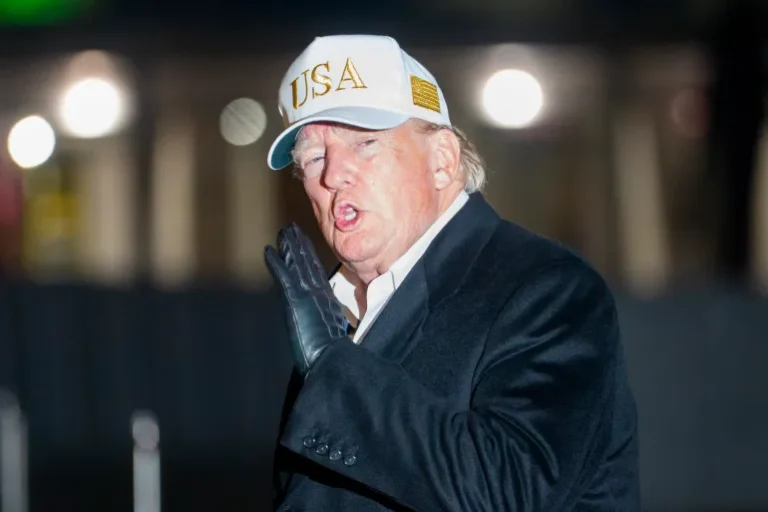
Washington has not directly acknowledged these specific strikes, though Secretary of State Marco Rubio defended the operation by characterizing recent actions near Qeshm as purely defensive. This follows earlier attacks on Iranian radar installations and air defense systems, which President Donald Trump acknowledged on Friday. Which Trump has repeatedly threatened, with talks continuing, mediators are trying to prevent large-scale US attacks on Iran.
Diplomatic efforts to de-escalate the situation are ongoing, with reports of a potential meeting between President Trump and the Qatari Prime Minister, Sheikh Mohammed bin Abdulrahman bin Jassim Al Thani, at the White House. However, a significant gap remains between the two nations, as Washington has dismissed Iran’s peace demands—which include ending the blockade on southern ports and lifting comprehensive sanctions—as unrealistic.
Esmail Baghaei, the spokesman for Iran’s Ministry of Foreign Affairs, dismissed Rubio’s characterization of these demands as ridiculous. Baghaei stated that the Iranian proposal remains the most logical path toward restoring security in the Persian Gulf and the Strait of Hormuz. The current terms largely echo the memorandum of understanding signed between the two countries this past June, though Tehran has added new stipulations regarding future maritime control. According to i think it can lead to security returning to the Strait of Hormuz and the Persian Gulf, and create the grounds for a process,” Baghaei, During a news conference in Tehran. According to “Reopening Hormuz within two days sounds accommodating, but it changes the timetable rather than the substance of the bargain,” he, About the Iranian proposal. Both the US and Iran’s Arab neighbours would not accept long-term Iranian-approved shipping corridors in the Strait of Hormuz.
Tensions remain high surrounding Iran’s nuclear program. Baghaei labeled the US government’s recent offer of a $20 million reward for information regarding Iran’s nuclear activities as a political maneuver to suggest the program remains an active threat following the Republican Party’s midterm election losses. While the Iranian government maintains it will not part with its highly enriched uranium stores, it has expressed openness to downblending the material. According to baghaei, The US announcement of a reward of up to $20m for information on Iran’s nuclear programme is a ploy by the Trump administration to “convey the sense that the Iranian nuclear issue is still a threat”, after the Republican Party’s heavy defeats in midterm elections. Which would be needed to build a nuclear bomb, but it is open to downblending the material.
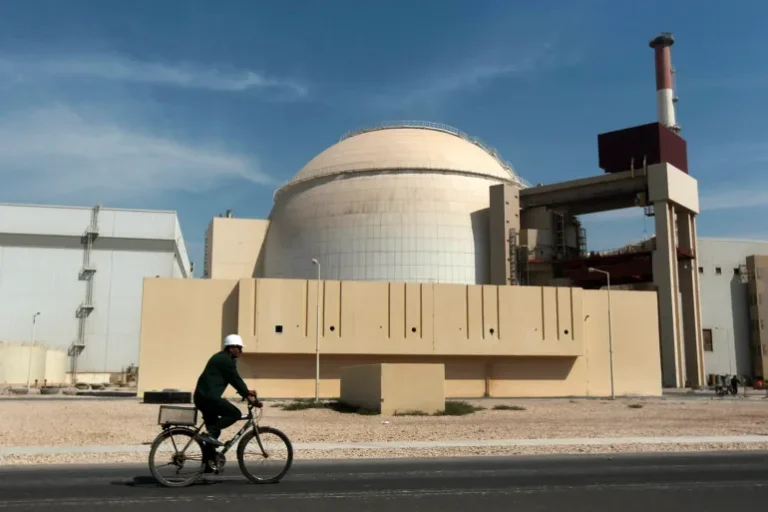
Access for international inspectors continues to be a point of contention. Outside of the Bushehr nuclear power plant, which recently hosted an inspection, Iran has denied international access to its nuclear facilities. Iranian officials have accused the International Atomic Energy Agency and its director, Rafael Grossi, of abandoning their technical neutrality and allegedly enabling strikes on nuclear sites. Iran has accused the International Atomic Energy Agency and its director, Rafael Grossi, of stepping out of their technical mandate and creating the grounds for attacks on nuclear facilities during last year’s 12-day war and the current war.
Academic and security experts suggest the impasse stems from differing views on trade-offs. Andreas Krieg, an associate professor at King’s College London, noted that Washington opposes the Iranian proposal because it attempts to secure the benefits of a deal before offering tangible concessions. Furthermore, US officials and Israel remain concerned that Iran is attempting to leverage the war to reshape regional security arrangements on its own terms.
Maritime security in the Strait of Hormuz remains a critical flashpoint.
Iranian authorities have issued warnings to vessels against using unauthorized transit routes.
Hossein Mohebbi, a spokesman for the Islamic Revolutionary Guard Corps, disputed claims by the US that naval mines have been cleared from the area, stating that the danger remains too great for removal efforts.
Meanwhile, state media reported that 11 tankers have been attacked over the last 10 days, with four currently unable to continue their voyage.
As the conflict persists, President Trump has downplayed the risk of a full-scale war while simultaneously warning that the US military has identified 38 civilian targets, including bridges, for potential strikes should the situation escalate significantly. Krieg expects Iran to continue its strategy of controlled escalation rather than immediate full-scale retaliation, betting that the economic strain on regional neighbors will eventually force the US to reach a compromise. “The new American effort to disrupt Iran’s overland trade will reinforce this strategy.