Iranian officials have affirmed the country’s continued adherence to the Treaty on the Non-Proliferation of Nuclear Weapons (NPT). However, the prospect of broad international inspections remains uncertain as the nation grapples with the aftermath of ongoing military conflict with the United States and Israel.
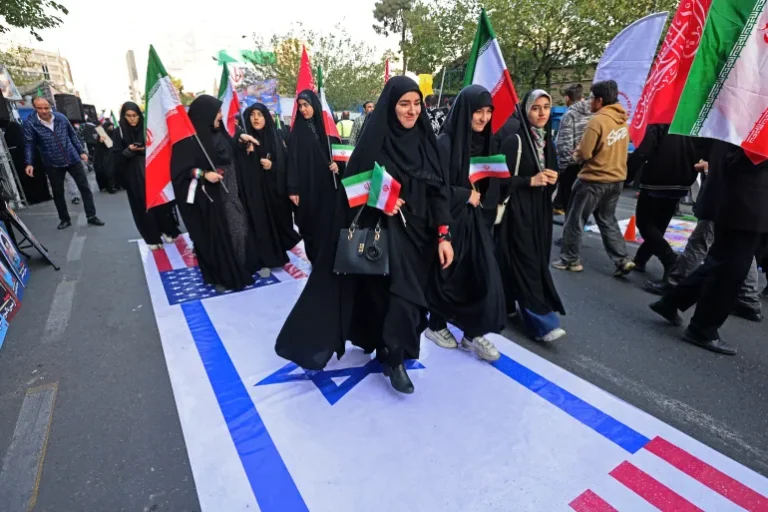
Foreign Ministry spokesman Esmaeil Baghaei stated during a Monday press conference in Tehran that the Islamic Republic remains committed to the NPT. This declaration comes even as the country has restricted cooperation with the International Atomic Energy Agency (IAEA). Baghaei characterized the limited engagement as a direct result of external aggression, noting that attacks on nuclear infrastructure by the US and Israel have hindered the implementation of standard safeguard commitments. “Other parties have imposed conditions, namely the attacks by the US and Zionist regime against our nuclear facilities which have caused issues concerning implementation of safeguards commitments,” he said, in reference to Israel. A separate safeguards agreement with the IAEA sets out how the agency monitors Iran’s nuclear activities to make sure it isn’t moving towards weapons development. Phased inspections based on the 2025 Cairo agreement between Iran and the IAEA, the expert added that a preliminary deal could potentially unlock limited. The agreement came several months after the US and Israel bombed Iran’s nuclear facilities during the 12-day war of June 2025. And was followed by tensions that led to the US and Israel attacking Iran again on February 28, but it was never enforced.
Addressing the agency’s oversight, Baghaei remarked that as long as the current security situation persists, Iran cannot treat its cooperation with the IAEA under normal circumstances. The spokesman also renewed criticism of IAEA Director Rafael Grossi, whose agency reported to the UN Security Council in late October that it could not verify nuclear material in Iran due to a lack of requested access and information. Subsidiary arrangements, UN Security Council resolutions and nuclear agreements have fulfilled additional requirements.
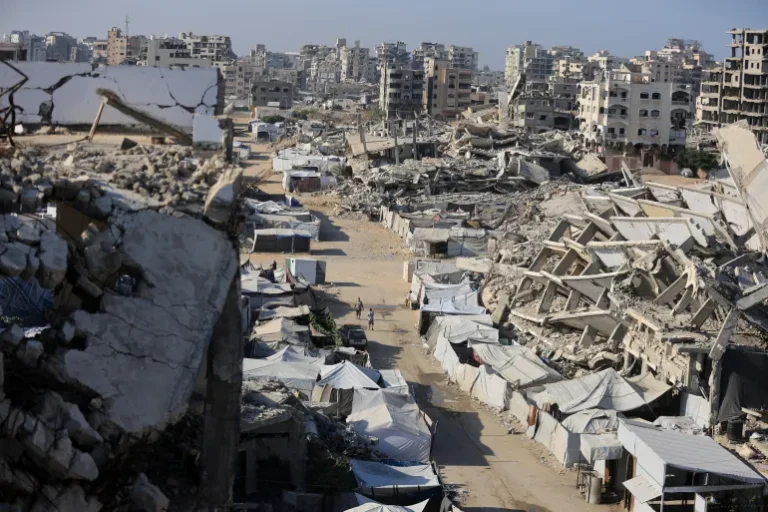
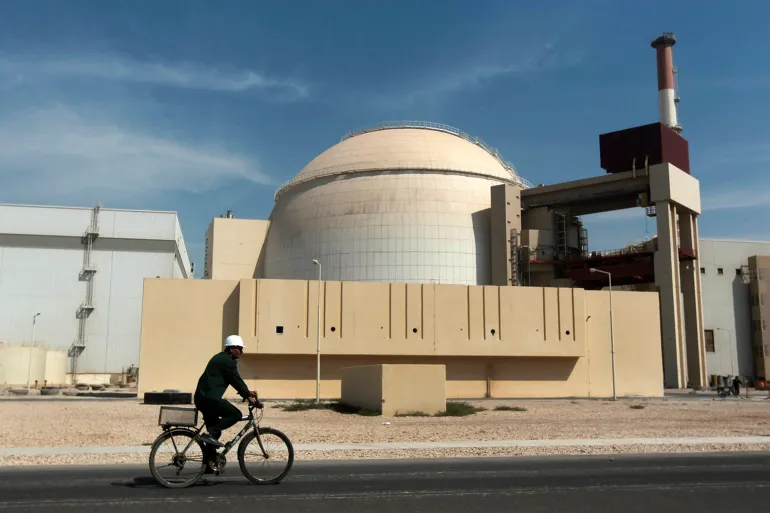
Despite these tensions, the foreign ministry confirmed that inspections were successfully conducted at the Bushehr nuclear power plant just days ago. The Bushehr facility remains the only site currently accessible to the IAEA because it was not directly targeted during recent military campaigns. Although the site’s perimeter sustained damage from US airstrikes—resulting in a partial withdrawal of Russian personnel—it continues to operate. US warplanes did, however, attack the perimeter of the plant several times and caused damage, prompting partial evacuation of Russian personnel, who have yet to fully return.
Domestic pressure to abandon the nuclear treaty has grown among Iranian hardliners following the assassination of senior leaders and intensified US threats to strike the Pickaxe Mountain complex near Natanz.
While nuclear weapons were officially prohibited under the late Supreme Leader Ali Khamenei, some officials, including security chief Mohsen Rezaei, have openly debated exiting the NPT.
Hossein Mohebbi, spokesperson for the Islamic Revolutionary Guard Corps (IRGC), recently stated that the organization would prepare for a change in national nuclear doctrine should the government decide to pursue that path.
International experts suggest that Tehran is navigating a precarious middle ground. Ali Vaez of the International Crisis Group observed that Iran is keeping one foot inside the NPT while hovering near the exit. According to Vaez, permitting inspections at Bushehr serves as a low-cost diplomatic gesture designed to appease international scrutiny while protecting leverage over sensitive underground sites like Fordow, Isfahan, and Natanz. “Tehran might be willing to open the door a crack in exchange for tangible American concessions, but it is unlikely to surrender its most valuable nuclear bargaining chips upfront,” the Crisis Group’s Vaez said. Something that is unlikely to materialise in the foreseeable future, arriving at a deal that thoroughly addresses Iran’s nuclear programme would also require a resolution to hostilities in the Strait of Hormuz and beyond.
Seyed Hossein Mousavian, a former Iranian nuclear negotiator and visiting researcher at Princeton University, explained that the current policy distinguishes between honoring treaty obligations and granting access to bombed facilities. He noted that the IAEA lacks a protocol for inspecting sites damaged by military strikes, and Iranian authorities fear that such access could provide intelligence for future attacks.
Under the NPT, member states are entitled to peaceful nuclear development but are strictly prohibited from manufacturing or acquiring nuclear weapons. Withdrawal from the treaty requires formal notice following “extraordinary events” that threaten the nation’s supreme interests. However, the treaty does not offer protection against conventional military strikes, a vulnerability that has fueled the hardline argument for policy shifts. As a party to the NPT, Iran’s peaceful nuclear-use rights are recognised, and it is allowed to undertake peaceful exchanges and receive assistance with nuclear development.
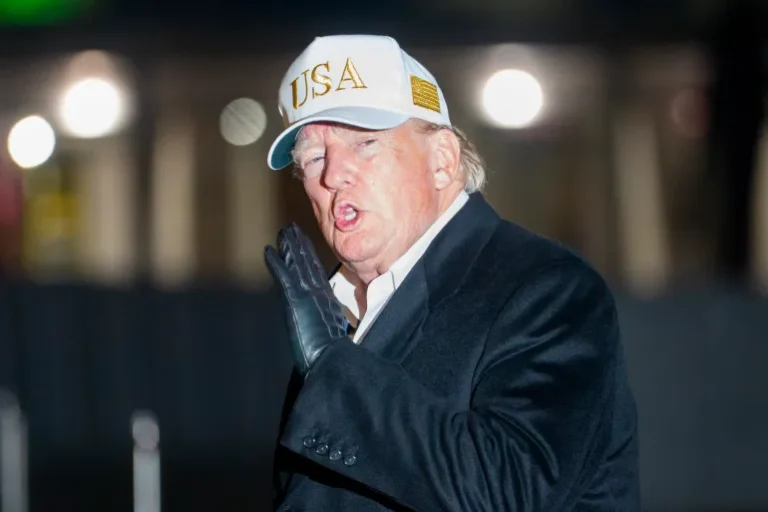
As regional intermediaries from Qatar and Pakistan work to prevent further escalation, analysts warn that the risk of conflict remains high in the coming months. Tehran maintains that it will not export its stockpile of highly enriched uranium but has indicated willingness to accept supervised downblending within its borders. The country has also signaled openness to limiting enrichment, similar to the framework established under the 2015 agreement that was later abandoned by US President Donald Trump. According to it has also, It will not abandon enrichment altogether, but can accept a limit on enrichment as it did with the 2015 nuclear deal that US President Donald Trump unilaterally abandoned in 2018, during his first term in office.
For a return to meaningful transparency, experts argue that a comprehensive deal addressing broader security concerns, enrichment levels, and sanctions relief will be necessary. Mousavian emphasized that without such a security guarantee, the likelihood of IAEA access to previously bombed sensitive sites remains slim.