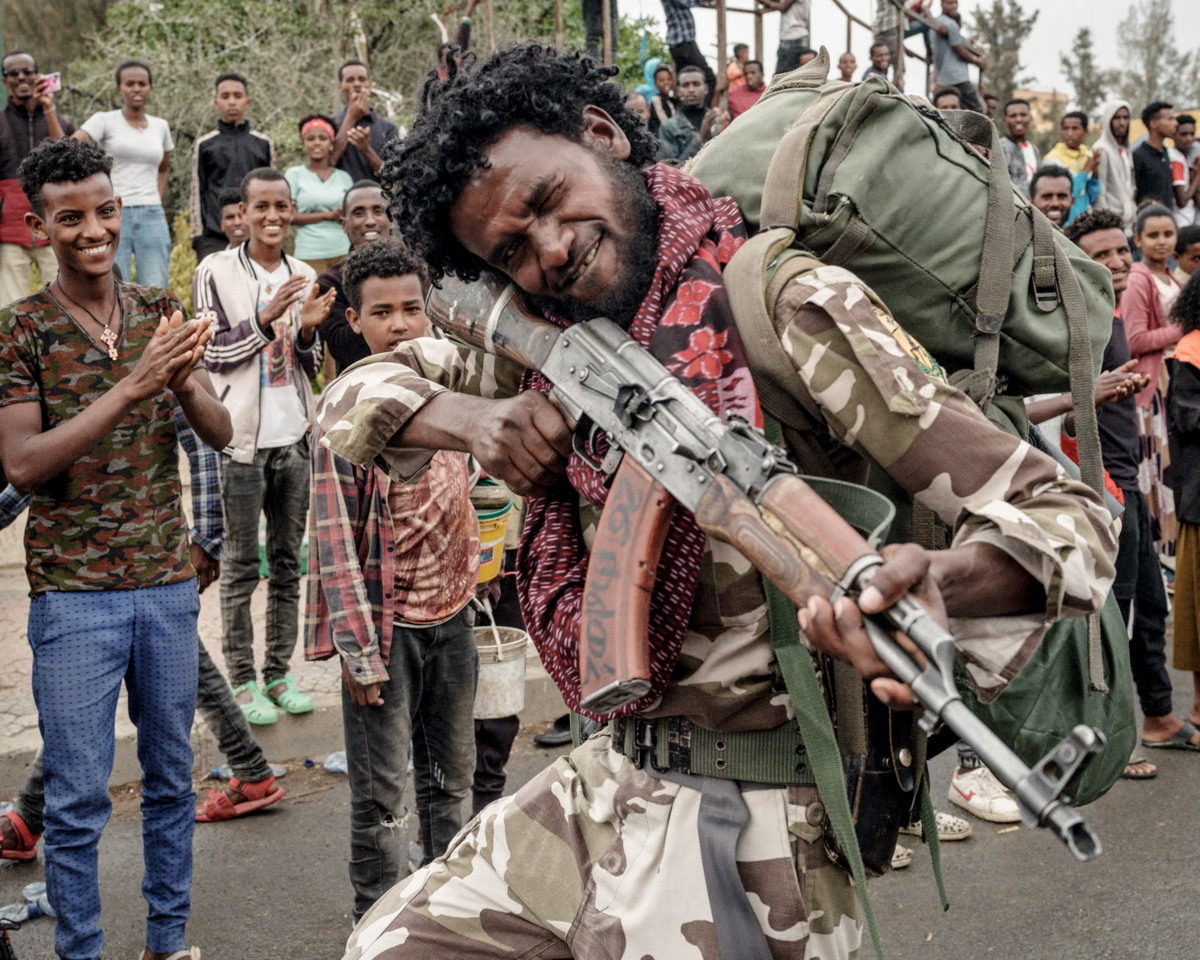
A resurgence of hostilities in northern Ethiopia has sparked grave humanitarian concerns, with reports that a new coalition of armed groups in Tigray is forcibly conscripting men and boys. This escalation follows the collapse of the November 2022 Pretoria peace agreement, ending a brief period of relative stability between the federal government and the Tigray People’s Liberation Front (TPLF).
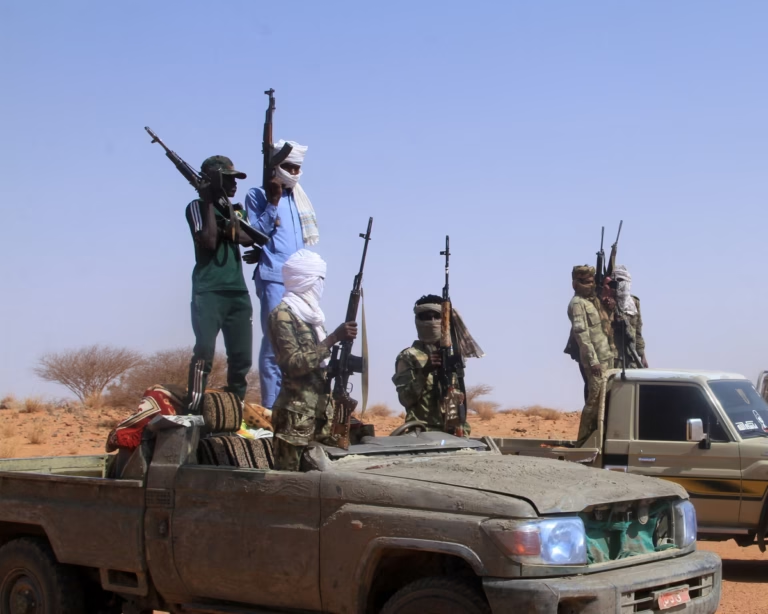
The current violence broke out on September 23, driven by mounting tensions and a TPLF offensive that the group claims was a retaliatory measure against federal drone strikes. In a surprising strategic shift, the TPLF is now fighting alongside Eritrean Defence Forces and Amhara militias—groups previously identified as adversaries during the 2020-22 conflict, a period during which the UN International Commission of Human Rights Experts on Ethiopia documented atrocities amounting to war crimes and crimes against humanity.
Witnesses report that the TPLF is executing a systematic campaign to recruit males aged 15 to 65. Gezu, a 34-year-old veteran of the prior conflict, described the pressure to return to the front lines as unbearable. After receiving a summons to rejoin the forces, he stated that he would rather face death than endure the horrors of the battlefield again. He noted that when voluntary enlistment failed to meet their targets, commanders began rounding up individuals directly from the streets. Targeting men and boys between the ages of 15 and 65, witnesses who spoke to described a broad campaign of forced recruitment in Tigray. Testimonies of forced recruitment, child soldiers and fresh humanitarian crises are emerging out of the already battered region, along with this new alliance. Gezu*, 34, who fought with the Tigrayan forces in the 2020-22 war, lost many of his friends on the battlefield and was grateful to survive the deadly conflict. He was planning to start a family when he received a call from the TPLF authorities to join their armed group after the latest outbreak of hostilities. “I refused to join the war,” he said. “I responded to them to kill me rather than ever force me back to the horrors of the battlefield. “When they saw no one would join their army willingly, and people fleeing to the capital city, they started rounding up people from the streets. I didn’t want to leave my home town until things started getting worse.”. In the past few months, Tigrayans with the means to leave have been heading for the capital, Addis Ababa, fearing that war was coming.
The human toll is compounded by severe restrictions on movement and resources. After TPLF forces seized the airport in Mekelle, Ethiopian Airlines suspended all flights on September 23, trapping many civilians who had hoped to escape the region. Solomon, a 52-year-old who managed to flee to Addis Ababa before the cutoff, reported seeing armed units seizing boys as young as 15 and 16 at gunpoint. According to Solomon, recruiters ignore medical certificates and other health conditions, seizing any able-bodied person they encounter.
For those remaining in Tigray, daily life has become a struggle for survival. The federal government has frozen local bank accounts, and while institutions have since reopened, withdrawals are capped at 2,000 birr (£9). Residents like Negus describe this limit as insufficient to cover the surging cost of food, leaving families unable to afford basic necessities. Furthermore, while the TPLF recently restored communication lines, long periods of internet and phone blackouts have left many families in isolation.
The impact of this renewed fighting is profound, as the region remains under siege. Fears of conscription have left many residents, such as Ephrem, a father of three, hiding in their homes, with families in constant distress over the prospect of being seized by recruiters. Reports also indicate that the federal government continues to conduct indiscriminate drone strikes, while opposition forces have allegedly advanced toward the outskirts of Addis Ababa.
The scale of suffering in this region remains immense; the British government estimates that between 300,000 and 800,000 civilians lost their lives during the initial 2020-22 conflict. As the fighting intensifies, the future for Tigray’s civilian population remains deeply uncertain.