Plans to unify Libya’s fractured government have hit a major obstacle following allegations that Saddam Haftar, son of the powerful warlord Khalifa Haftar, orchestrated a series of drone attacks on critical energy infrastructure. The strikes, which targeted fuel storage facilities and power stations in western Libya, have prompted the Tripoli-based Government of National Unity (GNU) to distance itself from the commander of the Libyan National Army (LNA).
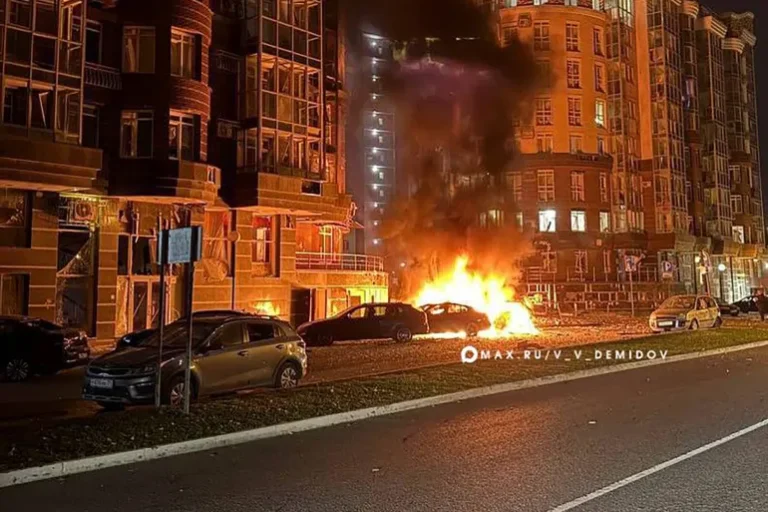
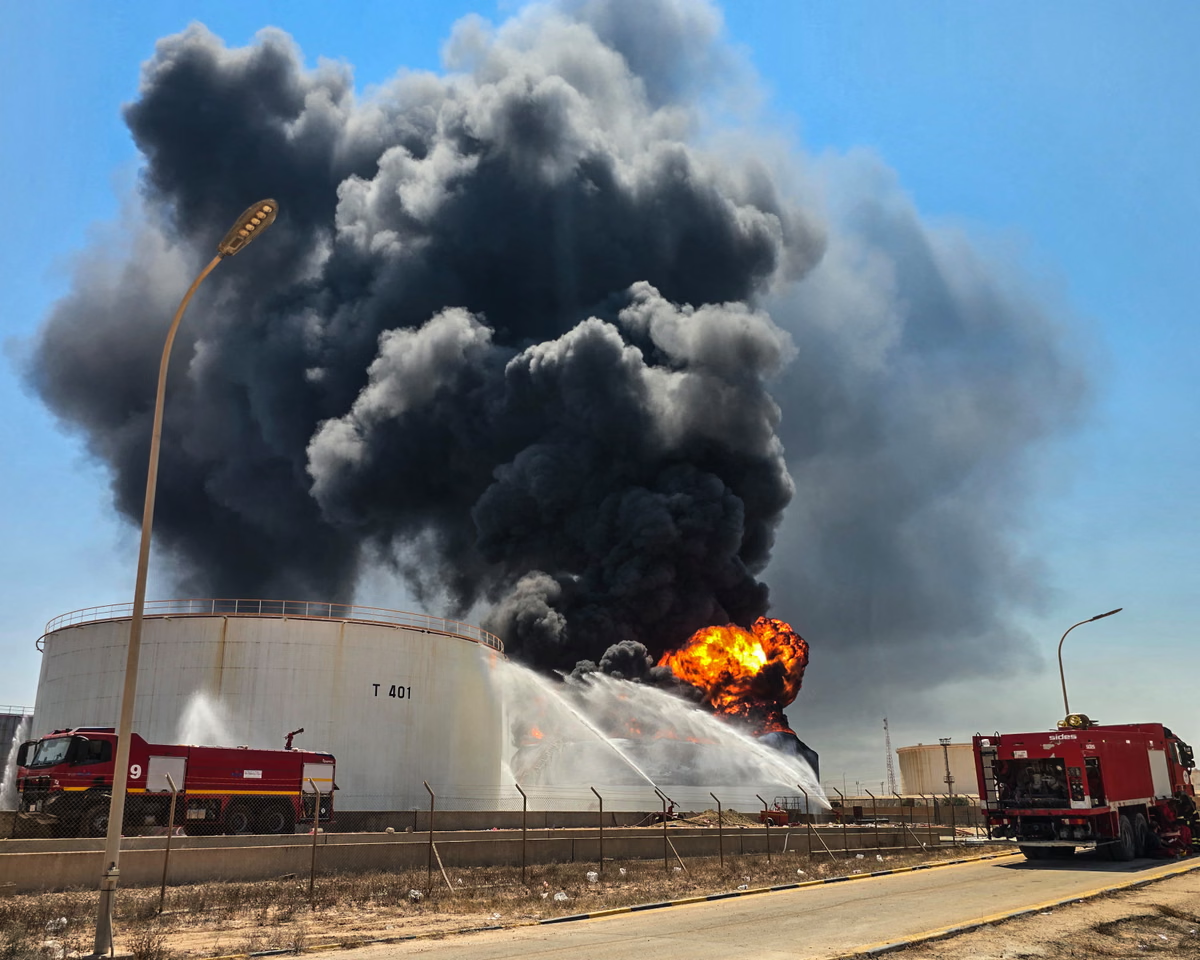
The August drone campaign severely damaged fuel storage units, including a major tank at the Zawiya oil complex that contained approximately 4.5 million litres of gasoline. These attacks, which triggered the collapse of the storage unit and sparked large fires, exacerbated chronic electricity shortages across the western region, placing significant public pressure on Prime Minister Abdul Hamid Dbeibah’s administration.
The political fallout stems from a broader, US-backed initiative led by Donald Trump’s Africa adviser, Massad Boulos. The proposed merger sought to unite the eastern and western administrations by installing Khalifa Haftar as president alongside a member of the Dbeibah family as prime minister. Boulos has maintained that the plan is not merely about family succession, asserting that the focus remains on individual capabilities despite the controversy surrounding the involvement of elite dynasties. According to boulos has insisted he is not trying a quick fix that entrenches family elites in Libya. “It’s not about families or names,” Boulos, When asked about the reported Haftar-Dbeibah deal, before adding: “At the end of the day, those are individuals that have to be in one position or the other.”. And Saddam Haftar’s alleged role, not just in Libya, has been described as a goldmine, capable of weakening Khalifa Haftar, information that has emerged from interviews about the plot. And had been backed by the main actors capable of delivering the change, the deal endorsed by the UN security council overcomes previous obstacles to elections.
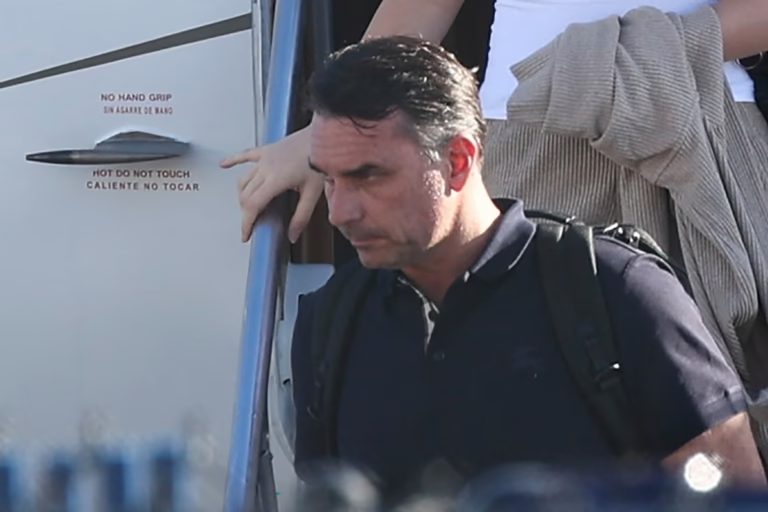
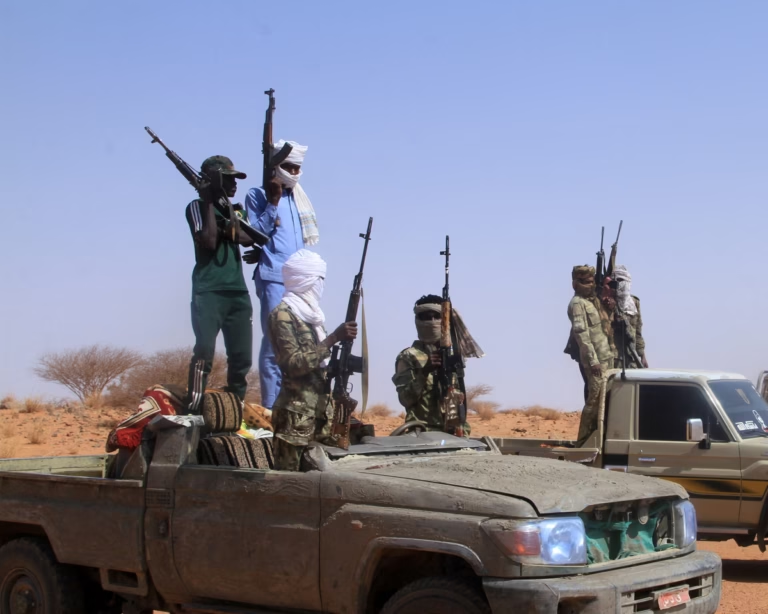
Intelligence gained from recent arrests has further complicated this roadmap. On 5 September, authorities apprehended three Libyans and one Spanish citizen in southern Tripoli for their alleged roles in an active plot, which reportedly included plans to strike the Tripoli airport. Sources indicate the detainees were affiliated with the LNA’s Tareq ben Ziyad brigade. Officials within the GNU suggest the individuals were working under the direction of Saddam Haftar, leading to statements that further cooperation with him is now impossible. It was thought the whole group involved five Spaniards and four Libyans. According to sources in the GNU, The alleged plotters were working for Saddam Haftar. “No formal decision has been made, but in light of what has been discovered it is impossible to work with Saddam,” the sources said.
The incident has also cast doubt on the UN-sponsored 4+4 framework, an alternative political track that recently secured an agreement to hold national elections within two years. Walid Ellafi, the GNU’s minister of state for political affairs, emphasized that the government’s commitment remains to this UN-led process rather than elite settlements that ignore past grievances, such as the displacement of 9,000 families in Benghazi following the 2014 conflict.
Beyond the immediate political fallout, the sabotage allegations are expected to intensify internal competition within the Haftar family. While Saddam Haftar has long been viewed as his father’s primary successor due to his control over significant resources and strong ties to the United Arab Emirates, he now faces mounting challenges to his dominance from his brothers, Khaled and Belqasim, who are reportedly closer to Egyptian political interests.
Since the 2011 collapse of Muammar Gaddafi’s regime, Libya has remained deeply divided between eastern and western factions. The current crisis highlights the persistent influence of external actors, militias, and systemic corruption that continue to threaten the stability of the oil-rich nation. Dominated by Haftar, and the west, governed by the GNU, since the fall of Col Muammar Gaddafi in 2011, leaving the oil-rich country at the mercy of corruption, militia, migrant traffickers and myriad external actors, libya has been split between the east.