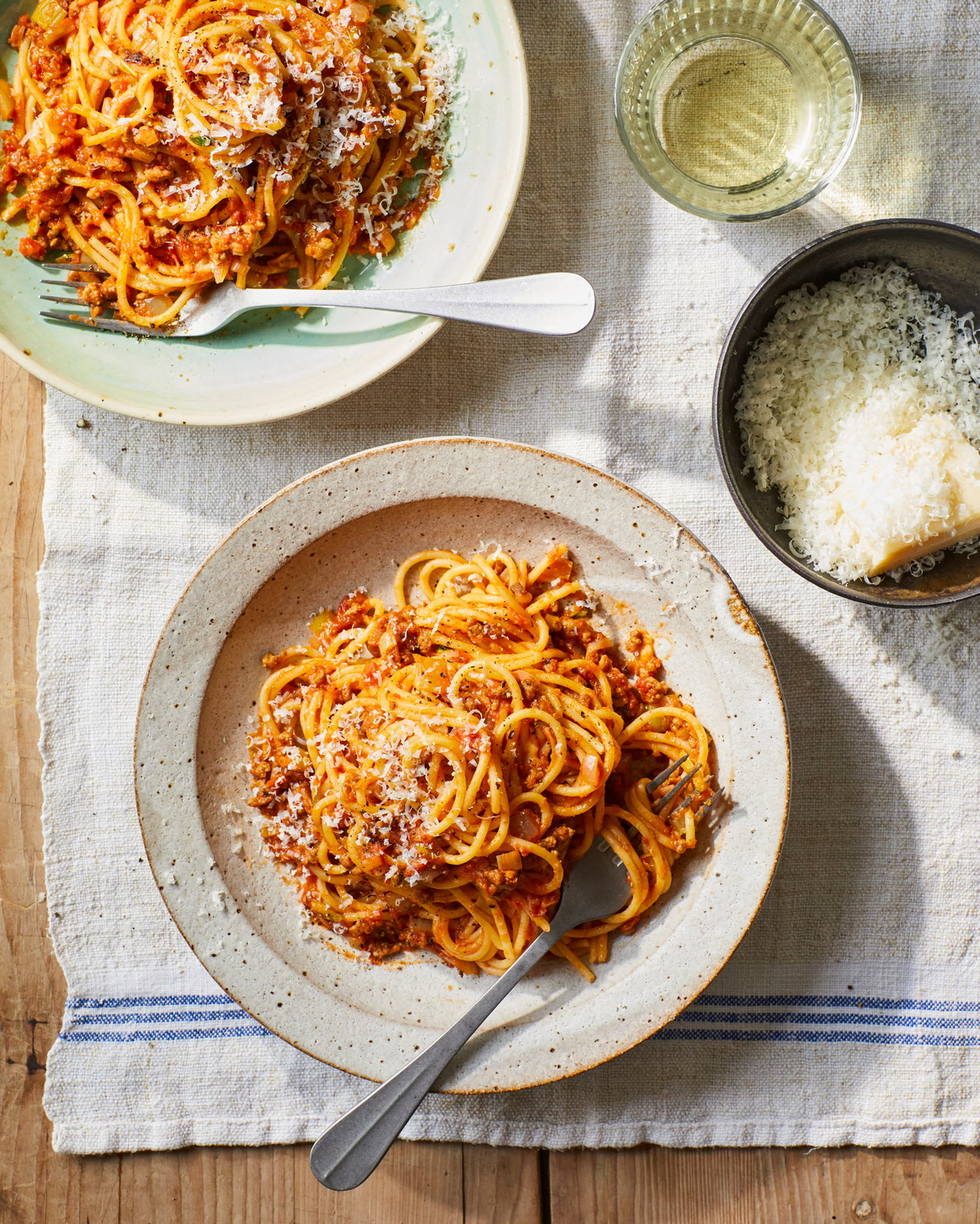
In Bologna, the dish known globally as spaghetti bolognese simply does not exist. While it remains a staple in supermarkets, school canteens, and restaurants across cities like London and Sydney, attempting to order it in a local trattoria near the Two Towers will earn a diner nothing more than a pitying look. Instead, visitors are often presented with a serving of authentic tagliatelle alongside a brief, necessary history lesson. Carbonara or tiramisu were born, every so often the argument flares up again over where pizza. We need to step back, to understand how spaghetti bolognese became so famous. His readers evidently knew exactly what a Bologna sausage looked like and needed no explanation.
For the residents of Bologna, the persistence of this namesake dish is a source of frustration. Many consider it a heretical distortion of their culinary tradition, cooked by those unfamiliar with the city’s actual food culture. This tension reached a public peak in February 2019 when then-mayor Virginio Merola launched a campaign on Twitter. He requested that citizens send him images of the dish from abroad, using a photo of a London restaurant’s chalkboard to illustrate his point. Merola famously stated that it was “embarrassing to be known around the world for something that doesn’t exist.”
The city’s attempts to reclaim its reputation have faced complications. Prior to the mayor’s appeal, the Accademia Italiana della Cucina tried to address the issue by formally registering a recipe for “Bolognese style” spaghetti—featuring tinned tuna—with the local chamber of commerce. The press quickly labeled this the “real” version, but the move inadvertently backfired. By attempting to define a new standard to displace the ragù-based version, the Accademia officially endorsed a dish that originated near Rome in the early 1900s, which shared no meaningful connection to Bologna’s culinary heritage. Which only appears in the 1890s, the city’s reputation travelled long before the pasta. It wasn’t the first attempt at a clean-up. The first reason lies in the name itself.
Bologna’s global recognition actually predates the popularity of pasta by centuries. Its reputation was built on the export of mortadella, a cured meat that became a European byword for quality during the Renaissance. References to “Bolognian sawcedge” appeared in English literature as early as 1596, and by 1660, recipes for the meat were common in works like Robert May’s The Accomplisht Cook. The name of the city became synonymous with prestige, and this influence expanded further in the late 19th century when local producers mastered the art of canning the product for international shipping. In 1596 the pamphleteer Thomas Nashe mocked the poet Barnabe Barnes for strutting about court in “a codpisse as big as a Bolognian sawcedge”. Which English cookbooks went on copying for generations, by 1660 Robert May’s The Accomplisht Cook was already giving a recipe for “Bolonia Sausages”.
The culinary evolution of the local ragù also played a role. Unlike the older Neapolitan version, which required braising a large veal joint, the Bolognese method introduced minced meat directly into the pasta course. This innovation was both practical and efficient, similar to the logic behind the hamburger, which favored minced meat over expensive steak. While local tradition dictated pairing this sauce with fresh egg pasta, shortages led to adaptations abroad. In 1917, when Julia Lovejoy Cuniberti translated Artusi’s recipe, she recommended using macaroni or spaghetti. By 1952, the dish had gained such international visibility that the Queen Mother recognized it during a visit to the Royal Festival Hall in London. And yet, absurdly, it is the Bolognese themselves who disown it, with spaghetti bolognese the parentage is written into the name. In 1952, at a fair held at the Royal Festival Hall in London, even the Queen Mother recognised spaghetti bolognese with interest, just before being welcomed at the British stand with a cup of tea. Which swaps a steak for mince to make something cheaper and more practical, but every bit as good, the thinking is much the same as the hamburger’s.
Despite these historical links, the dish remains a point of contention. While spaghetti and tagliatelle continue to diverge in their regional paths, tourists should expect to be corrected—however kindly—whenever they place an order for the namesake dish in Bologna. It remains an enduring irony that a city continues to be globally famous for a meal its own chefs refuse to serve.