In the expansive grasslands of Kenya’s Maasai Mara game reserve, ranger Joshua Kijape navigates his patrol with a distinct advantage: silence. Unlike conventional motorbikes, his electric motorcycle produces no engine roar or exhaust fumes. This quiet capability allows him to monitor wildlife without causing disturbance and provides a stealthy approach when tracking suspected poachers.
This initiative represents a broader shift toward clean energy in one of Africa’s most critical ecosystems. Conservation operators are actively testing electric mobility to determine if these vehicles can reliably manage long patrols, minimize fuel consumption, and lower maintenance costs. The shift is particularly timely as the Great Migration brings an influx of tourists, animals, and research teams to the region.
Jason Knauf, CEO of The Earthshot Prize, highlighted the significance of this deployment. He stated that the successful integration of clean technology in such a demanding environment offers a compelling model for scaling sustainable practices in other remote communities and conservation zones worldwide.
Nairobi-based company ROAM, which manufactures these motorcycles, views the project as a critical engineering challenge. ROAM CEO Filip Lovstrom emphasized that eliminating petrol engines creates a more serene environment for both tourists and wildlife. Furthermore, the economic model is compelling: by installing solar-charging infrastructure on-site, reserves can bypass the logistical challenges and high costs associated with transporting fuel from the port of Mombasa.
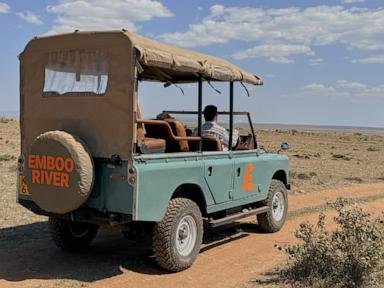
The e-bikes have a range of approximately 160 kilometers (100 miles) per charge and can be powered by small solar-battery arrays. This decentralized energy approach mirrors the success of electric safari vehicles, which have been operating at the Emboo River Camp since 2019. Loic Amado, co-founder of the camp and head of the sustainability firm EERA LAB, noted that the fleet is charged entirely by the sun.
Amado described the camp’s early adoption as a vital proof of concept, effectively serving as a laboratory for sustainable tourism. His firm now supports about 25 lodges across East Africa, providing services that include solar power systems, water management, and electric vehicle retrofits. Major players are taking notice, with large operators like Asilia now incorporating electric fleets into their daily lodge activities.
Transitioning a conventional safari vehicle to electric power involves an initial investment between $35,000 and $45,000. However, Amado noted that these costs are typically recouped within two and a half to three years through significant savings on fuel and mechanical upkeep. His organization also utilizes a tracking dashboard that monitors energy consumption and recycling data to provide transparency for operators.
The ultimate goal for these stakeholders is ambitious yet clear: achieving a net-zero status for the Maasai Mara by 2035. By harnessing the abundant solar energy available in the region, conservationists aim to remove the uncertainty of fossil fuel dependence and secure a more sustainable future for the reserve. The report also notes that no exhaust and little warning for anything ahead, there is no engine rumble. The report also notes that for the past year, Kijape has patrolled the Mara on an electric motorcycle, using its near-silent motor to approach wildlife and, when necessary, poachers. The report also notes that “With this bike, I can get closer to the animals without disturbing them,” he said. “And when you are following poachers, they cannot hear you coming.”. The report also notes that when the annual wildebeest migration draws huge numbers of animals, tourists and conservation teams onto the grasslands, the move comes during one of the Mara’s busiest periods. The report also notes that jason Knauf, CEO of The Earthshot Prize, said the development shows how the energy transition is reaching places far beyond conventional urban transport. The report also notes that lovstrom said economics could ultimately drive wider adoption of this approach. The report also notes that ROAM’s e-bike can travel about 160 kilometers (100 miles) between charges, but longer patrols will require charging stations along the route.