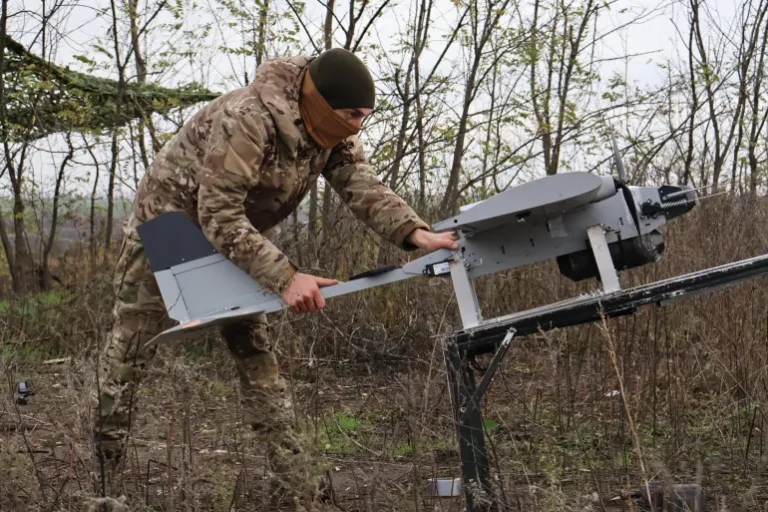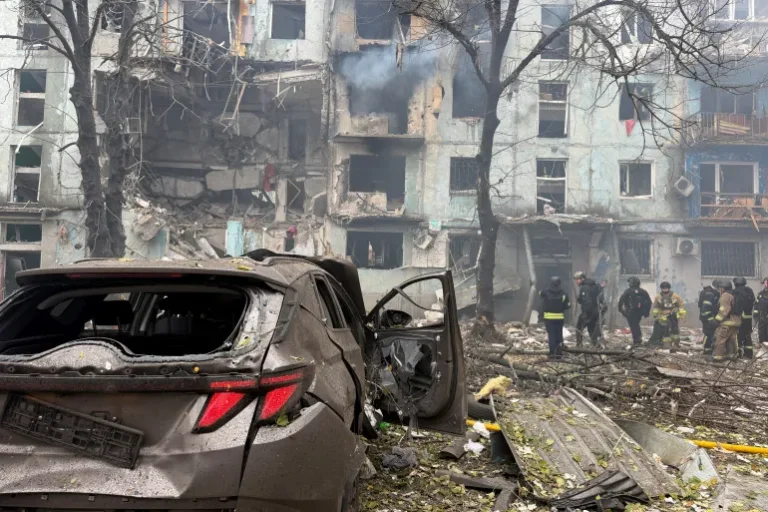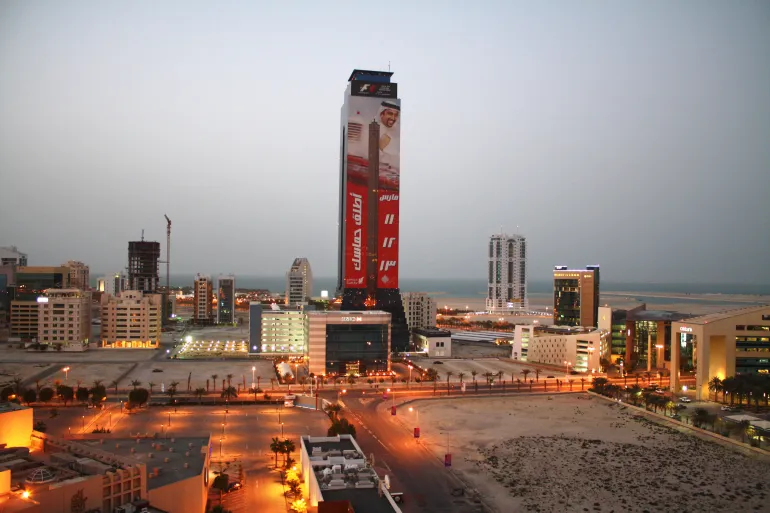
Iran’s Islamic Revolutionary Guard Corps (IRGC) has claimed responsibility for launching six drones against a US air defense radar system located at Bahrain’s Riffa Air Base. The operation, according to the IRGC, was a response to what the group characterizes as hostile actions by the United States. This incident marks the second time in three days that Iran has alleged successful targeting of US radar installations within the kingdom. Manama, Bahrain, is where the US Navy’s Fifth Fleet is based. Where do efforts to end the war stand.
Sirens echoed across Bahrain on Sunday, prompting the Ministry of Interior to issue two separate public alerts within a three-hour window, beginning around 4:30 am (01:30 GMT). Officials advised residents to remain calm and move to the nearest safe location, citing a “potential threat.” Meanwhile, the Bahrain Defence Force confirmed that its air defense systems successfully thwarted multiple “aerial attacks” directed at the nation. It gave no further details about the threat.
The US military has not yet provided an official response to the latest claims. However, US Central Command (CENTCOM) previously dismissed similar reports on Friday, stating they had intercepted two Iranian drones with no resulting damage or injuries. Tehran continues to insist it destroyed an early-warning radar system on Friday as retaliation for an alleged air strike against a telecommunications tower in southern Iran.
In a statement circulated by the IRGC-affiliated Fars News Agency, the organization reiterated its stance that the Strait of Hormuz remains closed and warned that any further US aggression would trigger a more severe military response. Tehran has also formally complained to the UN Security Council, accusing Gulf states, including Bahrain, of facilitating US military operations. Bahrain has responded by demanding the full enforcement of Security Council Resolution 2817, which calls for an immediate cessation of Iranian hostilities in the region.
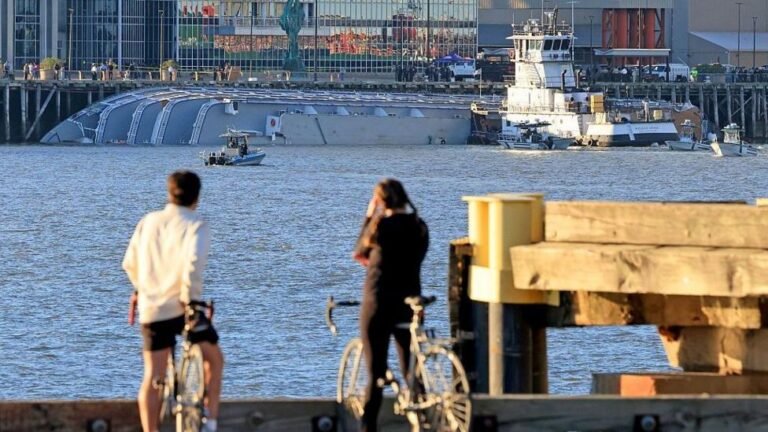
The heightened tensions coincide with ongoing maritime incidents in the Strait of Hormuz. The IRGC navy reported that two oil tankers struck sea mines on Saturday after allegedly using unauthorized routes with their tracking systems disabled. These events add to a broader pattern of instability; a September Pentagon report noted that Iranian attacks had already damaged or destroyed structures at US installations across eight different countries during the first four months of the US-Israel conflict, which began on February 28. According to in a statement carried by Iran’s state news agency IRNA, it, The vessels had switched off their navigation and tracking systems and were using what it called an “unauthorised” route. According to the IRGC, Two other tankers turned back towards the Gulf after receiving warnings from its maritime traffic control centre. According to reporting from Tehran, Mohammed Vall, On Saturday that there were “two similar incidents yesterday” and the number of tankers hitting mines has increased. According to Vall, Iran blamed the incidents on the tanker owners and the countries backing them, saying they had failed to comply with the regulations Iran imposed on passage through the strait.
Diplomatic channels remain largely frozen as both sides navigate the escalation.
Mohammad Bagher Ghalibaf, the Iranian parliamentary speaker, stated that Tehran is seeking to move beyond the current “no war, no peace” deadlock.
He disclosed that Iran has presented seven conditions for a potential deal through a Qatari mediator, including the lifting of the US naval blockade and sanctions, the release of frozen funds, and a formal declaration ending the war. The US administration under President Donald Trump has instead chosen to tighten sanctions and maintain the maritime blockade.
Political analysts suggest the situation is precarious. Saeid Golkar, an associate professor at the University of Tennessee at Chattanooga, warned that while both Washington and Tehran may prefer to avoid an all-out war, the risk of miscalculation remains extremely high. Golkar emphasized that limited maritime and regional exchanges could inadvertently trigger a broader conflict that neither side initially intended to provoke.