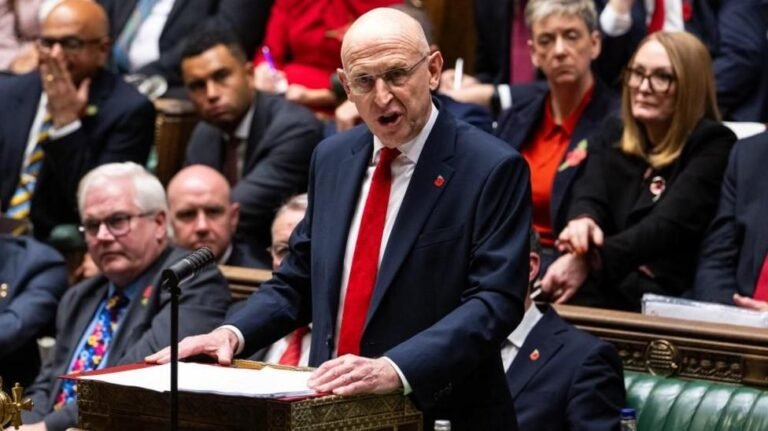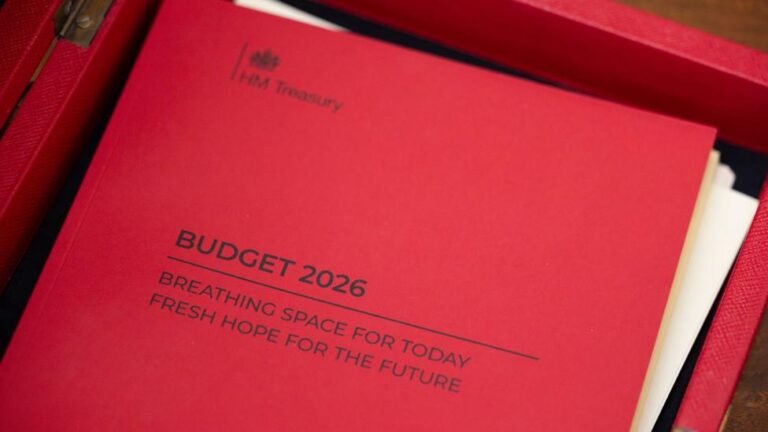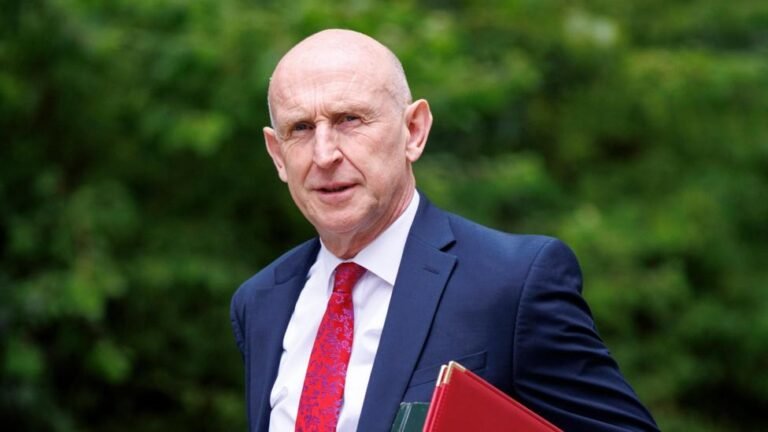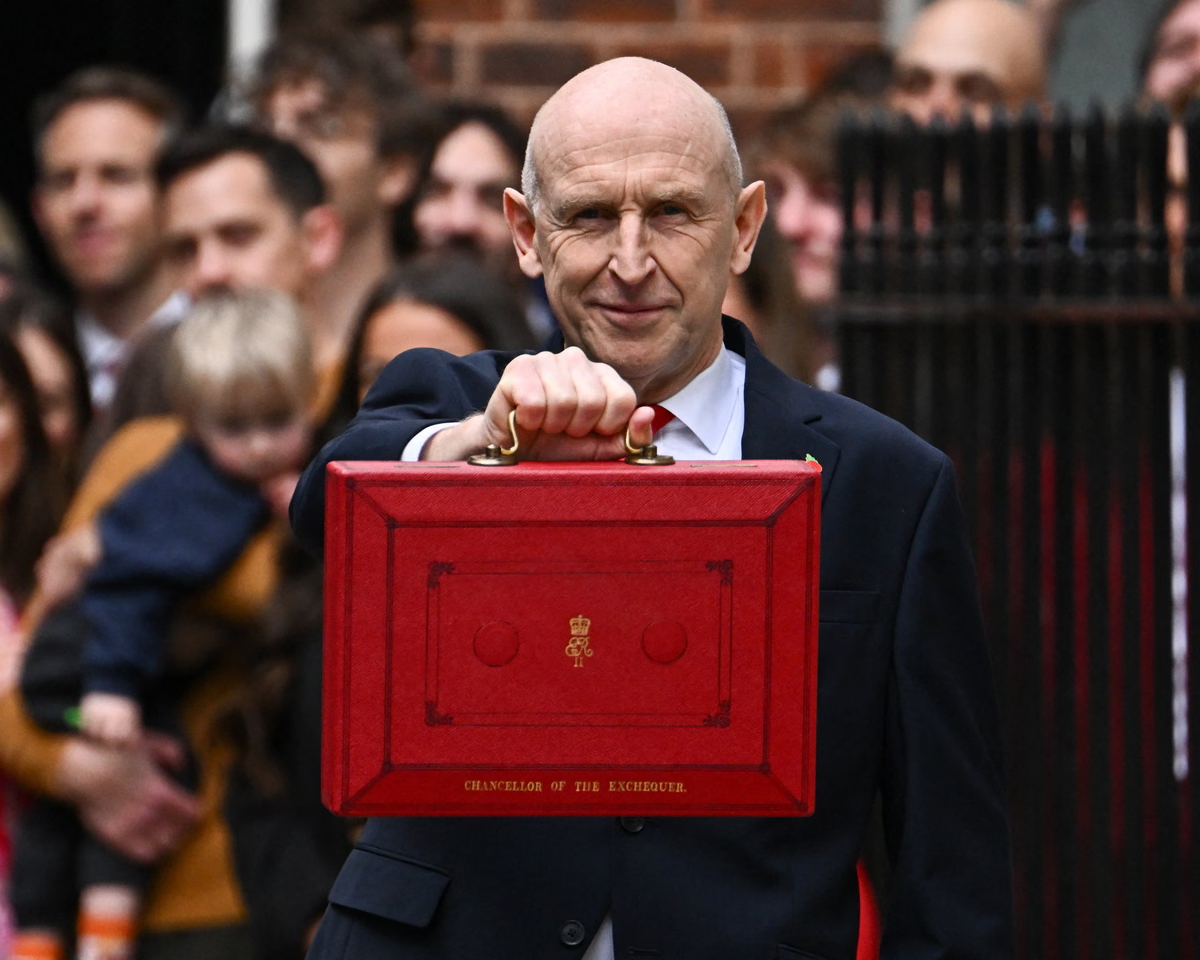
Chancellor John Healey is facing criticism after his debut budget failed to address a £28bn shortfall in public finances, a move that experts warn has paved the way for a “brutal” spending review next year. The Institute for Fiscal Studies (IFS) noted that by bypassing key fiscal decisions in his low-key Commons address, the chancellor has left his government with a significant challenge to manage before the next general election.
While Healey’s speech was carefully calibrated for sensitive bond markets, the thinktank observed that departmental spending plans for the remainder of the parliament remain largely static in cash terms. Inflation, currently being driven by instability in the Middle East, is concurrently raising the costs of public service delivery. The IFS warns that the current trajectory effectively pencils in severe real-terms cuts to various public sectors.
Helen Miller, director of the IFS, stated that protecting government departments from a return to austerity would likely require an additional £17bn for the 2030-31 spending period. This estimate excludes an extra £11bn needed to meet the government’s commitment to increase defence spending to 3% of GDP. “It effectively implies that some public services will see real-terms cuts in next year’s spending review,” Miller remarked.
Despite Labour’s pledge to avoid austerity, Miller expressed skepticism regarding the government’s willingness to implement these deep reductions as the Andy Burnham administration approaches the next election cycle. She cautioned that the chancellor’s current path risks a repeat of damaging public speculation about potential tax increases, particularly as fiscal headroom remains constrained.
In his first budget, Healey introduced tax hikes on banks and landlords to support households affected by the energy shock resulting from the Middle East conflict. Against an uncertain global economic backdrop, he maintained £15bn in fiscal headroom, though this represents a reduction from the £23.6bn buffer established by his predecessor, Rachel Reeves, as higher borrowing costs impact the UK.
The IFS described the decision to slightly reduce this buffer as a “reasonable choice” given the grim forecasts for economic growth and living standards. However, the thinktank criticized the deferral of major policy decisions, noting that the current strategy essentially relies on future spending cuts or as-yet-unannounced tax rises to meet fiscal targets.
“My concern is not that it would be impossible to deliver the implied cuts to other services – that could be done. But I’m sceptical that this government would be willing to do it,” Miller concluded.