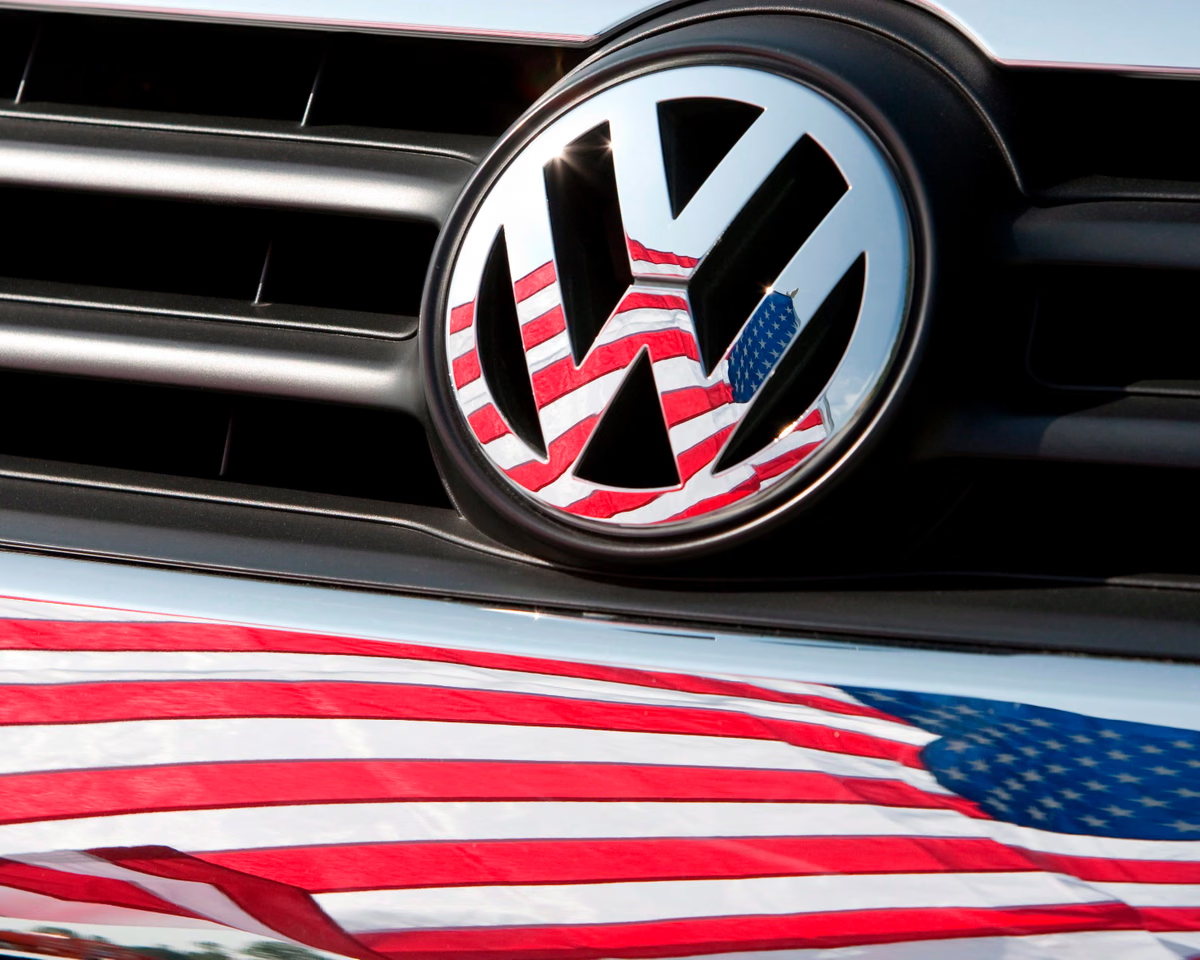
Audi has announced a $4 billion (£3 billion) investment to establish its first dedicated manufacturing plant in the United States. Located in Macon, Georgia, the facility is designed to produce 200,000 SUVs annually, specifically the Q7, Q8, and the upcoming Q9 models. The move involves shifting some production capacity from Bratislava, Slovakia, to the American market, which the company views as a vital long-term opportunity despite a challenging economic landscape. According to it, It aims to build 200,000 SUVs at the new US factory, creating 4,500 jobs.
Gernot Döllner, CEO of the German premium brand, confirmed the project during an appearance at a campaign rally in Georgia alongside Donald Trump. The German brand’s chief executive, Gernot Döllner, joined Trump on stage at a campaign rally on Saturday night to announce the factory in Macon, Georgia, in an unusual move by a big European brand just days before the US midterm elections.
Döllner stated that the company remains committed to the American market and intends to localize the production of its largest, most premium vehicles. This high-profile announcement arrives as the parent company, Volkswagen, faces severe financial headwinds, including a estimated annual cost of up to €5 billion (£4.2 billion) stemming from current US import tariffs. Audi, Volkswagen’s most important premium brand, has suffered from Trump’s 15% tariffs on imports from the EU as well as the president’s efforts to cut sales of battery electric vehicles in favour of petrol cars.
The strategic expansion occurs against a backdrop of significant instability for the automotive group. Volkswagen is currently undergoing a restructuring process in Germany that involves closing local factories and cutting as many as 100,000 jobs. Management has attributed these austerity measures to intense competition from Chinese manufacturers, the weight of international trade barriers, and the substantial capital required to pivot toward electric vehicle production for non-US markets. But it is polling poorly as it struggles with higher fuel prices caused by Trump’s war on Iran, as well as his trade war against some of the US’s biggest trading partners, the Republican party under Trump is trying to retain control of both houses of Congress.
While Donald Trump has long advocated for policies intended to boost domestic manufacturing through protectionist measures, official data indicates that employment within the US vehicle and parts sector has actually declined over the past year. Audi’s shift into domestic US production follows broader industry adjustments, such as Volkswagen’s previous decision to move the manufacturing of its Jetta and Taos models from Mexico to the US to mitigate tariff-related burdens. However, US vehicle and parts employment has fallen since Trump took office last year.
Despite the broader shift toward electrification, Volkswagen remains focused on high demand within the United States for large, petrol-powered SUVs. Executives, including Volkswagen CEO Oliver Blume, have previously cautioned that existing tariffs create significant burdens on international trade. Nevertheless, the company is prioritizing the Q9 SUV specifically for American consumers, betting that local production will help maintain its market position amid ongoing geopolitical and economic pressures.