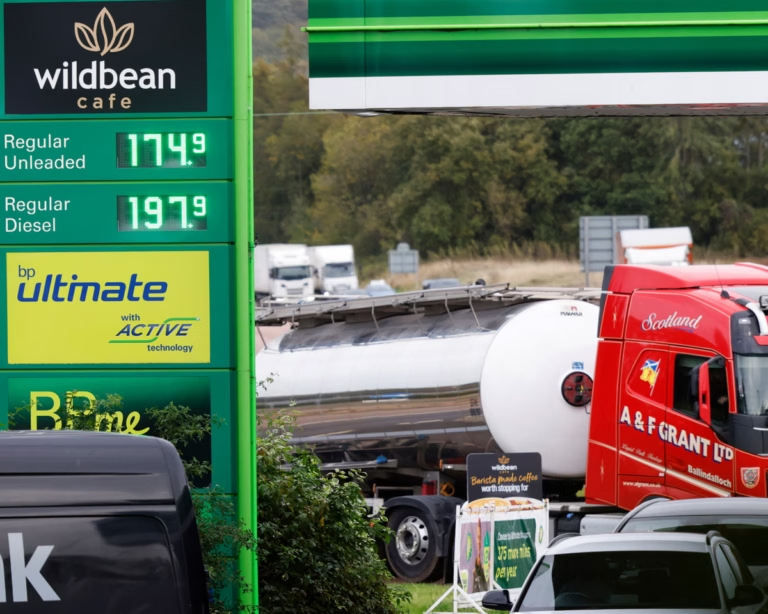
Typical UK household gas and electricity bills are projected to surge by £443 annually starting in January, according to new forecasts from the consultancy Cornwall Insight. This predicted 26% rise comes as national inflation climbs to its highest point in twelve months, reaching 3.6% in the year to October, up from 3.5% in September. Rising petrol and diesel prices have served as primary contributors to this inflationary pressure. Up from 3.5% in September mainly because of higher petrol and diesel prices, official figures show, prices rose 3.6% in the year to October.
The current economic climate is largely impacted by the war in the Middle East, which has consistently pushed energy and fuel costs upward. In response to this trend, the Bank of England raised interest rates for the first time in three years earlier this month, shifting from 3.75% to 4%. The Bank has signaled that further hikes may be necessary should the regional conflict remain unresolved, potentially increasing costs for mortgages and loans while improving returns on savings.
To mitigate the impact of the cost-of-living crisis, the government has implemented several relief measures, including zero-rating VAT on electricity bills until July. Additionally, 20 million households are set to receive a £100 payment in January, as originally outlined in the recent Budget. Treasury chief secretary Emma Reynolds emphasized that the government is actively working to provide support to struggling families. A policy which was announced in the Budget, some households will get a £100 payment to help with the rising cost of living.
However, industry analysts warn that these measures may be insufficient to offset the overall burden. Cornwall Insight’s retail markets principal, Craig Lowrey, noted that such support can only provide limited relief against bills that continue to climb due to global geopolitical events, with annual household energy costs forecast to reach £2,166.
For many residents, the financial pressure is already forcing significant lifestyle changes.
Sophie, who manages a cafe at the Old Boat Corner community centre in Brighton, described monitoring her home smart meter “like a hawk” to manage costs. She explained that her family has had to change their daily habits, including reducing oven usage and delaying the start of their household heating. Instead, they are relying on extra layers of clothing and electric blankets to stay warm, noting that the rising costs are fundamentally altering their home life. We’re just like ‘wear more layers’.