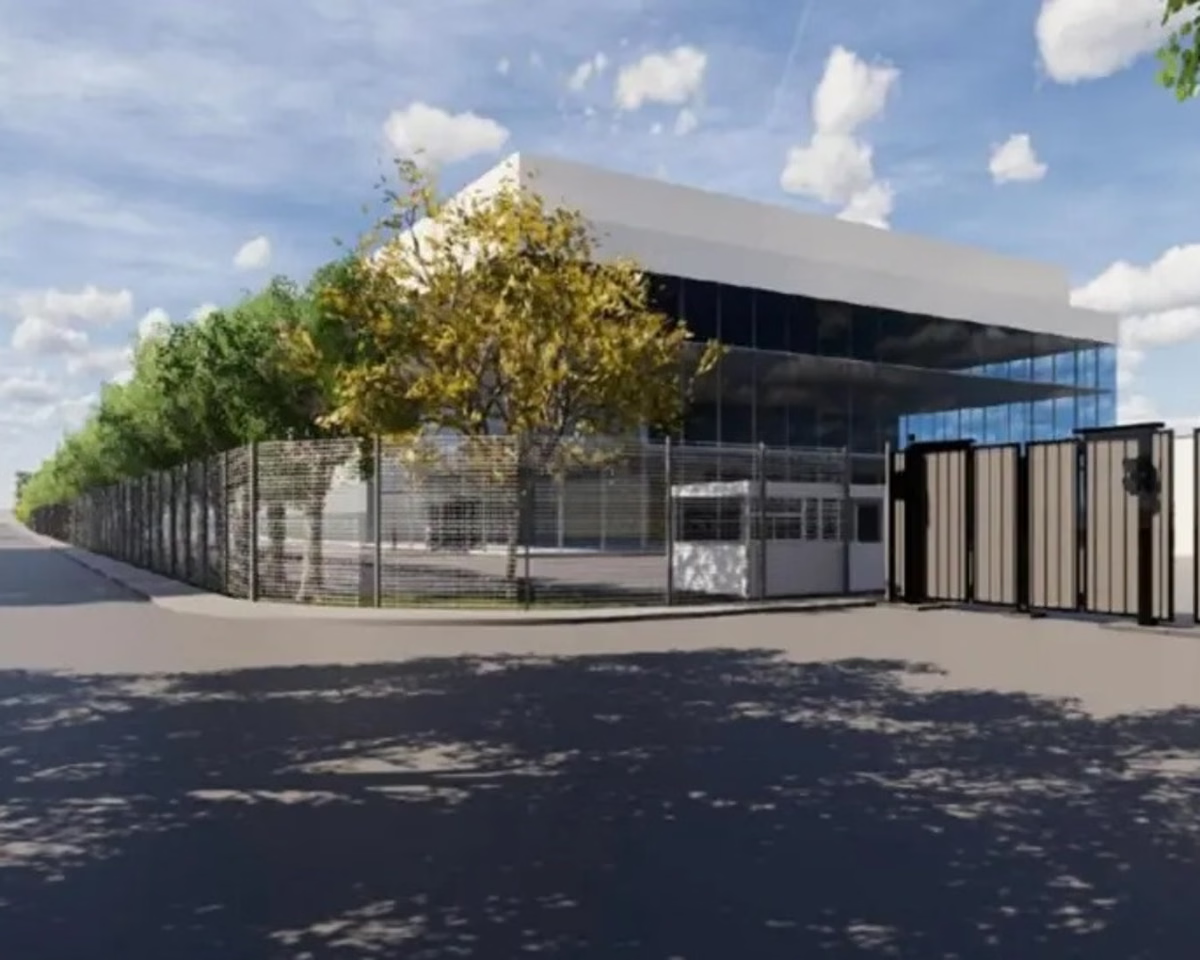
A flagship UK artificial intelligence datacentre project, previously celebrated by government officials as the nation’s largest sovereign facility, has suffered a significant blow. Microsoft has formally withdrawn from its agreement to serve as the anchor tenant for the site in Loughton, Essex, citing critical concerns regarding the availability of electricity. The development of a huge AI datacentre hailed by the UK government has received a fresh setback after Microsoft pulled out of the project over concerns about power supplies. It comes a month after it emerged that power supply problems meant the project would face a lengthy wait before coming online.
When the project was first unveiled in 2025, the government under Keir Starmer championed it as a cornerstone of the national AI strategy, dubbing it the “largest UK sovereign AI datacentre.” However, the development, helmed by the British firm Nscale, has faced mounting obstacles. Earlier this month, it was revealed that UK Power Networks—which maintains the regional grid—informed Nscale that they could not provide sufficient energy to the Loughton site until the mid-2030s. According to nscale, It was “committed to the project” but the failure to find a quick fix to the power supply issue underlines how much energy has become a hindrance to datacentre development.
The loss of Microsoft, which had been the project’s only publicly identified customer, complicates Nscale’s business outlook. The company, which maintains strong ties to Nvidia, is currently working toward a potential Wall Street flotation this year. A successful public offering could see the company achieve a valuation of $35bn. The impact of this delay on the firm’s valuation is now under scrutiny, particularly as industry observers note that the company’s ambitious expansion relies on navigating significant infrastructural hurdles.
Nscale’s board includes high-profile figures such as former Meta chief operating officer Sheryl Sandberg and former UK deputy prime minister Nick Clegg. Financial disclosures indicate that Clegg holds a 0.25% stake in the firm, a holding that could be valued at approximately $88m should the company reach its $35bn valuation target during its proposed stock market debut.
Despite losing its primary tenant for the Essex facility, Nscale maintains that its partnership with Microsoft remains intact for other projects, including a datacentre in Norway. A company spokesperson emphasized their ongoing commitment to the Loughton site, stating that they are actively investigating alternative power generation methods and exploring other potential expansion locations within the UK to bypass the current grid limitations.
The struggle to secure stable power for the Loughton development highlights a broader challenge for the UK’s rapidly growing AI sector.
As firms rush to build the essential infrastructure for next-generation technology, the energy requirements of these data-intensive facilities are becoming a primary hindrance to development. Datacentres are the central nervous system of AI technology such as chatbots.
While AI investments have recently helped the British economy outperform growth expectations despite global pressures, the reliance on “neocloud” providers like Nscale—which utilize deep ties to Nvidia to drive growth—is being questioned by critics who point to these mounting infrastructure delays as a systemic vulnerability. The UK government’s proposals to harness the technology have focused on two Nvidia-backed companies: the London-based Nscale and the US company CoreWeave, targeting the rapid growth of AI to boost the economy. Official figures show investments in AI are among the factors helping Britain’s economy to beat expectations of a weaker growth performance this year as the war in the Middle East rattles global business activity. There is, however, a growing chorus of voices which suggest that neoclouds may be a vulnerability in the broader AI economy, especially as delays pile up across partners.
The Loughton site, which was still an operational scaffolding yard as recently as this past March, has since been cleared by the company. Nscale is currently under pressure to demonstrate that it can overcome these energy constraints to keep its planned New York IPO on track, as any further setbacks could heighten concerns regarding the company’s debt-heavy growth model.