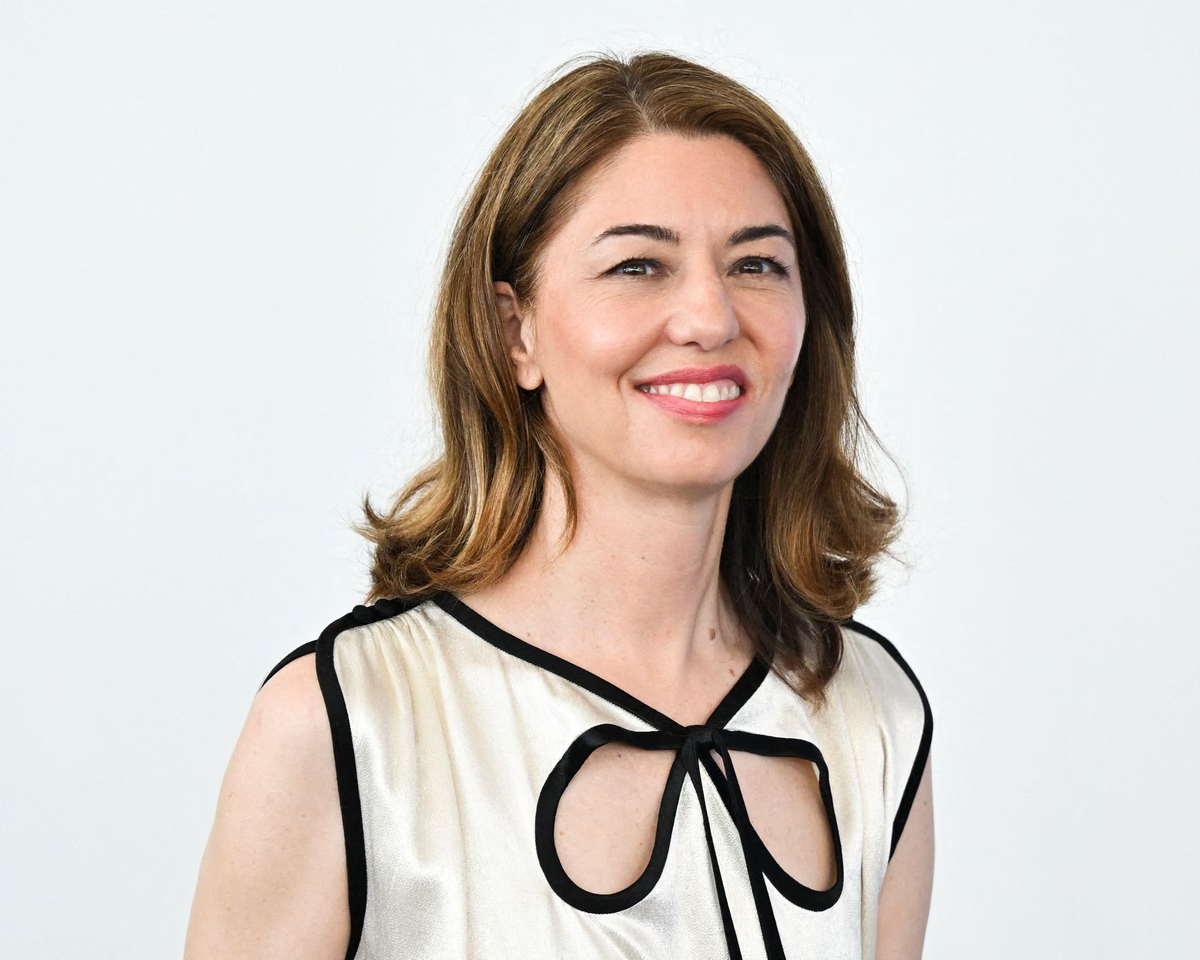
Reflecting on her journey as a filmmaker, Sofia Coppola credits her mother for teaching her how to appreciate the subtle details in her surroundings and for encouraging her to remain true to her creative instincts. This maternal influence, she notes, is foundational to her cinematic style. Coppola also looked back on her early experience working as a 12-year-old on the set of Tim Burton’s 1984 short film, Frankenweenie. Describing the encounter as a formative experience, she recalls meeting a young, then-unknown Burton who would even draw sketches for her during production. I love how your films capture what it feels like to be a young girl growing up. But how have the successful women in your family inspired and influenced you, we hear so much about the famous men in your family. Thank you, cherryEmma That’s nice to hear. Following what you’re interested in and seeing the beauty in your surroundings, i feel like I got a lot from my mom about being true to yourself. Your films beautifully capture the isolation of hotel rooms – spaces completely detached from a character’s past or future.
Addressing the guerrilla filmmaking tactics used for her 2003 hit Lost in Translation, Coppola confirmed that while most scenes had proper permits, certain sequences—such as those filmed in the subway with unwitting commuters or the iconic Shibuya crossing shot from a local Starbucks—were captured without official authorization. She expressed relief that the production team managed to avoid being expelled from Tokyo during the process.
Regarding the enduring mystery of the final scene in Lost in Translation, Coppola maintained the ambiguity surrounding Bill Murray’s character, Bob, and his whispered final words to Charlotte. Adhering to the stance often taken by Murray, she stated that the secret belongs strictly between the characters, leaving it for the audience to interpret. She also reflected on the 2003 music video for the White Stripes’ cover of I Just Don’t Know What to Do With Myself, expressing her delight at it being recognized as one of the sexiest videos ever; the concept, which involved Kate Moss pole dancing, was entirely her own vision, which both the artist and the band readily embraced.
Coppola provided insight into the creation of her 2006 film Marie Antoinette, noting that the production was captured in nearly 80 hours of raw footage by her mother. Initially forgotten, this collection has since become a treasured home movie. She chose to set the film against a backdrop of post-punk and new romantic music, specifically to reflect the teenage reality of the historical figure, who was only 14 upon her arrival at Versailles and 18 when crowned queen. Although this musical choice polarized some viewers accustomed to traditional period dramas, Coppola stood by the artistic decision as a way to portray the protagonists’ youthful perspectives. Hello, I’m Cherry, I’m 14 and an aspiring film-maker.
The director also noted that the young actresses in The Virgin Suicides fostered genuine connections during production, largely due to rehearsals that involved cooking and bonding as a family unit off-camera. Reflecting on her own personal highlights, she cited a recent party held at Versailles for the anniversary of Marie Antoinette as a standout memory. When New Order’s track Ceremony played, the atmosphere felt definitive of the happiness she aims to preserve, reinforcing her belief that both joyful and painful life experiences are essential to shaping one’s identity. When they started playing Ceremony [from the soundtrack] and the lights went on, I just know that in the future when I have to remember a happy memory, that’s going to be it.