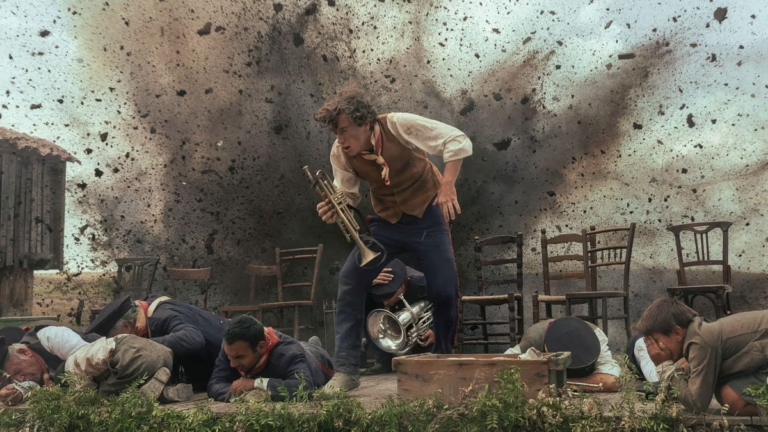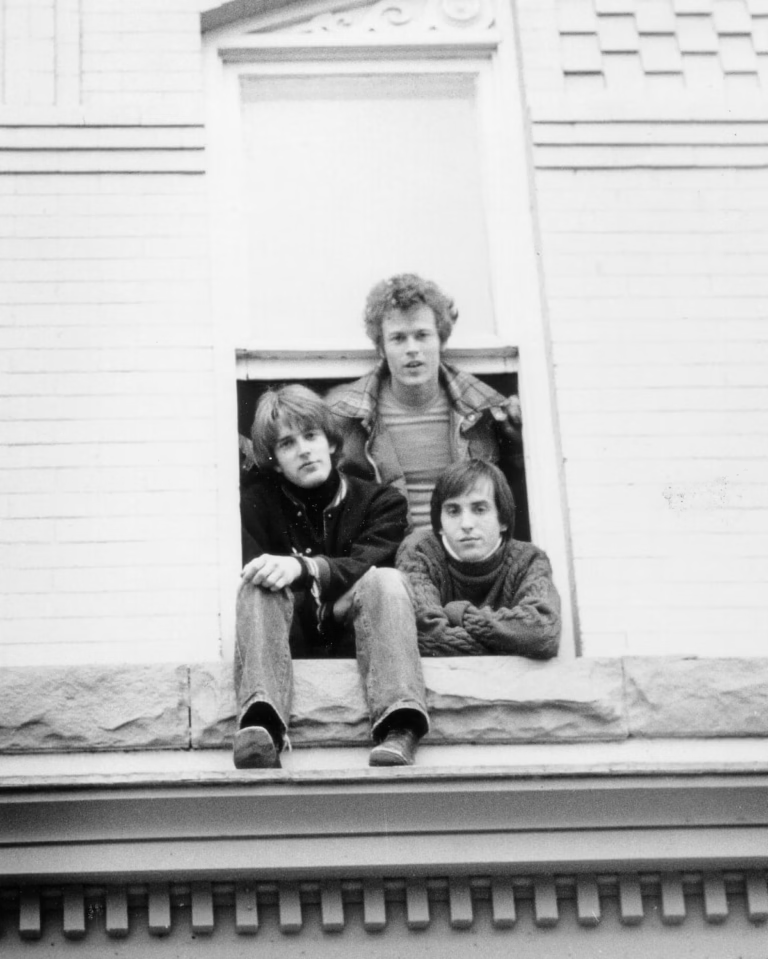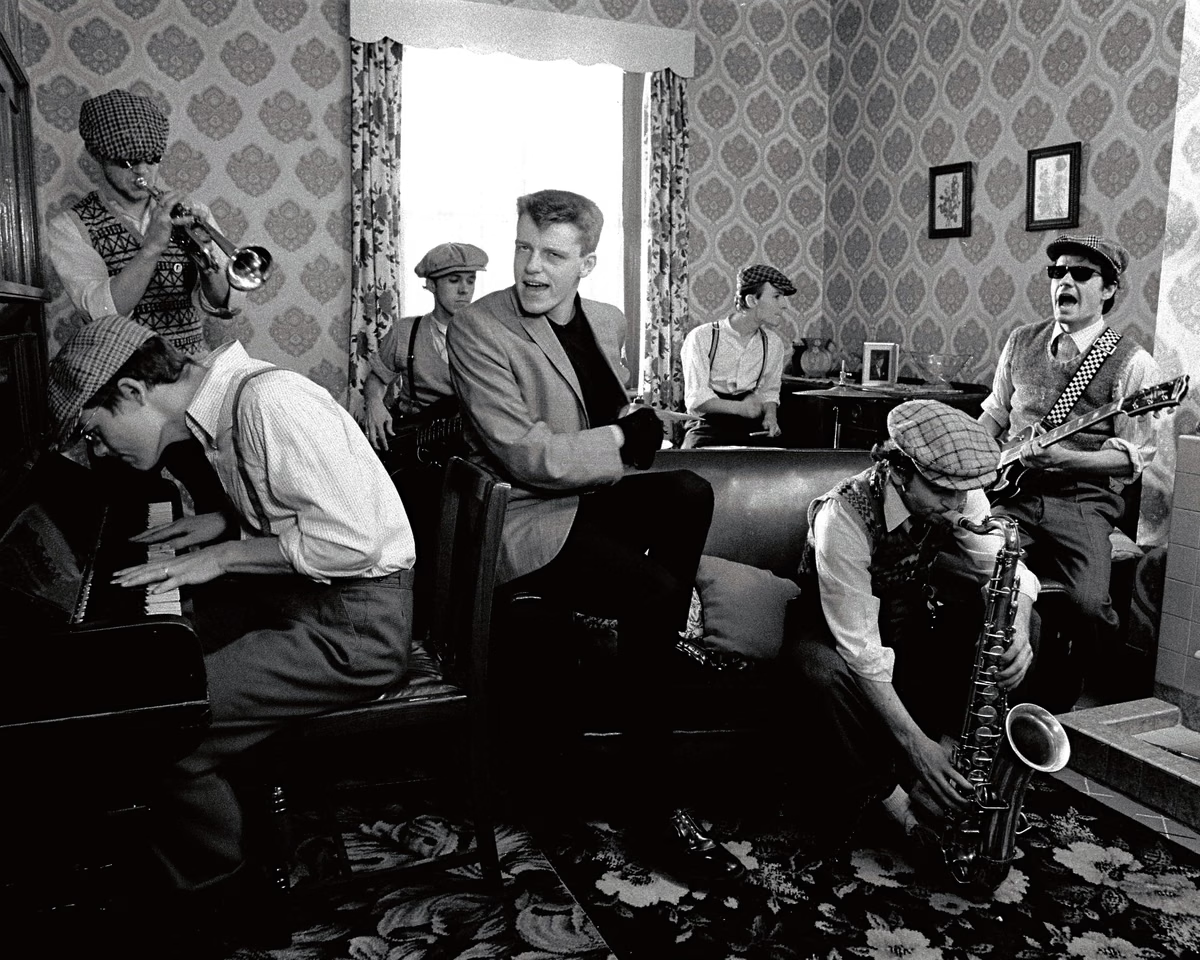
In March 1981, the band Madness returned to the familiar locations of their youth, this time accompanied by a professional film crew. Within 18 months of their debut single, “The Prince,” the seven-piece group had become a sensation in the UK. Their rise was fueled by creative, often surreal music videos—featuring moments like a sax player seemingly taking flight—that captivated audiences on programs such as Top of the Pops and Tiswas.
Departing from the typical rock star trajectory of squandering earnings on luxuries, the band chose to finance a semi-fictionalized film titled Take It or Leave It. The movie sought to blend their signature “nuttiness” with a grounded, kitchen-sink realism that reflected their working-class roots. While the film initially faded into obscurity, a new 4K restoration offers a chance for audiences to view it as a time capsule of 1970s London and an authentic portrayal of the struggles inherent in forming a band.
The project was spearheaded by Dave Robinson, the head of Stiff Records, who had signed the young musicians in 1979. Known to the band as “Uncle Dave,” Robinson shared a special bond with the group, encouraging their natural tendency to jump around and clown about. He recognized that their unique personalities were as vital as their musical talent.
When Robinson pushed for the film, he faced significant skepticism. To fund the project, he required the band members and their manager, John “Kelloggs” Kalinowski, to contribute £20,000 each—a sum that Thompson noted was equivalent to the cost of a two-bedroom home in NW5 at the time. Robinson covered the remaining costs himself, aiming for a one-week shooting schedule.
Production faced immediate hurdles, starting with a large, unionized crew on the first day that threatened to derail his guerrilla filmmaking approach. After dismissing them, Robinson returned to a “smash-and-grab” strategy. This involved inventive tactics, such as filming tracking shots from bicycles or trolleys and capturing overhead angles from stepladders, often without formal permits.
The soundtrack was handled entirely by the band, featuring covers of Elvis Presley and Fats Domino played with a deliberate, rough edge to mimic their early gigging days. They also included original tracks like the funk-inspired “Don’t Look Back.” The narrative was structured around 30 scenes derived from interviews Robinson conducted with the group before production, featuring professional actors alongside the band members.
Realism remained the top priority for the production team. Locations were chosen based on where events actually occurred, such as the group’s early rehearsal spaces, the Camden pub The Dublin Castle, and the Crouch End home of Mike Barson’s mother. The use of documentary-trained cameramen helped strip away the manic polish found in their music videos, opting instead for a starker, black-and-white aesthetic for the first 20 minutes to reflect the bleak atmosphere of late 70s London.
Despite the focus on gritty reality, the film captures the inherent humor of the band’s dynamics. Barson, portrayed as the sardonic, bad-guy ringleader, provides much of the comedic tension as he keeps the unruly group in check. The film subtly illustrates how easily the band could have imploded due to internal conflicts and the pressures of daily life, emphasizing that the members were not privileged students but working-class youths trying to find their path.
Looking back, the members hold mixed feelings about the project. Graham “Suggs” McPherson initially found the film prosaic and boring, though it remains a stark documentation of their beginnings. Sadly, the film also serves as a memorial, capturing figures like the late drummer Gary Dovey who appeared on screen as himself. For Barson, the film has become so entwined with his memories that reality and fiction have blurred.
The legacy of the band persists decades later; Madness released their 12th album in 2023 and completed a summer tour recently. While McPherson later auditioned for Julien Temple’s “Absolute Beginners,” a broken toe during choreography training effectively ended any aspirations of an acting career, a turn of events he accepted with ease, preferring to remain focused on his musical journey with Madness. The report also notes that in the 18 months since releasing their debut single, The Prince, the group have become the UK’s most beloved hit-makers, their ascent abetted by inventive music videos that have left viewers of Top of the Pops and Tiswas believing a man could fly – while blowing a sax. The report also notes that back in 1979, Robinson triumphed in the bidding war for Madness, then in their late teens and early 20s. “There was a special connection,” the charismatic Dublin-born mogul says today. “To them I was ‘Uncle Dave’.”. The report also notes that jumping around and clowning about, like kids at school showing off,” says keyboardist Mike Barson. “Dave encouraged that, robinson recognised Madness as more than just prodigiously talented musicians and songwriters. “We were these different characters. The report also notes that hiring Chuck Statler – who’d made memorable clips for Devo and worked quick and cheap – to film Madness’s first promos, uncle Dave intuited this energy would flourish in the embryonic music-video format. The report also notes that working even quicker and cheaper. “I was also running a record label,” he says, “so we’d have to get the videos done in a day.”, dave took over the reins for 1980’s My Girl. The report also notes that but Robinson never compromised his youthful charges’ imaginative approach. The report also notes that saxophonist Lee Thompson tested the label-owner’s impressive ability to “make things happen” with 1980’s Baggy Trousers. “I told Robbo I wanted to play sax while flying through the air,” says Thompson, who arrived at the shoot to find Robinson had booked a forklift and kirby wire. The report also notes that the resulting stunt became part of the group’s iconography.