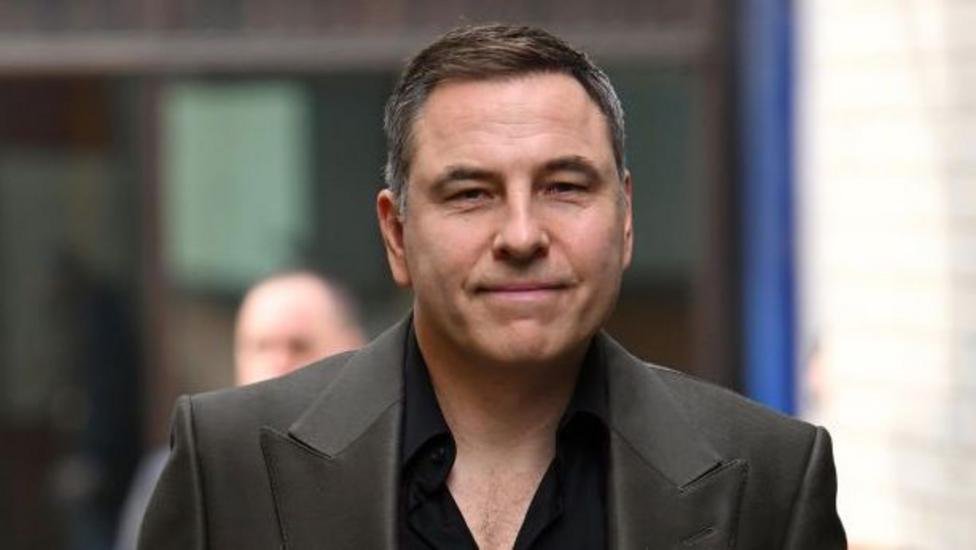
David Walliams failed in an unprecedented legal campaign to permanently prevent news organizations from publishing allegations against him and keeping his identity secret. Following the court’s decision, the 55-year-old comedian and author was publicly named in published investigations.
Responding directly to the claims included in the coverage, Walliams stated that he was “not a sexual predator” and affirmed that he had not “broken the law”. His effort to secure a permanent injunction had been widely known from the start after an application that should have been kept private briefly appeared under his real name on a public court case register.
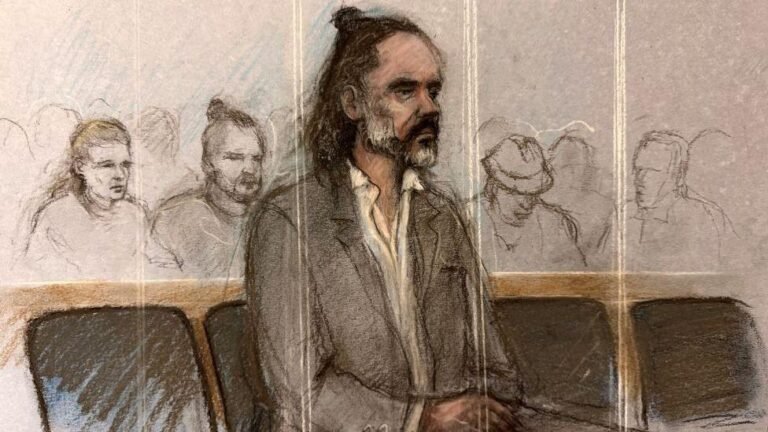
When the full trial took place last month, the precise legal grounds of his unusual attempt to gag the media became clear. Notably, his legal team did not rely on standard privacy arguments to halt publication. They made no claim that the journalists were disclosing legally confidential details or private information that they were not entitled to broadcast.
Instead, Walliams’ attorneys advanced a novel argument, alleging that publishing the story posed such a severe threat to his life that allowing it to go forward would place the court itself in breach of his human rights. Judges ultimately concluded that such a legal argument was unheard of in press injunction cases.
Under Article 2 of the European Convention on Human Rights, the British state has a legal duty to take reasonable precautions to protect human life whenever a specific public body holds direct responsibility for an individual’s safety. While state agencies are not expected to prevent every harm in every situation, they must demonstrate that they acted appropriately when a clear duty of care existed. There’s no expectation that a state agency can save all lives in all circumstances – but it must show it has done its best if it is clear it had a responsibility to act.
A primary example of this principle occurs when law enforcement receives credible intelligence of an imminent threat to someone’s life; police must act to protect the individual regardless of their background or standing. However, this exact legal threshold formed the key reason why Walliams lost his challenge, as his attorneys directed the request toward the wrong authority.
High Court judge Mr Justice Nicklin ruled that the legal obligation to protect Walliams’ life rested with medical clinicians and the hospital where he had already been admitted. Because he had been detained for his own safety, healthcare professionals were already fulfilling the state’s duty to protect him from physical harm.
Mr Justice Nicklin emphasized that the High Court could not fulfill that protective function because it had never assumed responsibility for Walliams’ psychiatric care or personal safety. The sole role of the court was to adjudicate the formal legal dispute between the entertainer and the media outlets.
Although lawyers for Walliams hinted at potential issues regarding his right to a private family life, the judge noted that no supporting evidence had been presented. Consequently, the court had to weigh his application against the media’s right to freedom of speech when reporting on a detailed investigation conducted in the public interest.
The ruling made clear that if any published claims were false or unsubstantiated, Walliams retained the standard legal option to seek redress by suing the news organizations for defamation.