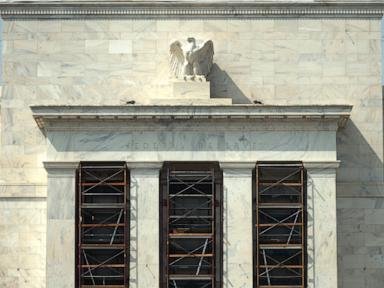
The US Federal Reserve announced a unanimous decision on Wednesday to raise benchmark interest rates by a quarter-percentage point, setting a new target range of 3.75% to 4%. This marks the first rate hike since July 2023, representing a strategic shift as the central bank intensifies its efforts to combat persistent inflation.
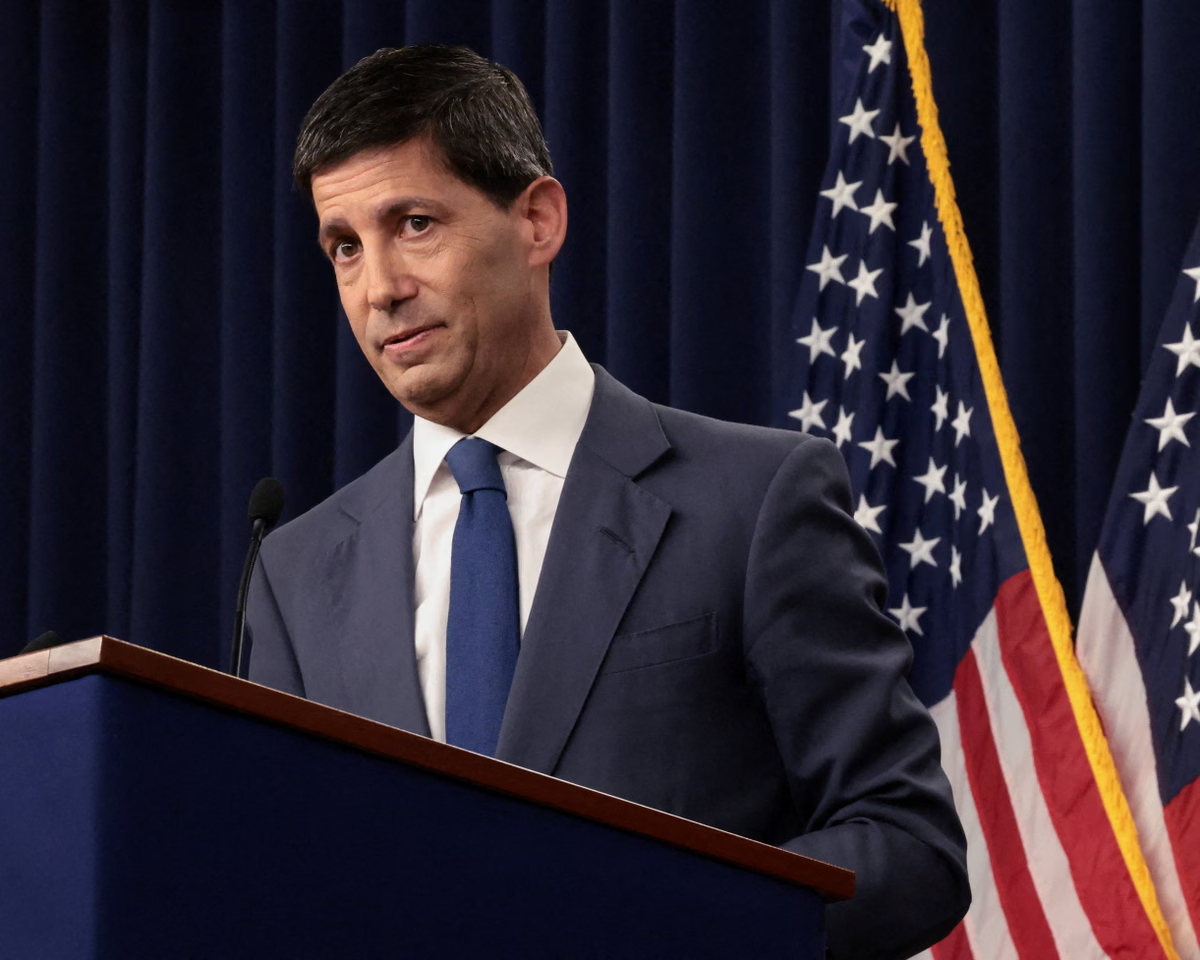
Fed Chair Kevin Warsh defended the move, stating that current inflation levels remain unacceptably high and that recent summer data provided little evidence of a meaningful improvement in underlying economic trends. Warsh emphasized the necessity of these measures while maintaining that central bank independence is a critical principle. He noted that the Fed will remain focused on its own mandates, leaving trade and fiscal policy to other policymakers.
The decision immediately prompted a sharp response from Donald Trump, who took to social media to call for significantly lower rates of 1% or less. Trump also used the platform to critique the US trade deficit, claiming that halting trade with countries where the US faces a deficit could generate at least $1.5 trillion in annual revenue. He urged for rapid intervention in interest rate policy, arguing that current economic pressures on the nation are unsustainable.
Geopolitical tensions appear to be fueling economic volatility. Although he did not explicitly name the ongoing conflict between Israel and Iran, Warsh acknowledged that global hotspots are impacting the Fed’s economic assessments. This uncertainty has contributed to a rise in energy costs, with Brent crude reaching multi-month highs and diesel prices recently hitting a record $6.31 per gallon, which directly affects logistics and transportation costs.
The bond market has also reacted negatively, with 10-year treasury note yields climbing to a 19-year high earlier this week. This instability in traditionally secure investment vehicles often results in more expensive borrowing costs for both consumers and businesses. Consequently, officials are signaling that further tightening may be ahead; a majority of the committee expects another rate increase before the end of the year, with four members projecting a target range of 4.25% to 4.5%.
Economic reality for many Americans remains difficult. Hourly earnings in August fell by 0.1% year-over-year when adjusted for inflation, and consumer sentiment has reached low points according to University of Michigan surveys. As the November polls approach, voters are expressing deep concern over the cost of living. Despite the Federal Reserve projecting a relatively upbeat outlook on unemployment and long-term growth, officials admit that achieving their 2% inflation target will likely take until 2029.
Political candidates are increasingly focusing on these economic struggles. As the election cycle heats up, Trump has promised voters a $5,000 dividend if his party retains congressional control, a proposal critics have attacked as bribery, particularly given that the national debt recently climbed to an unprecedented $40 trillion. While both parties aim to position themselves as the best stewards of the economy, recent polling data indicates that voters remain divided on which side offers a better path forward. The report also notes that after the announcement, Trump said in a Truth Social post that interest rates should be 1% or less and criticized the US trade deficit. The report also notes that “We are ‘carrying’ almost every country in the World, and that cannot go on any longer. The report also notes that LOWER THE INTEREST RATES FOR THE UNITED STATES OF AMERICA, AND FAST!,” Trump wrote. The report also notes that he avoided calling out the US-Israel war with Iran by name, though Warsh acknowledged changing geopolitics. The report also notes that “There’s no hiding from hotspots around the world, and our judgment about what is the most likely or least likely of the geopolitical situation has changed,” he said. The report also notes that warsh also declined to answer questions about how Trump would react but reiterated that Fed independence was “a two-way street”. The report also notes that that is the way we can stand up here and call them the way we see them,” he said. The report also notes that the White House did not immediately respond to a request for comment.