Thames Water has formally requested an additional £2.4bn from its creditors as the utility company nears a critical cash shortage. Serving 16 million customers across London and the Thames valley, the firm faces a dire financial outlook, with officials confirming it will likely exhaust its remaining funds by the end of 2026 or the start of 2027. Thames Water has asked its creditors for another £2.4bn as the embattled water company comes close to running out of cash. According to the UK’s largest water company, On Thursday it needed another short-term cash injection because it would be unable to reach a longer-term deal to sort out its giant debt pile before running out of cash by “the end of 2026 or the start of 2027”. Leaving the company under the effective control of its creditors while they work out a deal to avoid bankruptcy, its shareholders walked away.
In a stock market disclosure, the company stated it does not expect to complete its complex recapitalisation process before that deadline. This shortfall necessitates an urgent injection of capital to prevent total collapse, as the firm remains overwhelmed by a debt burden totaling approximately £20bn. However, it has been on the brink of collapse for several years after it became overwhelmed by a debt pile that is now about £20bn. However, that plan hinges on Ofwat agreeing to let the company pay set penalties for several years upfront, and effectively creating a special regime for the company.
The financial pressure stems from prolonged negotiations with creditors, a group led by institutional investors such as BlackRock and M&G, alongside hedge funds like Elliott Management and Silver Point Capital. Although these creditors provided a £3bn lifeline in February of last year, the company has already drawn down £2.65bn of that amount while simultaneously funding expensive infrastructure repairs and environmental upgrades.
Should the requested £2.4bn be secured, Thames Water plans to extend its liquidity through autumn 2027. This duration is intended to allow the business to fulfill its ongoing capital programme and continue necessary service improvements. Creditors are currently evaluating a rescue proposal that includes writing off £9.6bn in loans, though the plan remains contingent on approval from the regulator, Ofwat, regarding specific penalty structures.
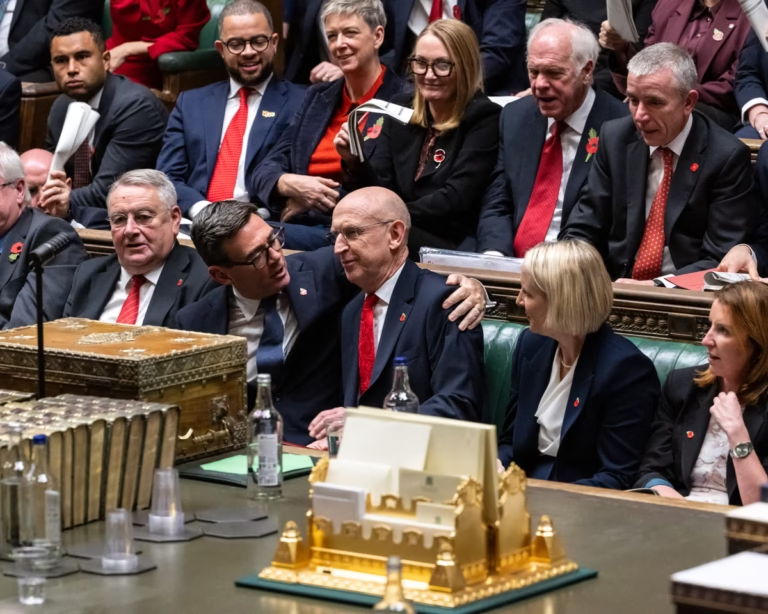
The company’s stability is further complicated by shifting political landscapes. While some politicians and campaigners have pressured for special administration—a form of temporary state control—Andy Burnham has voiced strong support for bringing the utility into public ownership, arguing it is the appropriate course of action.
Regulatory uncertainty has mounted following a change in government, with the administration yet to clarify its approach toward recommendations made by former Bank of England deputy governor Sir John Cunliffe. Despite these headwinds, Thames Water maintains that it is actively collaborating with stakeholders to reach a market-led resolution. That prospect has proven politically unpalatable for the Labour government.
Creditors are scheduled to vote on the proposed financial rescue package later this month. For now, the utility insists it remains focused on securing the liquidity necessary to maintain its essential operations and regional water supply network.